Trees Can Talk to Each Other Underground
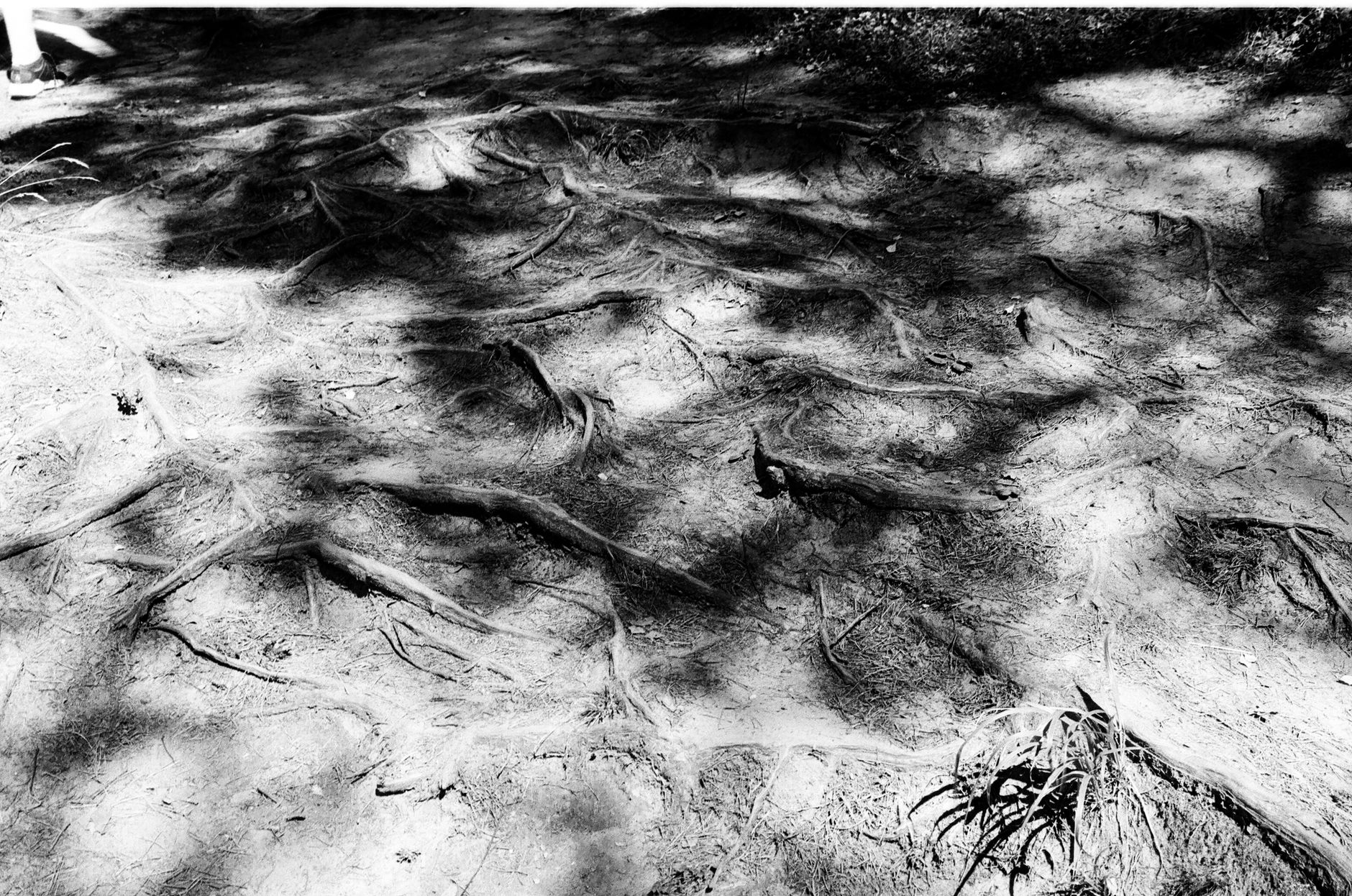
Beneath the forest floor, trees are connected by a vast network of fungal threads called mycorrhizal networks. These fungi attach to tree roots and form a living conduit between different trees, sometimes spanning several acres. Through this underground system, trees exchange nutrients, water, and chemical signals. A mother tree can recognize her own seedlings and send them more resources than she sends to unrelated saplings. When a tree is attacked by insects, it sends warning signals through the network, triggering neighboring trees to boost their own defensive chemicals before the pests even reach them. Scientists have documented trees sharing carbon and nitrogen across the network, with some species even appearing to support weaker or sick neighbors. The largest organism on Earth, a honey fungus in Oregon, is actually this type of mycorrhizal network spanning over 2,200 acres. This discovery has fundamentally changed how we understand forests, revealing them not as collections of individual competitors but as cooperative communities where trees actively communicate and support one another for collective survival.