HomeCategoriesDaily FeedBlogAboutContactShare Facts
Good to know facts
Back to Categories

Category

Good to know facts

“Good to know facts” refers to a broad category of concise, universally interesting pieces of information that are practical, surprising, or enlightening. They span multiple fields science, nature, history, everyday life and are chosen because they enrich general knowledge, spark curiosity, or offer useful insights without requiring specialized expertise.”

22 facts

Showing 1–8 of 22 facts

Octopuses Have Nine Brains
Good to know facts
#octopus#neuroscience#marine biology
Octopuses Have Nine Brains

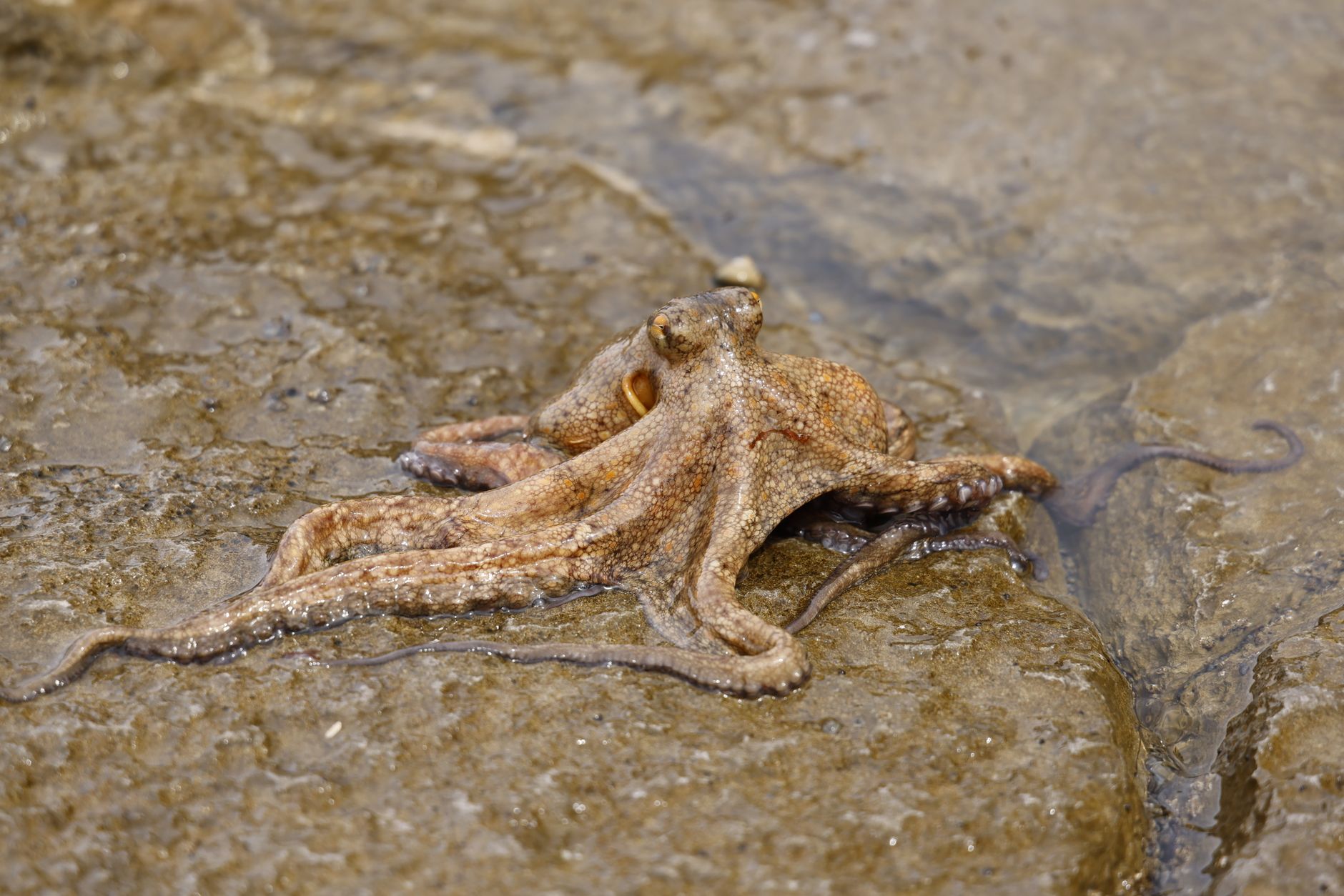
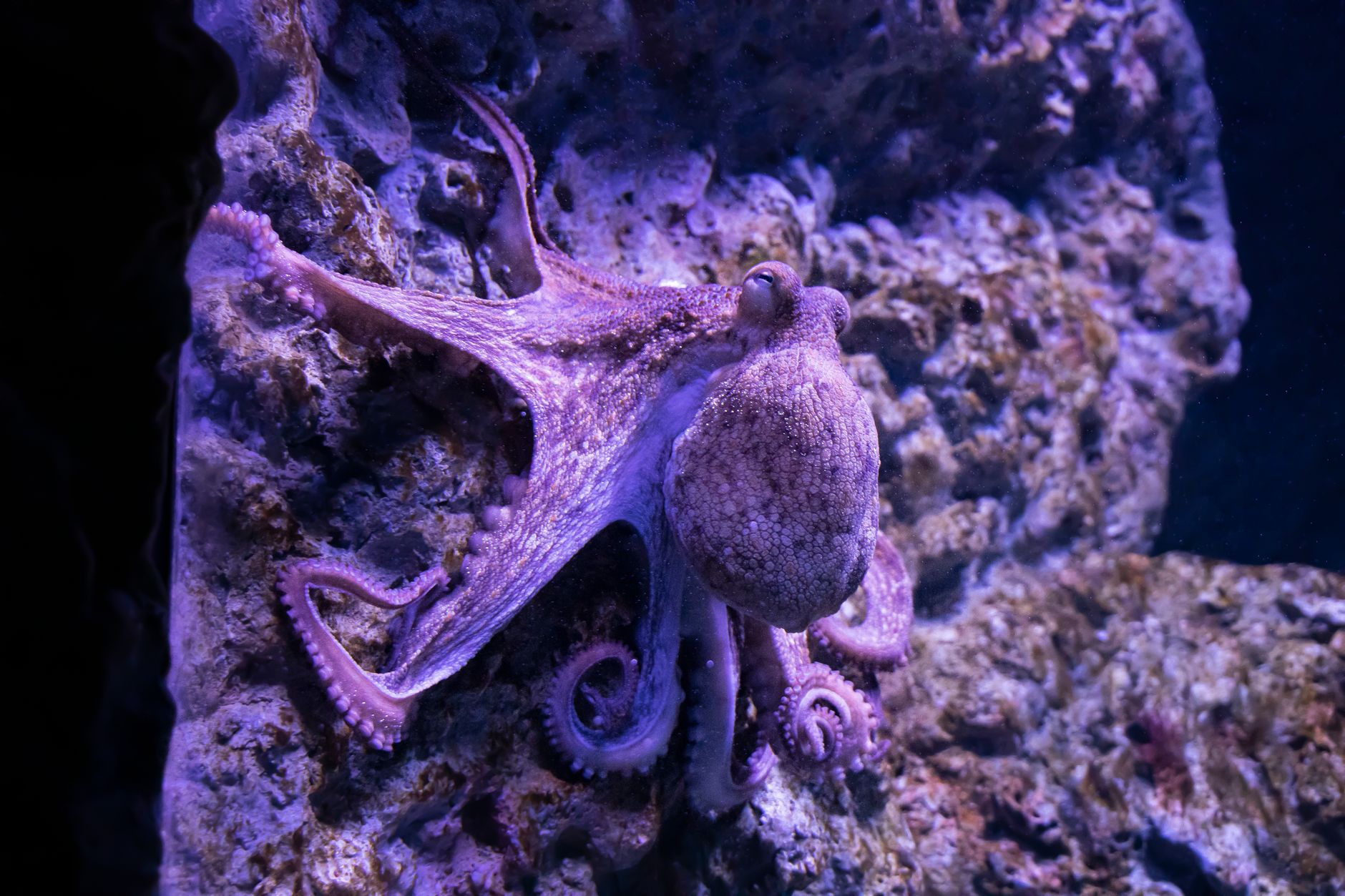
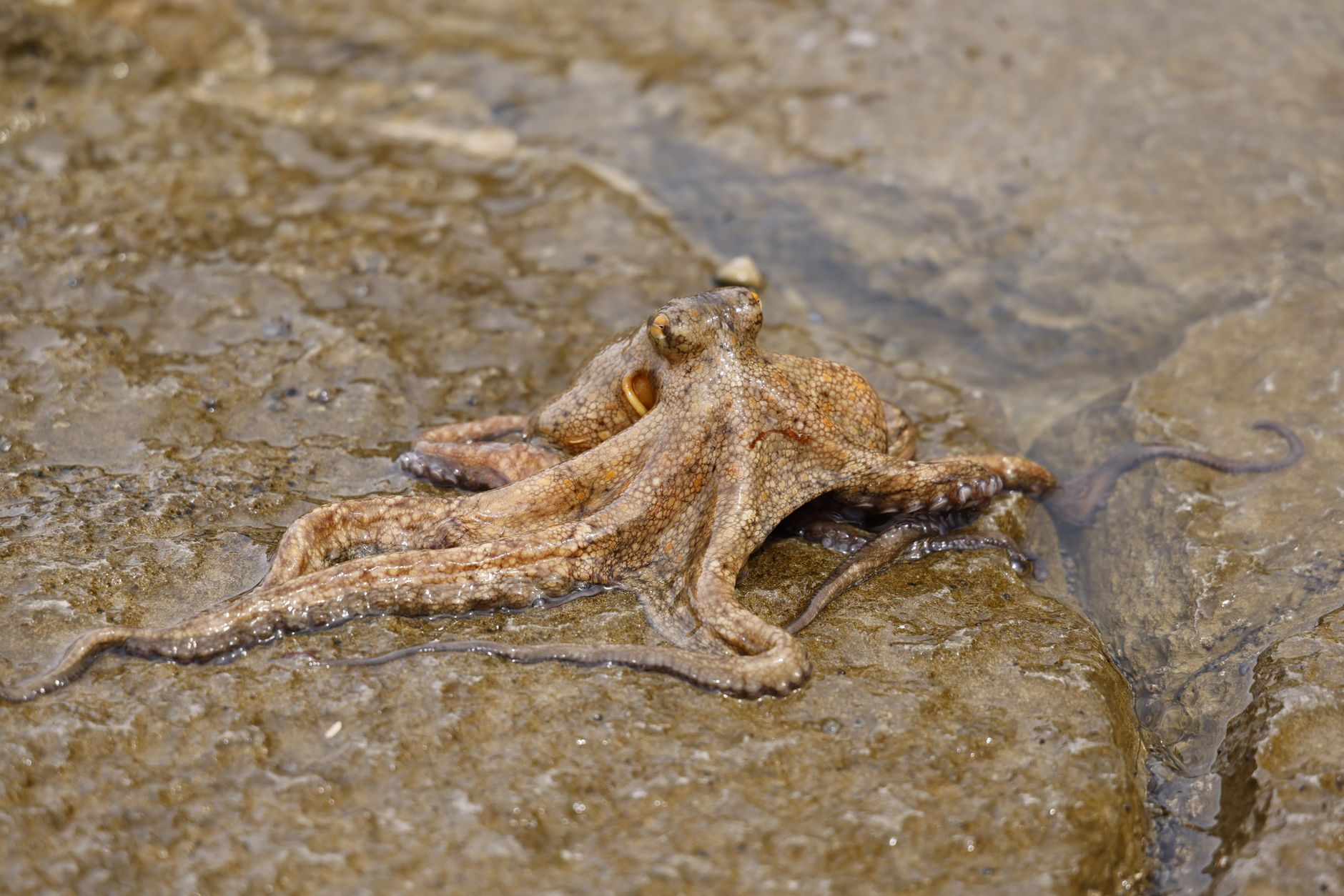
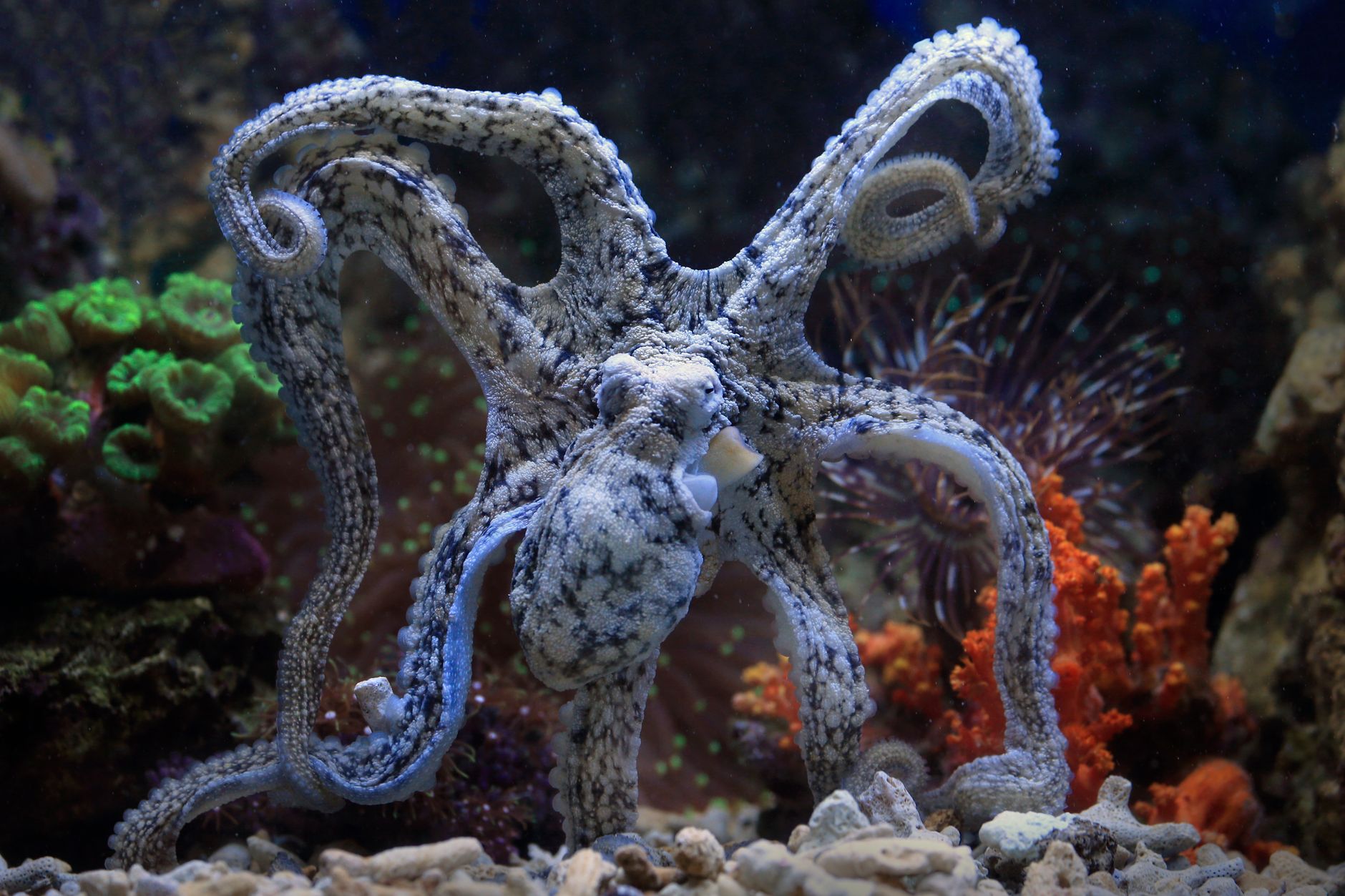
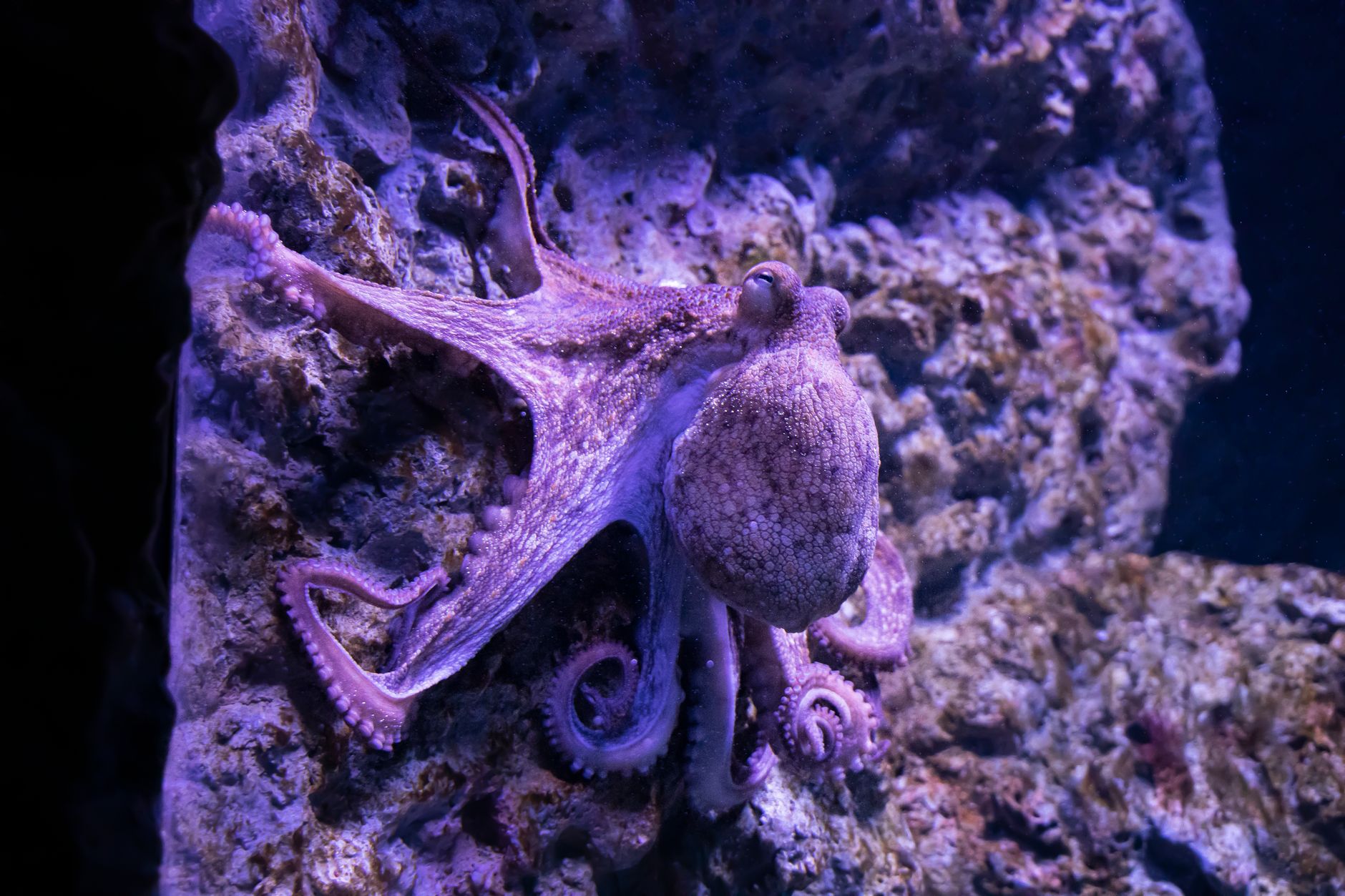
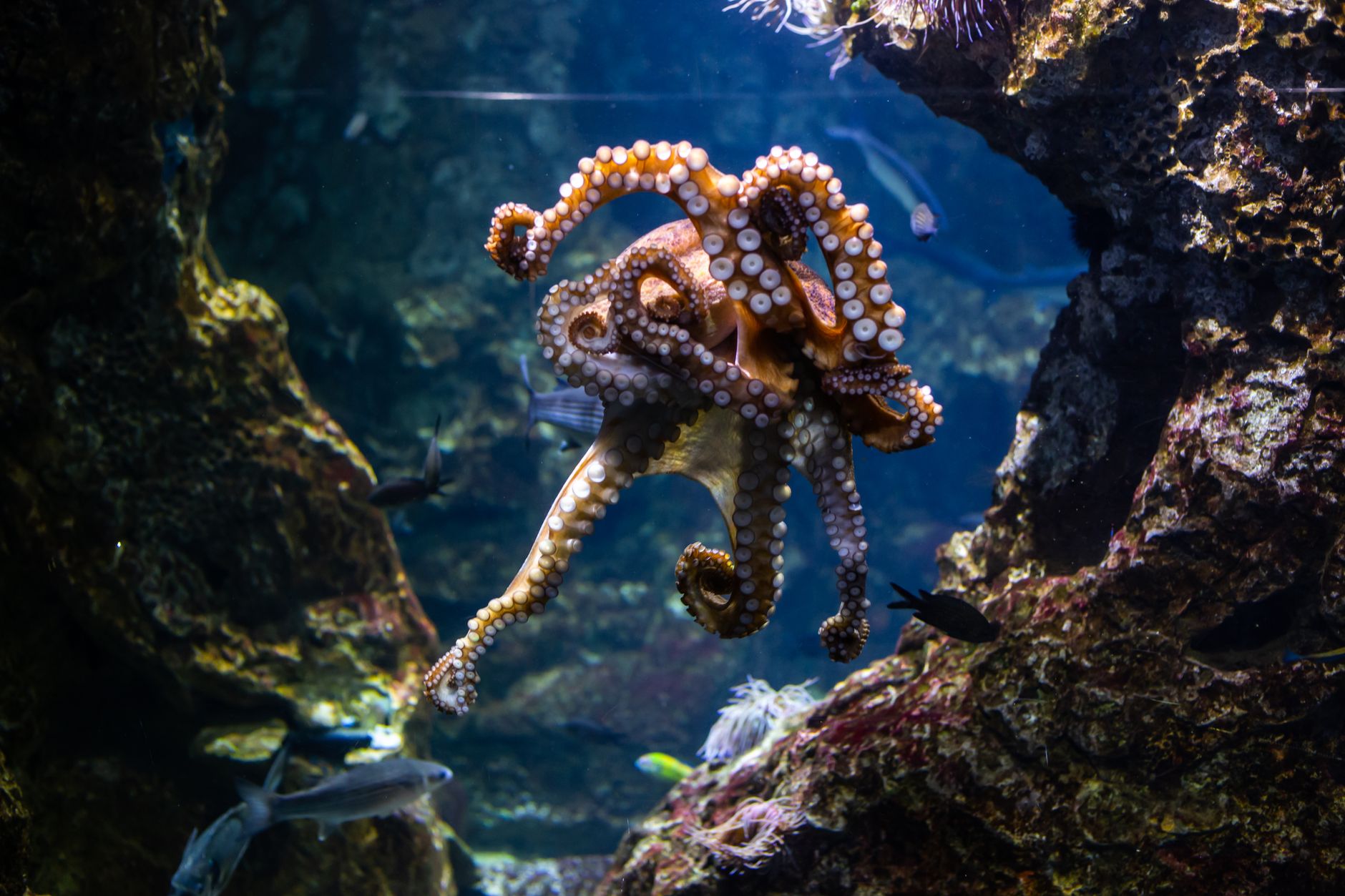
"An octopus doesn't have one central brain like humans do. Instead, it has nine separate brains: one in its head and a smaller brain in each of its eight arms. This distributed system means each arm can operate almost independently, solving problems and exploring its environment without waiting for instructions from the central brain. An octopus arm can taste what it touches, hunt for food, and even continue moving for a short time after being severed from the body. The central brain handles higher-level functions like learning and memory, but the arm brains handle immediate responses to stimuli. This is why octopuses can simultaneously hold different objects with different arms while the central brain focuses on other tasks. Researchers have observed octopuses using their arms to investigate crevices, manipulate objects, and even open jars, often making decisions that seem independent from the main body. This neural architecture allows octopuses to be remarkably efficient hunters and problem-solvers in complex ocean environments where instant, localized reactions matter more than centralized control."

Jul 13, 202600
Octopuses Have Nine Brains
Good to know facts
#octopus#neuroscience#marine biology
Octopuses Have Nine Brains

"An octopus doesn't think the way you do. Two-thirds of its neurons exist not in its central brain, but distributed throughout its eight arms. Each arm operates with a kind of local intelligence, capable of problem-solving and movement independent of the main brain's control. This means an octopus arm can taste, touch, and react to its environment while the central brain handles other tasks simultaneously. Even when severed from the body, an octopus arm will continue to move and respond to stimuli for hours. This distributed neural architecture lets octopuses perform extraordinary feats: unscrewing jar lids, squeezing through tiny crevices, and coordinating complex hunting behaviors without conscious direction of every limb. It's not that the arms have true brains of their own, but rather that they possess enough neural processing power to act semi-autonomously. The central brain coordinates overall strategy while the arms handle their own execution, a system that grants octopuses remarkable flexibility and speed in unpredictable ocean environments. This decentralized intelligence remains one of nature's most alien forms of cognition, fundamentally different from how vertebrate brains operate."

Jul 11, 202600
Octopuses Have Three Hearts and Blue Blood
Good to know facts
#octopus#marine biology#animal physiology
Octopuses Have Three Hearts and Blue Blood

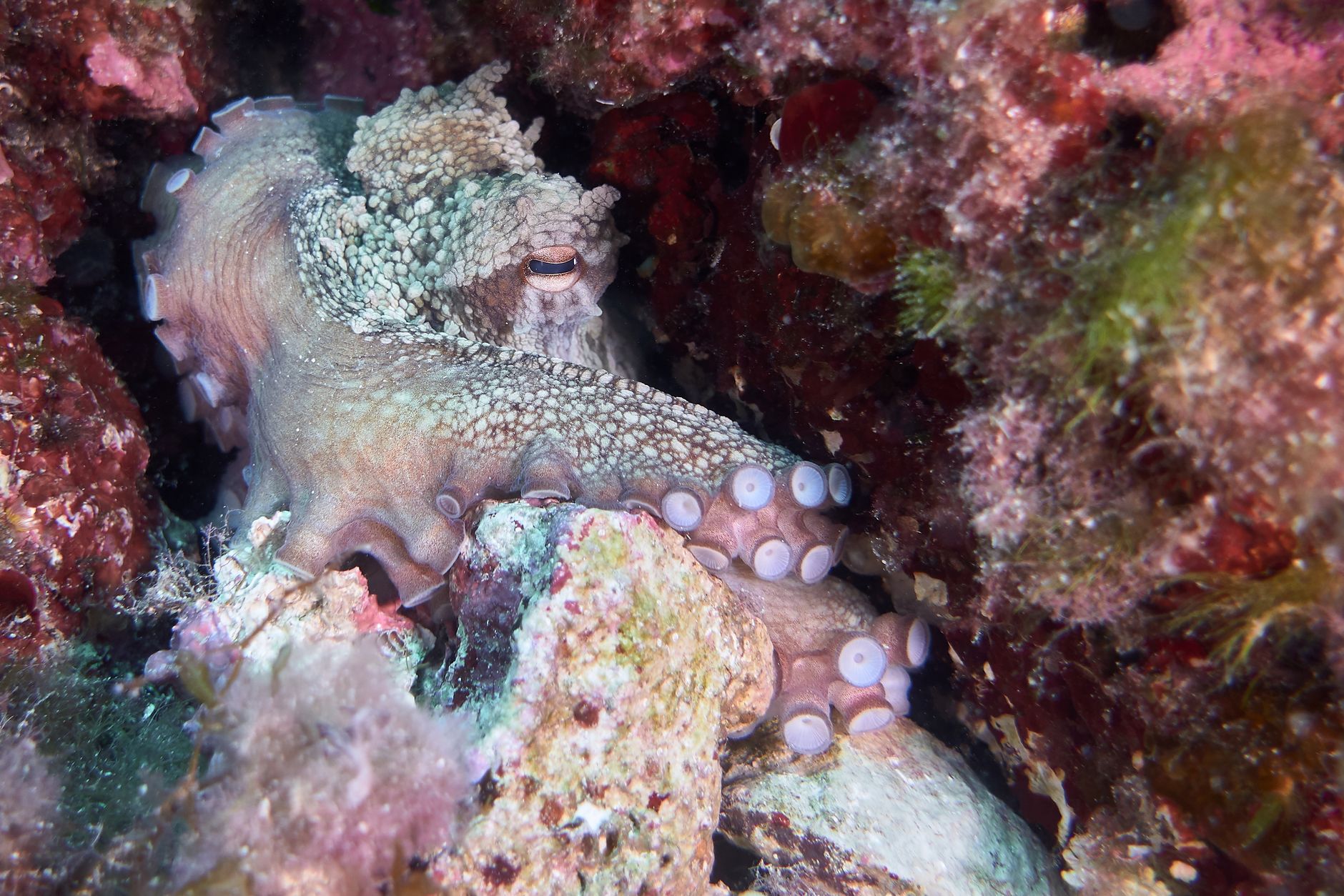
"Octopuses possess a biological setup that seems almost alien to humans. They have three hearts: two pump blood to the gills, while the third pumps it to the rest of the body. Even more remarkably, their blood is blue instead of red. This occurs because octopuses use a copper-based protein called hemocyanin to carry oxygen, whereas humans use iron-based hemoglobin. This copper compound is more efficient in cold, low-oxygen ocean environments where octopuses live. However, there's a trade-off: when an octopus swims, the heart pumping blood to the body actually stops beating, which is why these creatures prefer crawling along the ocean floor to swimming—it's less exhausting. This unique physiology, combined with their nine brains (one central brain and a mini-brain in each arm), makes octopuses one of nature's most remarkably adapted creatures. Their three-heart system and blue blood are perfect examples of how evolution produces wildly different solutions to the same survival challenges across species."

Jun 29, 202600
Octopuses Have Three Hearts and Blue Blood
Good to know facts
#octopus#marine biology#animal physiology
Octopuses Have Three Hearts and Blue Blood

"Octopuses possess a cardiovascular system that defies conventional vertebrate biology. They have three hearts: two pump blood to the gills, while the third pumps it to the rest of the body. Even more remarkably, their blood is blue rather than red because it uses copper-based hemocyanin to carry oxygen instead of iron-based hemoglobin found in mammals. This copper-based system is actually more efficient in cold, low-oxygen marine environments where octopuses thrive. When an octopus swims, the heart that delivers blood to the body actually stops beating, which is why these creatures prefer crawling along the ocean floor to swimming—it's less exhausting. This unique physiology is one reason octopuses are among the most intelligent invertebrates on Earth, with distributed neural systems that allow their eight arms to act semi-independently. Their complex biology reflects millions of years of evolution in deep ocean environments where standard vertebrate solutions simply wouldn't work."

Jun 23, 202600
Octopuses Have Three Hearts and Blue Blood
Good to know facts
#octopus#marine biology#animal physiology
Octopuses Have Three Hearts and Blue Blood

"Octopuses possess a biological system that seems alien to most creatures on Earth. They have three hearts: two pump blood to the gills, while the third pumps it to the rest of the body. Even more remarkably, their blood is blue instead of red because it uses copper-based hemocyanin to carry oxygen, rather than the iron-based hemoglobin found in mammals. This copper-based system is actually more efficient in cold, low-oxygen ocean environments where octopuses thrive. The trade-off is significant: when an octopus swims, the heart that delivers blood to the body actually stops beating, which is why these creatures prefer crawling along the ocean floor to swimming—it's less exhausting. Their three-heart system, combined with distributed neural processing (two-thirds of their neurons are in their arms rather than their brain), makes octopuses some of the most neurologically unusual and intelligent invertebrates on the planet. This unique circulatory system is shared with other cephalopods like squid and cuttlefish, representing an evolutionary solution perfectly adapted to deep-sea survival."

Jun 22, 202600
Octopuses Have Three Hearts and Blue Blood
Good to know facts
#octopus#marine biology#animal physiology
Octopuses Have Three Hearts and Blue Blood

"Octopuses possess a cardiovascular system that defies our typical understanding of animal biology. They have three hearts: two pump blood to the gills, while the third pumps it to the rest of the body. Even more remarkably, their blood is blue, not red like ours. This happens because octopuses use copper-based hemocyanin to carry oxygen instead of the iron-based hemoglobin found in mammals. The copper compound is more efficient at transporting oxygen in cold, low-oxygen ocean environments where octopuses live. This adaptation allows them to thrive in deep-sea conditions that would be inhospitable to most creatures. However, there's a fascinating trade-off: when an octopus swims, the heart that pumps blood to the body actually stops beating, which is why these creatures prefer crawling along the ocean floor rather than swimming—swimming exhausts them rapidly. This unique physiology is just one reason octopuses are considered among the most alien-like creatures on Earth, despite being invertebrates that evolved on our own planet. Their three-heart system and blue blood represent millions of years of adaptation to extreme marine environments."

Jun 19, 202600
Octopuses Have Three Hearts and Blue Blood
Good to know facts
#octopus#marine biology#circulatory system
Octopuses Have Three Hearts and Blue Blood

"Octopuses possess a circulatory system unlike almost any other animal on Earth. They have three hearts: two pump blood to the gills, while the third pumps it to the rest of the body. Even more remarkably, their blood is blue instead of red. This happens because octopuses use a copper-based protein called hemocyanin to carry oxygen, whereas most vertebrates use iron-based hemoglobin. The copper compound is more efficient at transporting oxygen in cold, low-oxygen ocean environments where octopuses live. However, there's a fascinating trade-off: when an octopus swims, the heart pumping blood to the body actually stops beating. This causes the animal to become exhausted quickly, which is why octopuses prefer crawling along the ocean floor rather than swimming. Their three-heart system also makes them incredibly sensitive to stress—when caught or threatened, the heart strain from fear can literally cause them to have a heart attack. This unique physiology is one reason octopuses remain among the ocean's most enigmatic and intelligent creatures, having evolved in isolation with adaptations perfectly suited to their deep-sea lifestyle."

Jun 14, 202600
Octopuses Have Three Hearts and Blue Blood
Good to know facts
#octopus#marine biology#circulatory system
Octopuses Have Three Hearts and Blue Blood

"Octopuses possess a circulatory system that seems straight out of science fiction. They have three hearts: two pump blood to the gills, while the third pumps it to the rest of the body. Even more remarkably, their blood is blue instead of red because it uses copper-based hemocyanin to carry oxygen, rather than the iron-based hemoglobin found in humans and most vertebrates. This copper-based system is actually more efficient in cold, low-oxygen environments like the deep ocean where many octopuses live. When an octopus swims, the heart that delivers blood to the body actually stops beating, which is why these creatures prefer crawling along the seafloor to swimming—it's less exhausting. This unique physiology, combined with their nine brains (one central brain plus a mini-brain in each arm), makes octopuses one of nature's most alien-like creatures, despite living right here on Earth."

Jun 11, 202600