
HomeCategoriesDaily FeedBlogAboutContactShare Facts
DNA And Biology
Back to Categories

Category

DNA And Biology

The human body is full of secrets… and some of them are seriously disturbing. From mind-controlling parasites to hidden DNA quirks, biology gets weird fast.

28 facts

Showing 1–8 of 28 facts

Your DNA Contains Instructions Written By Viruses
DNA And Biology
#endogenous retroviruses#viral DNA#human genome
Your DNA Contains Instructions Written By Viruses

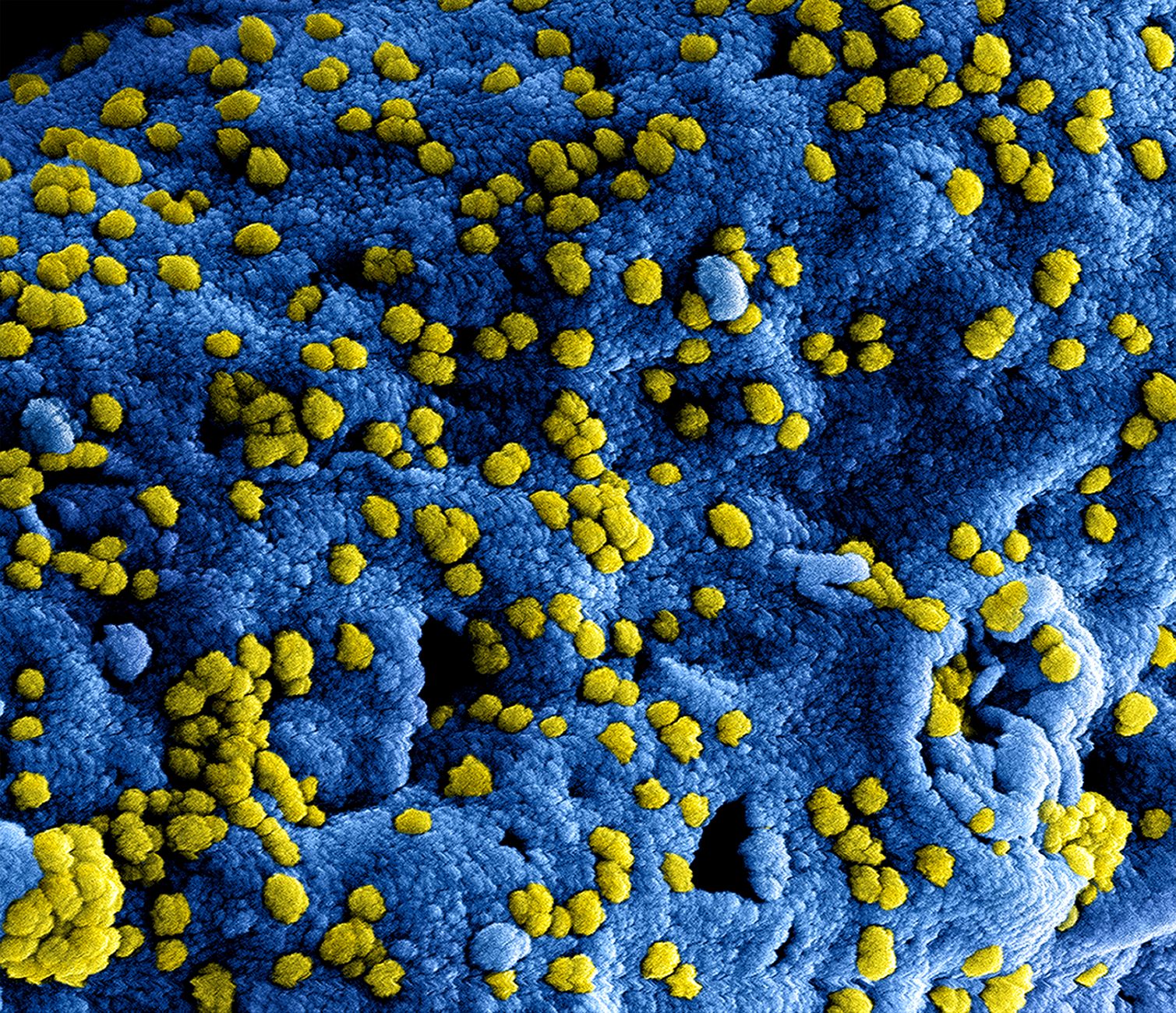
"About 8 percent of human DNA comes from ancient viruses that infected our ancestors millions of years ago. These viral sequences, called endogenous retroviruses, are embedded throughout our genome like fossilized invaders. Most are now inactive, stripped of their ability to replicate or cause harm. But they're still there, a permanent record of infections that happened long before humans existed. Scientists discovered that some of these viral remnants have been repurposed by our cells for useful functions. One viral gene fragment, called syncytin, helps build the placenta during pregnancy, something essential for mammalian reproduction. Without it, pregnancy wouldn't work the way it does. This means viruses didn't just attack us and vanish. Over evolutionary time, our cells incorporated parts of them into our own machinery. It's not parasitism or coevolution in the traditional sense. It's something stranger, a kind of genetic merger where the boundary between self and invader blurred so completely that we can no longer separate them. Every human carries this history written into every cell, a reminder that our genome is less like a pristine blueprint and more like a palimpsest, layers of different origins written over one another."

Jul 14, 202600
Your DNA Contains Instructions Written by Ancient Viruses
DNA And Biology
#endogenous retroviruses#human genome#viral DNA
Your DNA Contains Instructions Written by Ancient Viruses

"About 8 percent of your DNA comes from retroviruses that infected your ancestors millions of years ago. These viral sequences embedded themselves into the human genome so long ago that we've now incorporated them as functional parts of our own biology. Scientists call these endogenous retroviruses, and they're not just junk code sitting around doing nothing. Some of them have been repurposed by our cells for legitimate work. One viral gene, called syncytin, helps build the placenta during pregnancy. Without it, human reproduction as we know it wouldn't be possible. Another viral fragment plays a role in regulating immune responses. What makes this truly striking is that these aren't anomalies or infections in progress. They're permanent residents of your genetic code, passed down through generations, now so integrated that your body treats them as its own machinery. The discovery fundamentally changed how scientists understand evolution. We're not separate from viruses trying to invade us from outside. We're literally made partly of them, carrying their legacy in nearly every cell. Every human being walking around today is part human, part ancient viral code."

Jul 13, 202600
Your DNA Contains Instructions Written by Ancient Viruses
DNA And Biology
#retroviruses#human genome#evolution
Your DNA Contains Instructions Written by Ancient Viruses

"About 8 percent of your DNA doesn't actually belong to you. It's viral code, left behind by retroviruses that infected your ancestors millions of years ago. These genetic remnants, called Human Endogenous Retroviruses (HERVs), integrated themselves into the human genome so long ago that we've inherited them ever since. Most of this viral DNA is now inactive, broken down by time into silent sequences. But some fragments still function. Scientists discovered that one ancient viral gene, called syncytin, plays a crucial role in pregnancy. Your placenta uses syncytin protein to fuse cells together, allowing nutrients to pass from mother to fetus. Without this borrowed viral code, human reproduction as we know it wouldn't work. This isn't unique to humans. Virtually every mammal carries similar viral insertions in its genome. The viruses didn't vanish, they were captured. Over millions of years, evolution repurposed what was once an invader into something essential for survival. The discovery challenges how we think about the boundary between self and other. Your cells aren't purely human. You're carrying working copies of ancient viral machinery, operating silently in trillions of cells, doing jobs that helped make you possible. Evolution doesn't discard tools. It recycles them."

Jul 12, 202600
Your DNA Contains Instructions Written by Ancient Viruses
DNA And Biology
#retroviruses#endogenous viruses#human genome
Your DNA Contains Instructions Written by Ancient Viruses

"About 8 percent of human DNA comes from retroviruses that infected our ancestors millions of years ago. These viral sequences, called Human Endogenous Retroviruses (HERVs), have been embedded in our genome so long that most are now inactive. But they're still there, copied into nearly every cell in your body. What makes this stranger is that some of these ancient viral genes still get used. Your placenta, the organ that sustains a fetus, relies on a protein called syncytin that originally came from a retrovirus infection around 25 million years ago. Without this viral legacy, human pregnancy wouldn't work as it does. Scientists have found evidence that these dormant viral sequences may influence how our immune system develops and how certain genes are regulated. A few HERVs appear to activate during specific diseases, suggesting they're not entirely benign passengers. Some research hints they might play a role in conditions like multiple sclerosis and lupus, though the relationship is complex and still being studied. This isn't unique to humans. Other mammals carry their own endogenous retroviruses, and the proportion varies. The finding upended the old idea of DNA as a neatly organized instruction manual. Instead, it's more like a library where chapters were written by organisms that no longer exist, yet still shape who we are."

Jun 29, 202600
Octopuses Have Nine Brains and Blue Blood
DNA And Biology
#octopus neurology#blue blood hemocyanin#distributed intelligence
Octopuses Have Nine Brains and Blue Blood

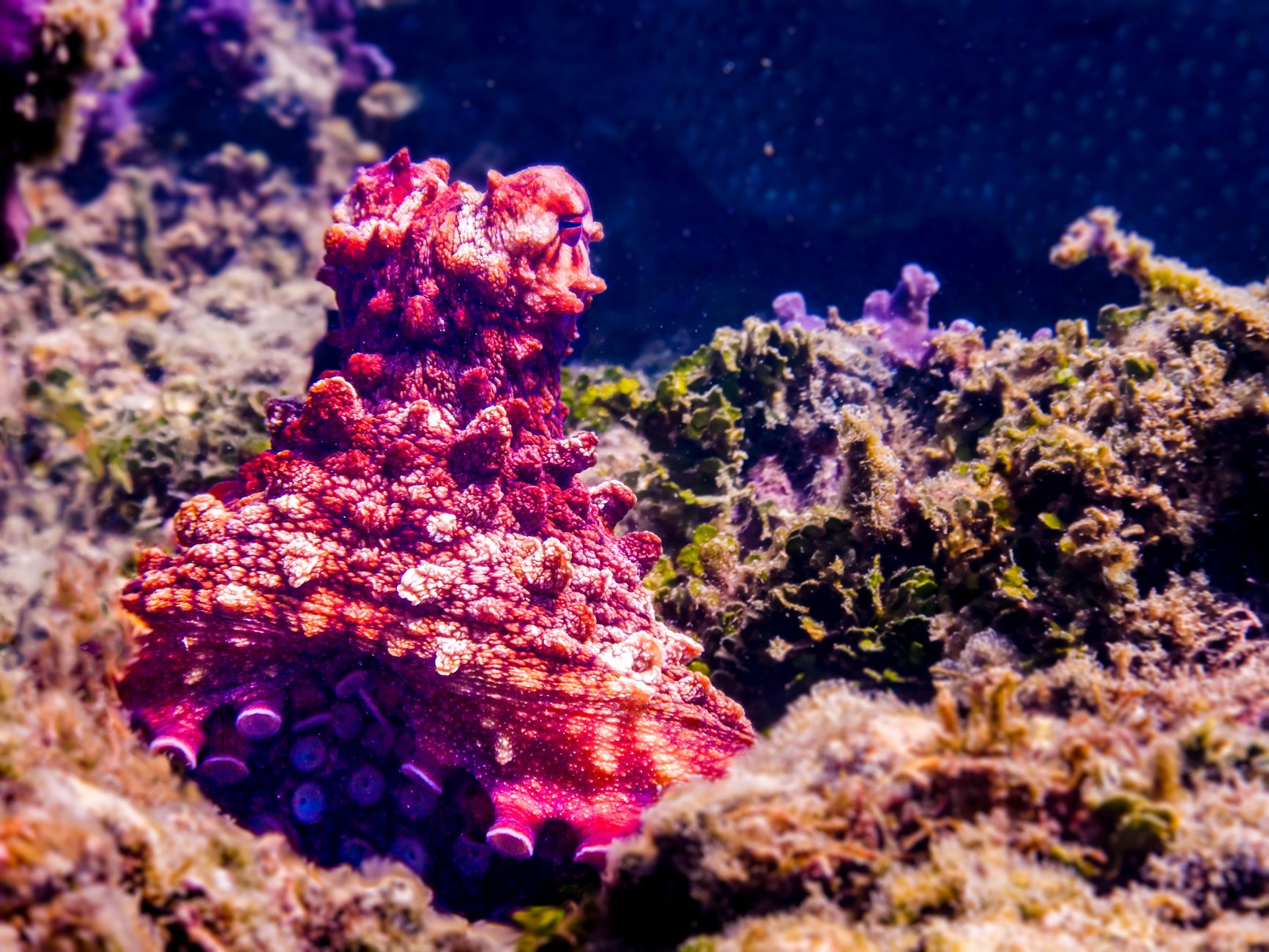
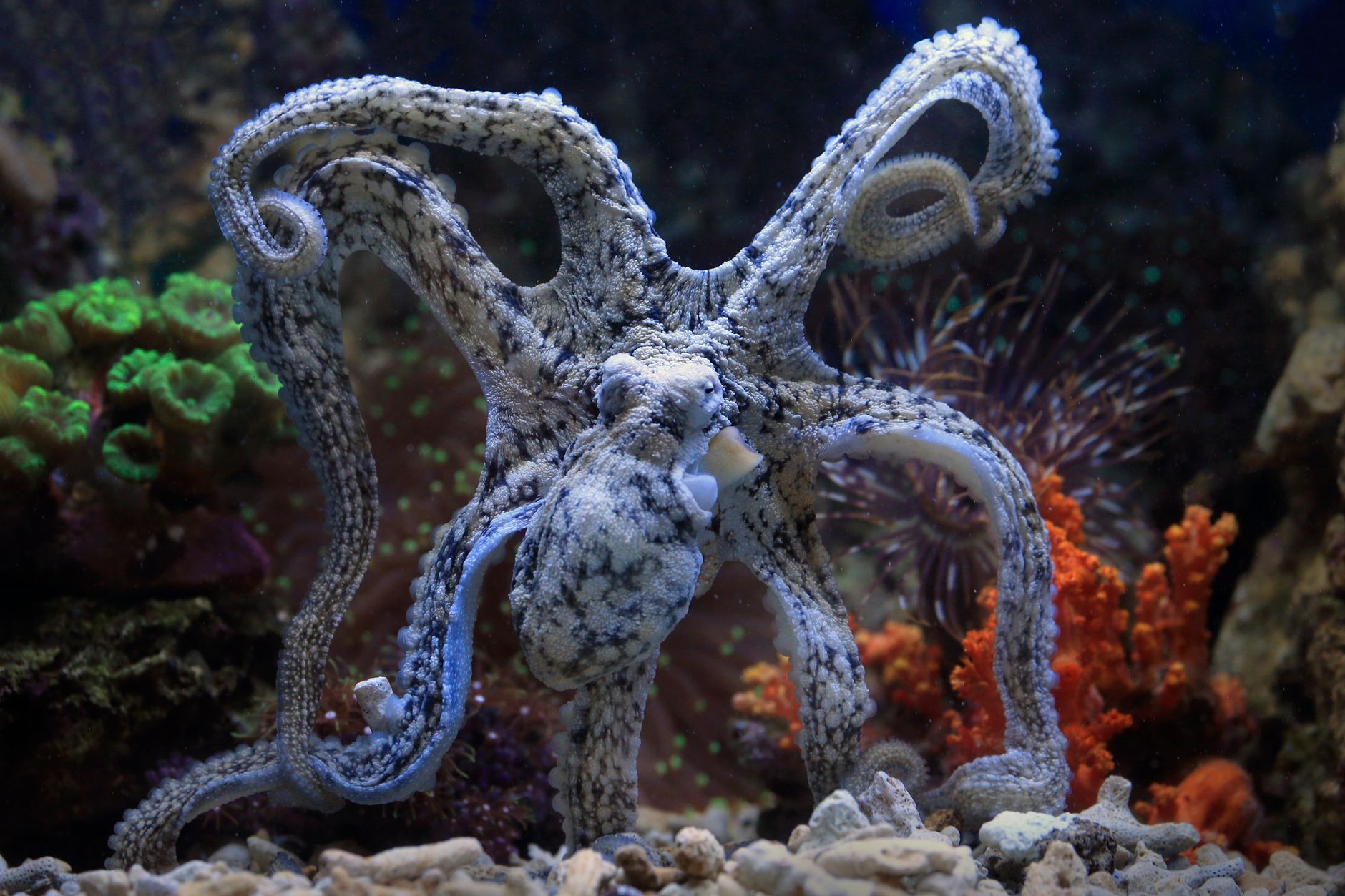
"Octopuses possess a truly alien neurology that challenges our understanding of intelligence. While they have one central brain, they also have a mini-brain in each of their eight arms, giving them nine brains total. This distributed nervous system allows each arm to act semi-independently, solving problems and exploring environments without waiting for central brain approval. An octopus arm can taste, touch, and react to stimuli autonomously—essentially thinking for itself. Even stranger, octopuses use copper-based hemocyanin to carry oxygen instead of the iron-based hemoglobin found in vertebrates like us. This makes their blood blue instead of red. Hemocyanin is actually more efficient at delivering oxygen in cold, low-oxygen environments like the ocean depths where octopuses thrive. This ancient molecular choice reveals how evolution crafts different solutions for survival. Combined with their distributed intelligence, octopuses represent one of nature's most radically different approaches to neurology and physiology, having evolved their complex behaviors completely independently from vertebrates—a stunning example of convergent evolution producing intelligence through entirely different biological architecture."

Jun 27, 202600
Octopuses Have Nine Brains and Blue Blood
DNA And Biology
#octopus neurology#marine biology#invertebrate intelligence
Octopuses Have Nine Brains and Blue Blood

"Octopuses possess a distributed nervous system unlike most animals—they have one central brain and nine mini-brains, with two-thirds of their neurons located in their arms rather than their head. This decentralized architecture allows each arm to solve problems and move independently, even continuing to search for food after being severed. Even more remarkably, octopuses have blue blood instead of red. Their blood contains copper-based hemocyanin rather than iron-based hemoglobin to carry oxygen. This copper compound is more efficient in cold, low-oxygen ocean environments where octopuses hunt. Additionally, octopuses can taste with their suckers—each sucker contains chemoreceptors that allow them to identify food on contact. These biological innovations make octopuses one of nature's most neurologically alien creatures despite being invertebrates. Their intelligence rivals that of some vertebrates, and they can solve mazes, use tools, and recognize individual humans. Scientists believe their unique neural distribution evolved to compensate for their lack of a rigid skeleton, allowing flexible problem-solving across their eight arms simultaneously."

Jun 26, 202600
Octopuses Have Nine Brains and Blue Blood
DNA And Biology
#octopus#nervous system#marine biology
Octopuses Have Nine Brains and Blue Blood

"Octopuses possess a distributed nervous system that defies conventional biology. While they have one central brain, they also have a mini-brain in each of their eight arms, allowing each arm to act semi-independently. An arm can solve problems, hunt, and manipulate objects even when severed from the body—it essentially "thinks" on its own. Additionally, octopus blood is blue instead of red because it uses copper-based hemocyanin to carry oxygen rather than the iron-based hemoglobin found in humans and most vertebrates. This copper-based system is more efficient in cold, low-oxygen ocean environments where octopuses thrive. Their cognitive abilities are remarkable; they can navigate mazes, use tools, and demonstrate playful behavior. The nine-brain system gives octopuses extraordinary flexibility and problem-solving capability, making them among the most intelligent invertebrates on Earth. This distributed intelligence model is so effective that it has inspired researchers studying artificial intelligence and robotics. The evolutionary advantages of this neural architecture reflect how different life forms develop unique solutions to environmental challenges, showcasing the incredible diversity of biological design in nature."

Jun 22, 202600
Your DNA Contains Instructions Written by Ancient Viruses
DNA And Biology
#retroviruses#endogenous retroviruses#evolutionary biology
Your DNA Contains Instructions Written by Ancient Viruses

"About 8% of your DNA consists of endogenous retroviruses (ERVs)—genetic material from viruses that infected your ancestors millions of years ago. These viral sequences integrated into the germline cells and were passed down through generations, becoming a permanent part of your genome. Most of these ancient viral insertions are now inactive, their genes disabled by mutations accumulated over time. However, scientists have discovered that some ERVs still produce proteins and may influence human development and immune function. One retroviral gene called syncytin is essential for forming the placenta during pregnancy—we literally depend on ancient viral code to reproduce. This phenomenon isn't unique to humans. All mammals carry these genetic fossils, representing a evolutionary arms race between viruses and their hosts spanning hundreds of millions of years. When a virus successfully integrated into reproductive cells, it became "trapped" in the genome, unable to escape but unable to harm its host. Recent research suggests certain ERVs may play roles in autoimmune diseases and cancer, while others may have been co-opted by evolution for beneficial functions. Scientists view these sequences as windows into ancient viral infections and evidence of how life constantly adapts to threats. Rather than being useless junk DNA, ERVs represent a remarkable evolutionary compromise between parasites and hosts—a molecular record of ancient battles written into every cell of your body."

Jun 21, 202600