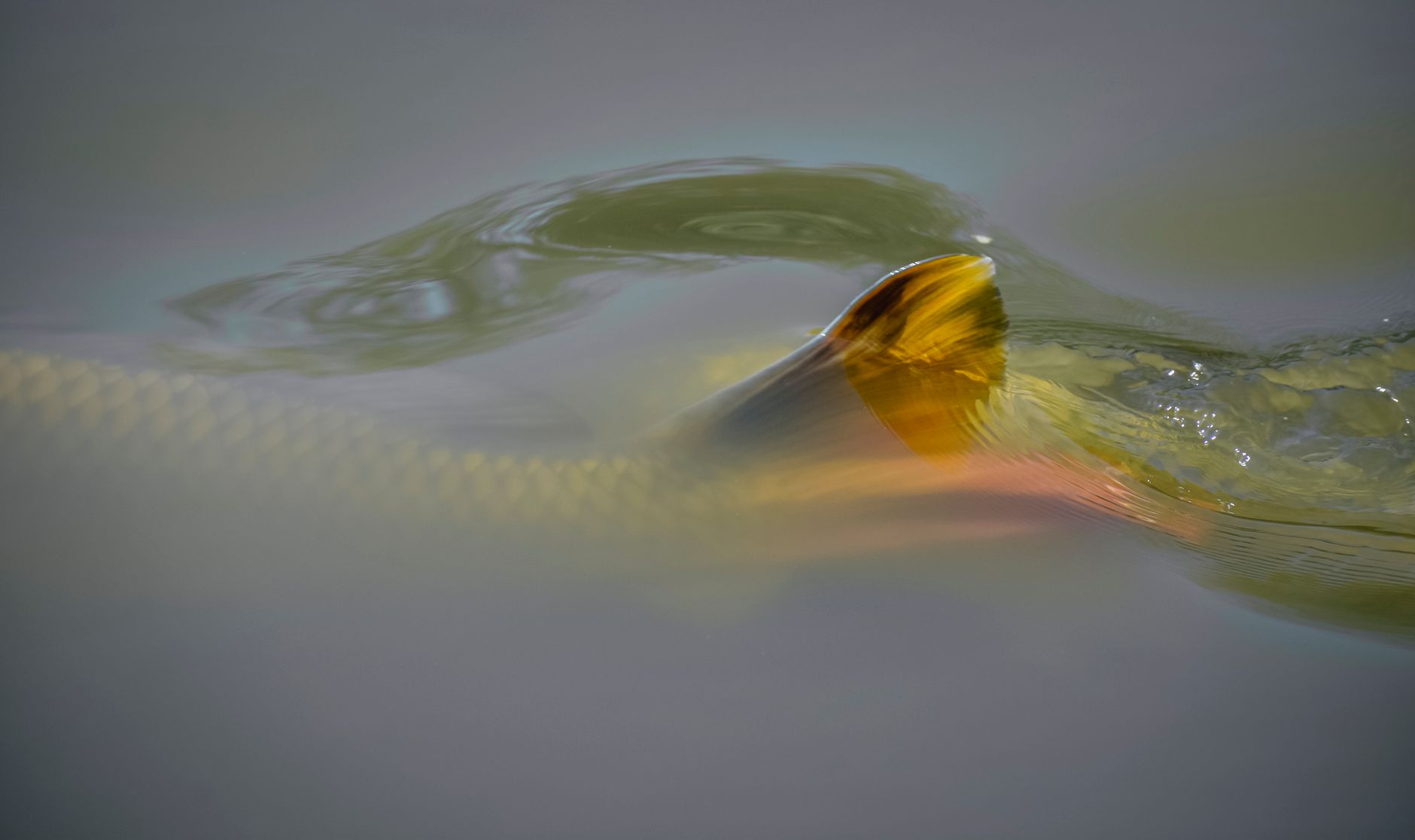
Most people assume fish live in silence, but the underwater world is actually loud and fish hear remarkably well. Sound travels roughly four times faster in water than in air, and fish detect vibrations through a specialized system called the lateral line, a sensory organ that runs along their body and picks up pressure changes. Beyond that, many fish species have inner ears connected to their swim bladders, which amplify sound like a biological amplifier. Some fish, including catfish and carp, have tiny bones called the Weberian apparatus that link their swim bladder directly to their inner ear, giving them hearing comparable to human hearing in certain frequency ranges. Fish respond to boat engines from miles away, recognize the sounds of predators and prey, and some use complex vocalizations to communicate with each other. Damselfish will aggressively defend their territory after hearing the sounds of rival fish. Groupers and other fish even hunt cooperatively by using specific sounds to signal to other species, essentially coordinating attacks on prey. The ocean is not the silent frontier we imagine but a complex acoustic environment where fish navigate, hunt, and communicate using sound cues we're only beginning to understand.