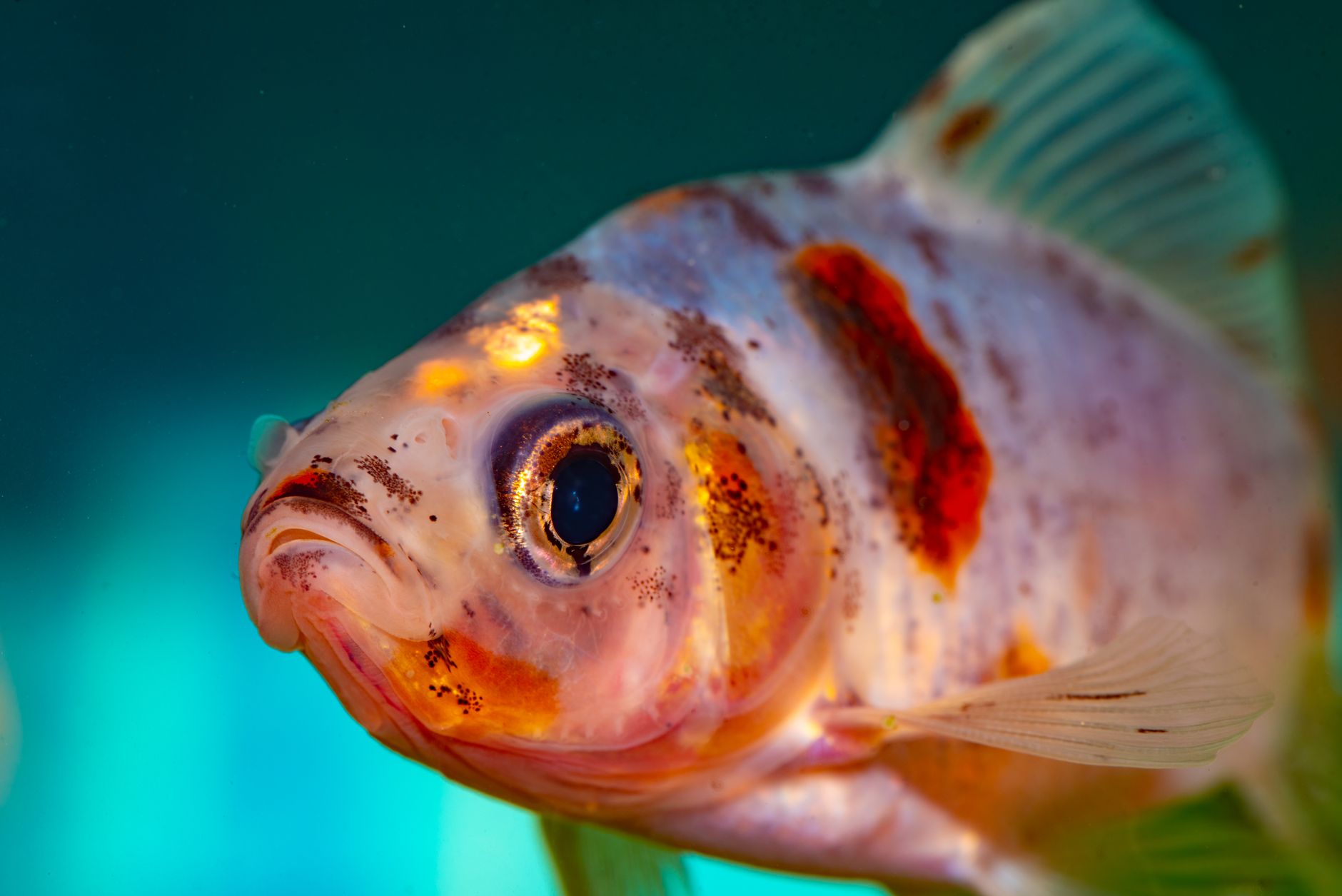
Most fish lack eyelids entirely, a fundamental difference from land vertebrates that seems shocking given how much time they spend underwater. Instead of protective eyelids, fish eyes are covered with a transparent membrane called the cornea, which provides some protection while allowing unobstructed vision in their aquatic environment. This adaptation makes evolutionary sense: eyelids would create drag and turbulence as fish move through water, reducing their hydrodynamic efficiency. Additionally, water itself provides constant lubrication and protection for the eye surface, eliminating the need for eyelids to keep eyes moist—a primary function of eyelids in air-breathing animals. Some fish species, particularly sharks and rays, have developed a modified eyelid-like structure called a nictitating membrane that can cover the eye for protection during feeding, but this is still vastly different from the functional eyelids of terrestrial animals. This means fish are essentially in a perpetual state of alertness, unable to blink or close their eyes to rest them. Their eyes remain open 24/7, constantly scanning their underwater environment for food, threats, and mates. This adaptation perfectly illustrates how millions of years of evolution fine-tunes organisms to their specific environments, with even seemingly universal features like eyelids becoming unnecessary luxuries in the ocean.