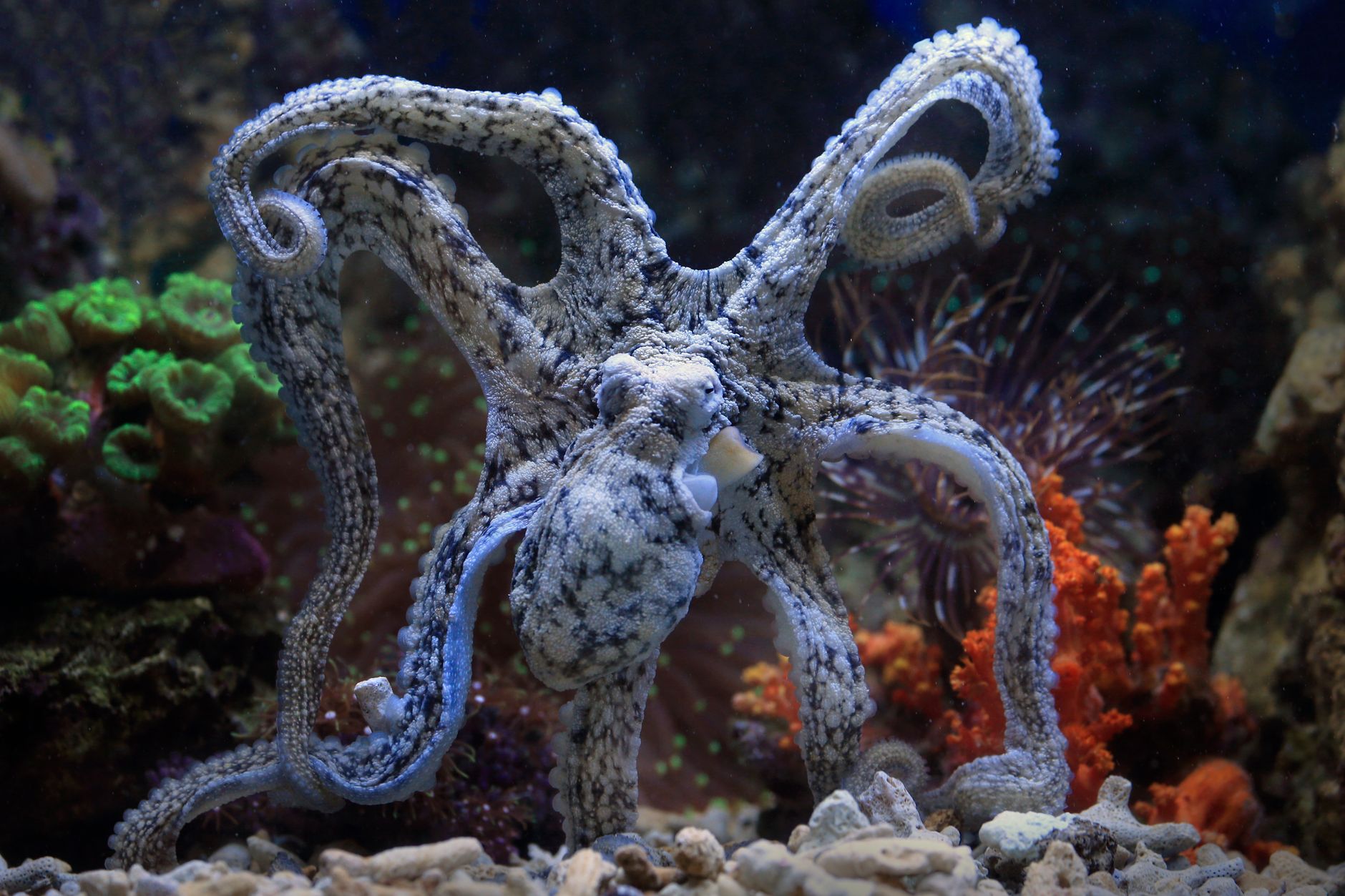
Octopuses Have Three Hearts, and Two Stop When They Swim
An octopus possesses three hearts. Two of them pump blood to the gills, while the third pumps blood to the rest of the body. Here's where it gets strange: when an octopus swims, the heart that supplies the body actually stops beating. This is why octopuses prefer to crawl along the ocean floor rather than swim. Swimming exhausts them so severely that they often die from the effort afterward, even if they weren't caught or injured. The metabolic cost is simply too high. Scientists believe this limitation evolved because octopuses are primarily bottom-dwellers in their natural habitats, where crawling is efficient and swimming is rarely necessary. Their three-heart system works perfectly fine for their typical lifestyle, but it creates a genuine physiological vulnerability. An octopus that swims for extended periods risks cardiac failure. Some species have adapted better than others, but the basic constraint remains. This isn't a minor quirk of octopus anatomy, it's a fundamental trade-off that shapes how these intelligent creatures behave and survive in the ocean.