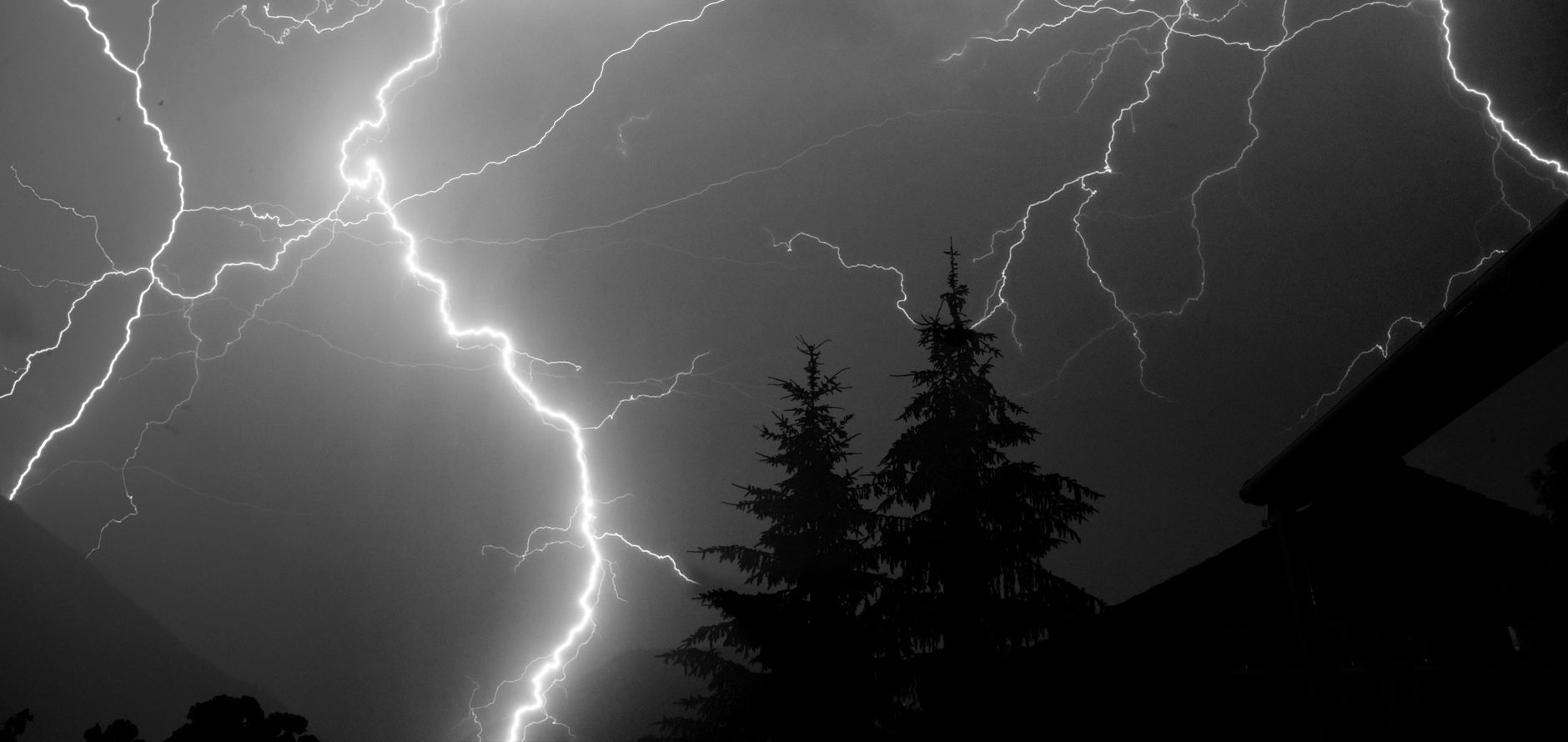
Lightning Strikes Hotter Than the Sun's Surface
A single lightning bolt can reach temperatures of approximately 30,000 Kelvin (53,540°F or 29,727°C), making it roughly five times hotter than the surface of the sun, which burns at about 5,500 Kelvin. This extreme heat is generated in just microseconds as electrical discharge ionizes air molecules along the lightning's path. The intense temperature causes the surrounding air to expand so rapidly that it creates a shock wave—the thunder we hear during storms. Despite this incredible heat, lightning doesn't always ignite everything it strikes because the duration is extremely brief, typically lasting only 0.2 seconds. This is why wooden structures can survive lightning strikes and why people occasionally survive being struck, though with severe injuries. The energy released in a single lightning strike could theoretically power a 100-watt light bulb for more than three months, yet most of this energy dissipates as heat, light, and sound rather than causing sustained ignition. Understanding lightning's extreme temperatures has helped scientists develop better lightning protection systems and study atmospheric physics, revealing how Earth's electrical systems operate during severe weather events.