Trees Can Talk Through Underground Networks
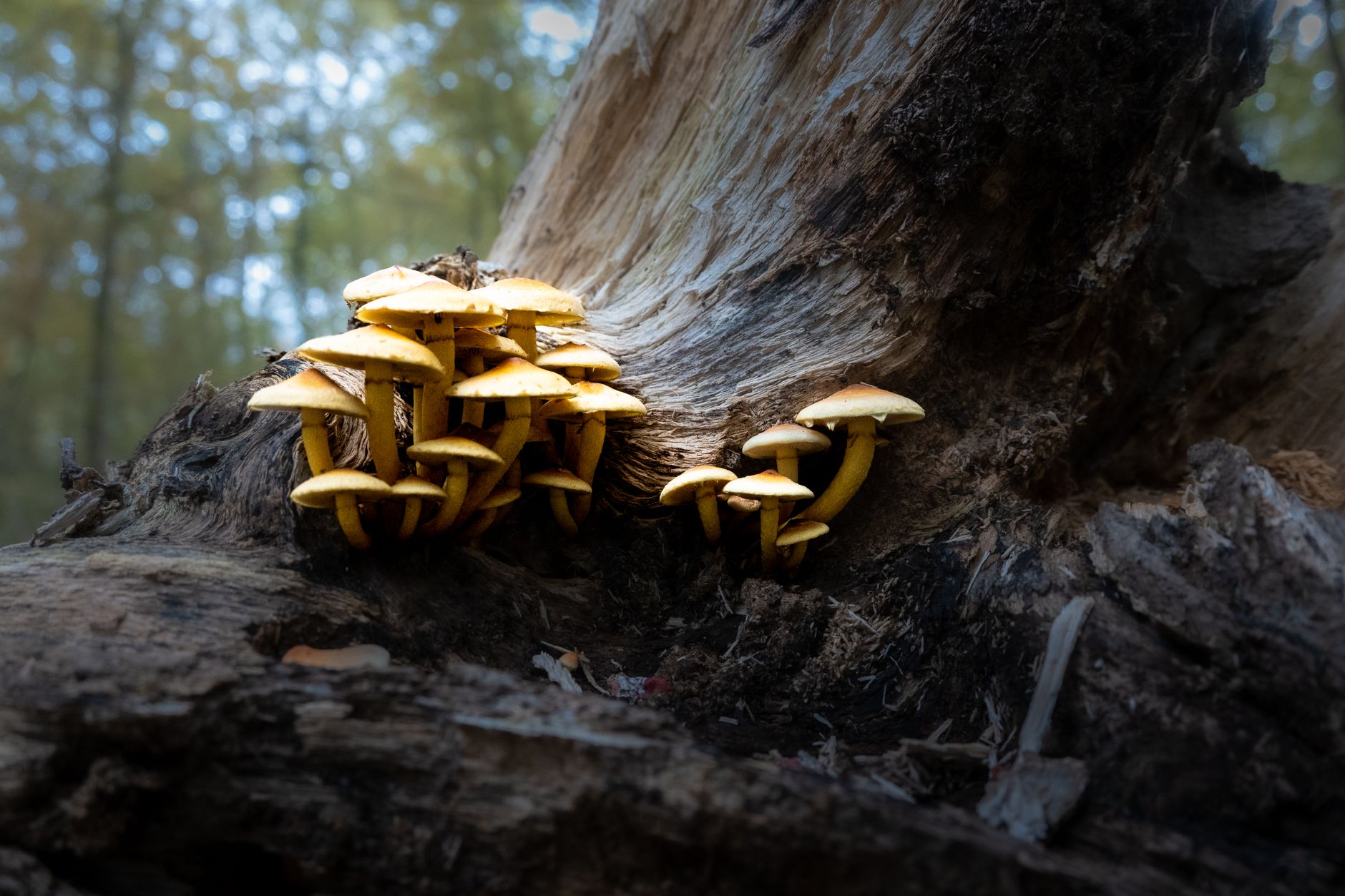
Beneath the forest floor, trees are connected by a vast fungal network that scientists call the "wood wide web." Mycorrhizal fungi attach to tree roots and form threads that extend outward, linking individual trees across surprising distances. Through this network, trees transfer nutrients, water, and chemical signals to one another. A mother tree can actually send carbon to her seedlings through these fungal connections, even reducing her own root competition to help them survive. Trees also use the network to warn neighbors about insect attacks by sharing chemical compounds, prompting nearby trees to boost their own defensive enzymes before pests arrive. Research by Dr. Suzanne Simard demonstrated that trees don't simply compete for resources in isolation, but actively cooperate and support each other. The fungal partners benefit too, receiving sugars from the trees in exchange for enhanced nutrient absorption. This discovery has fundamentally changed how scientists understand forest ecosystems. What appeared to be individual organisms struggling independently turns out to be a collective intelligence system, where trees can prioritize which seedlings receive help based on kinship and need. The network operates constantly, invisible to us, reshaping our understanding of plant behavior and forest resilience.