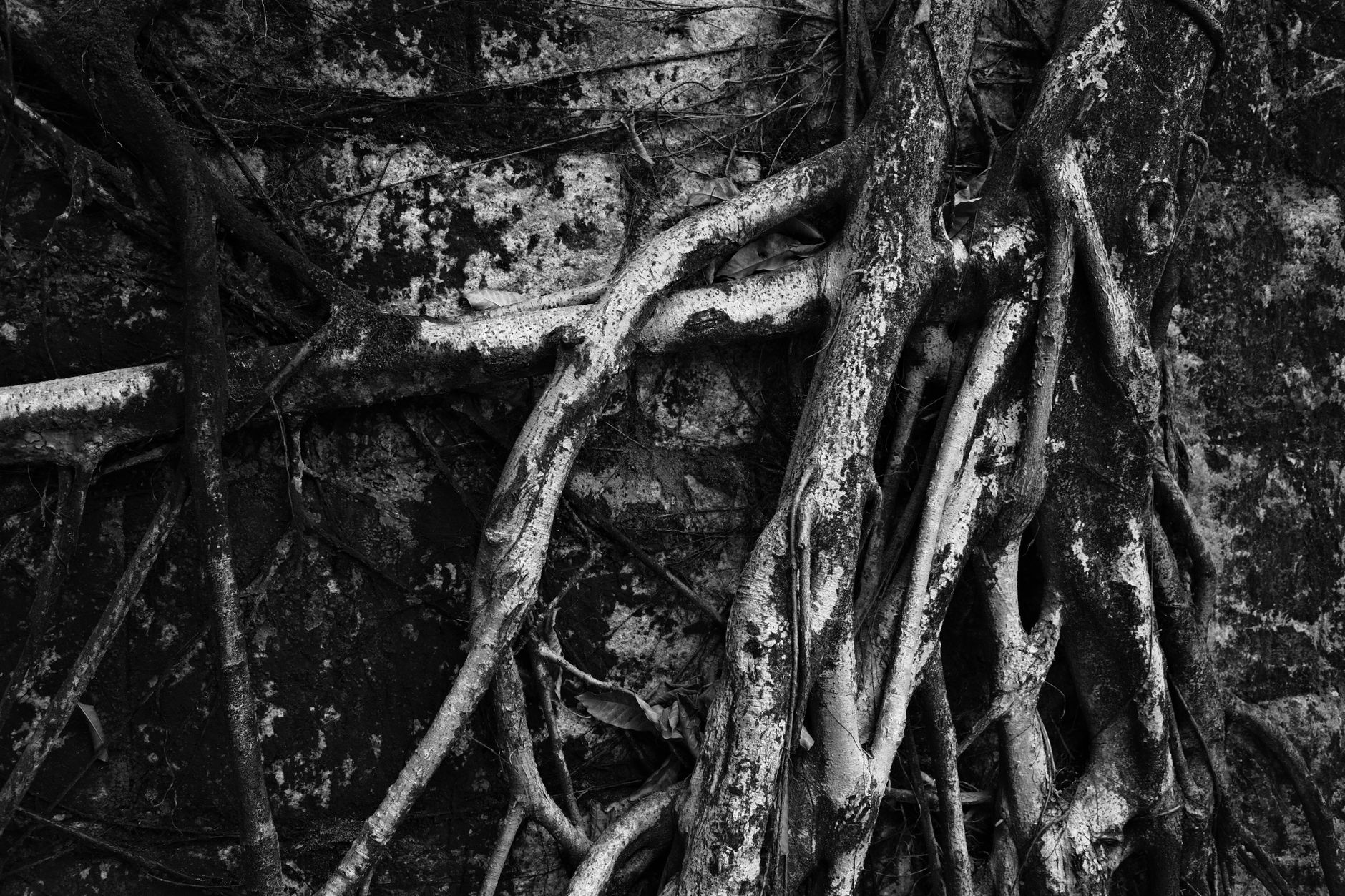
Trees Share Nutrients Through an Underground "Wood Wide Web"
Beneath the forest floor exists a hidden communication network that would astound any tech pioneer. Through mycorrhizal fungi—thread-like organisms colonizing tree roots—trees actively exchange nutrients, water, and chemical signals with one another. A mother tree can identify her own seedlings and preferentially send them carbon and nutrients, while simultaneously reducing competition from unrelated trees. Scientists discovered this by tracking radioactive isotopes moving between trees, proving it wasn't accidental but deliberate resource transfer. Trees even warn neighbors of insect attacks by transmitting chemical alarm signals through the fungal network. A single fungal network can connect hundreds of trees across acres, creating what researcher Suzanne Simard calls the "wood wide web." This challenges our understanding of trees as isolated organisms—they're actually collaborative participants in a vast underground economy. Mature trees can transfer up to 40% of their carbon reserves to younger trees, essentially sacrificing their own growth to nurture the forest's future. This symbiotic relationship reveals that forests function as superorganisms, not collections of individuals, fundamentally reshaping how we understand plant biology and forest ecology.