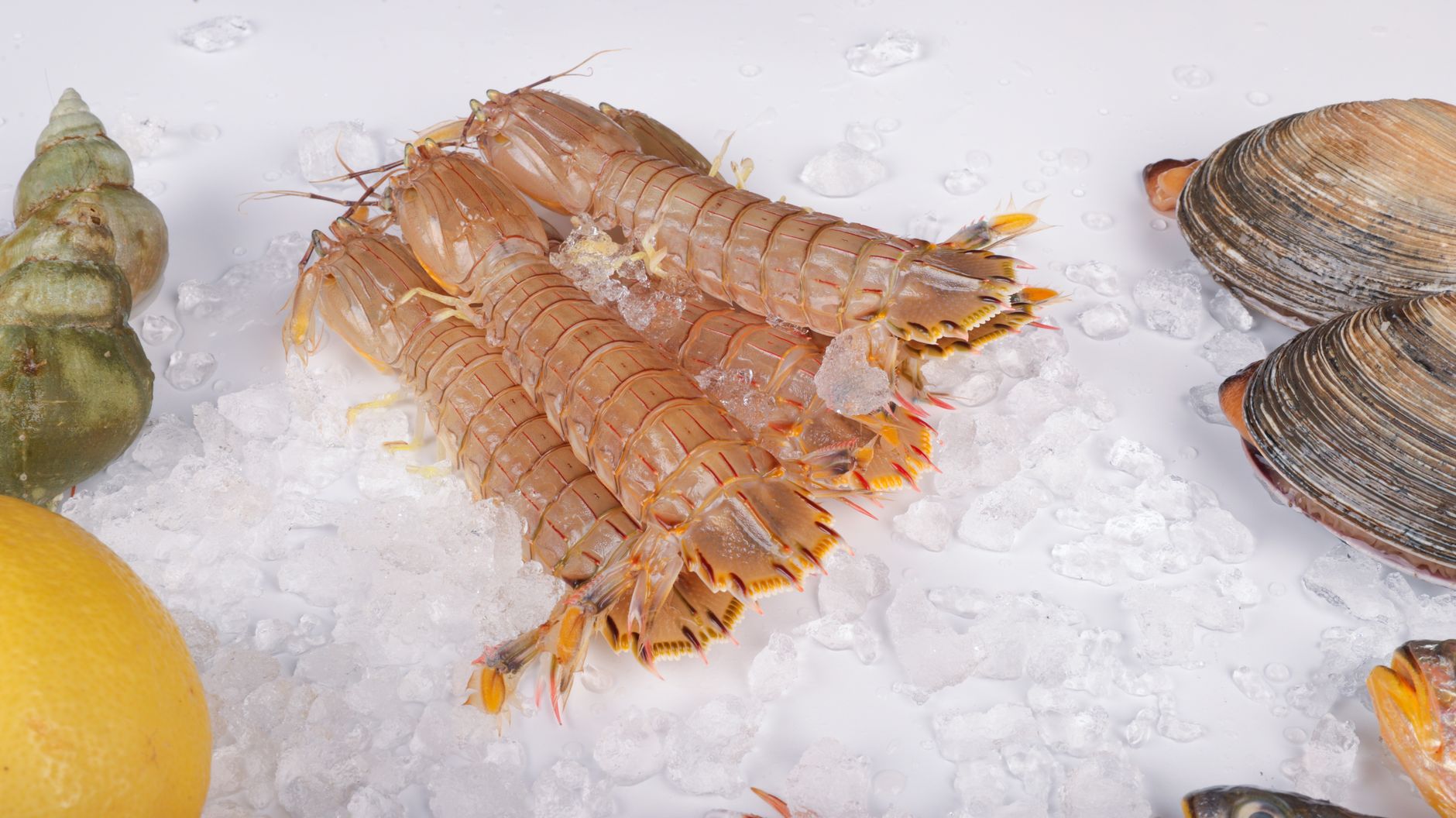
The Mantis Shrimp's Nightmare Vision: 16 Color Receptors vs Our 3
While humans see color through just three types of color receptors (red, green, blue), the mantis shrimp possesses up to 16 different types of photoreceptors, giving it the most complex color vision in the animal kingdom. Yet scientists discovered something paradoxical: despite this superhuman visual capability, mantis shrimp appear to make color decisions in milliseconds using a simple system that ignores subtle gradations humans can easily distinguish. Researchers theorize the shrimp's brain uses a 'color classification' system rather than detailed color comparison—essentially a biological shortcut. Each photoreceptor type lets them instantly recognize specific wavelengths, crucial for hunting in murky ocean depths where speed matters more than precision. This means the mantis shrimp sees colors we can't even imagine, but processes them more simply than we do. They can also see ultraviolet, visible, and polarized light simultaneously, plus detect rapid color changes invisible to humans. Found in tropical coral reefs, these 10-inch predators use their extraordinary vision to identify prey, communicate with mates through colorful body patterns, and navigate complex underwater environments. Their eyes move independently like a chameleon's, and each eye can work separately to process different visual information—essentially giving them two brains for sight alone.