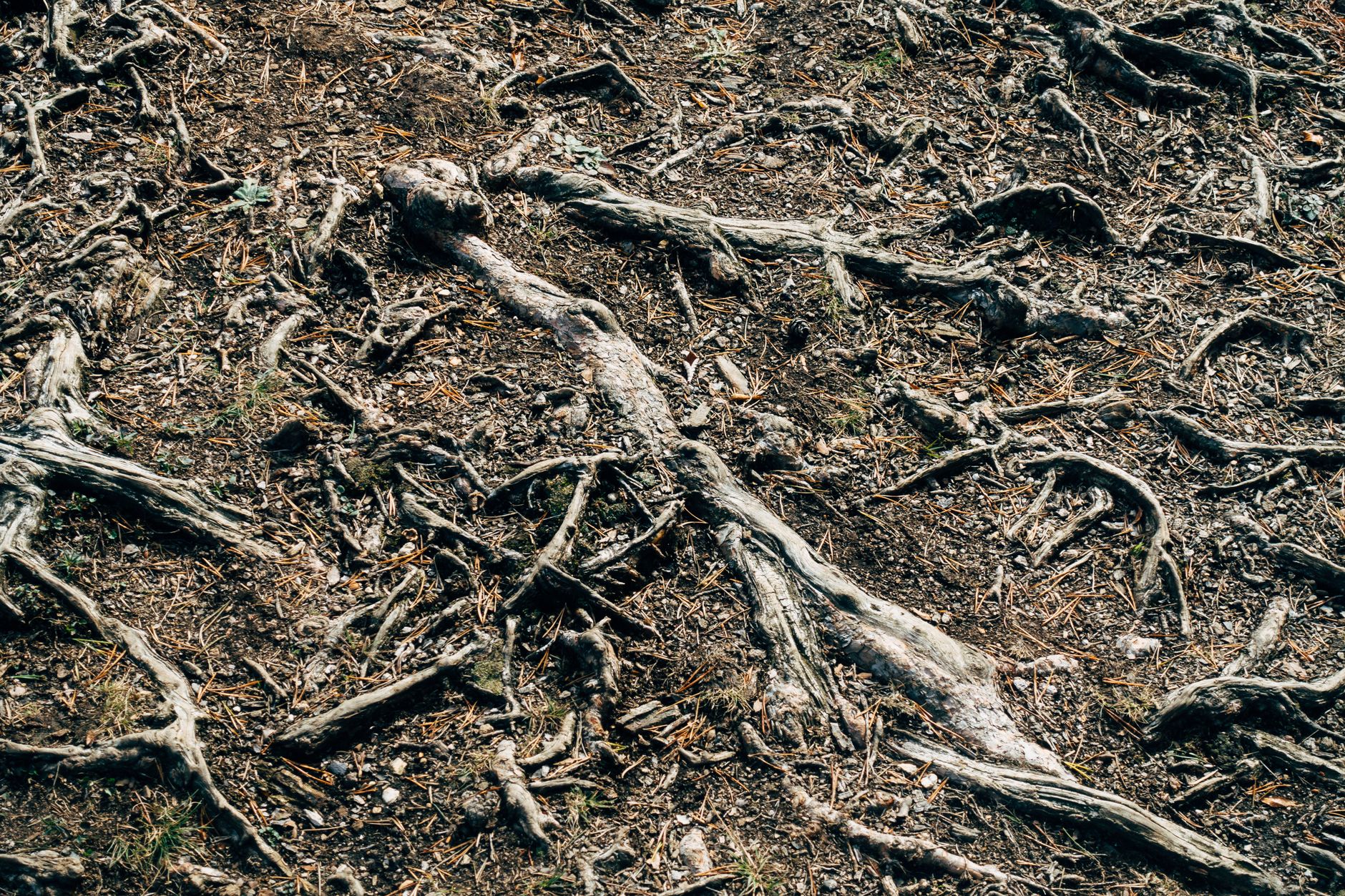
Trees Can "Talk" Through Underground Fungal Networks
Beneath the forest floor exists a hidden communication superhighway called the "Wood Wide Web." Through symbiotic relationships with mycorrhizal fungi, trees can send chemical signals, nutrients, and even warning messages to neighboring trees—sometimes across different species. When a tree is attacked by insects, it can transmit defense signals through fungal networks to prepare nearby trees for similar threats. Mother trees can also nurture their offspring and struggling neighbors by redirecting nutrients through these underground connections. This discovery, extensively documented by forest scientist Suzanne Simard, fundamentally changed how we understand tree behavior. Trees aren't isolated organisms passively rooted in soil; they're social beings engaged in complex cooperative relationships. The fungi benefit too, receiving sugars from photosynthesis in exchange for helping trees absorb water and nutrients from the soil. Some researchers estimate that up to one-third of the sugars produced by trees may be transferred to fungal partners. This interconnected network means that harming one tree can ripple through an entire forest ecosystem, while protecting old-growth forests preserves these crucial communication systems that took decades to establish.