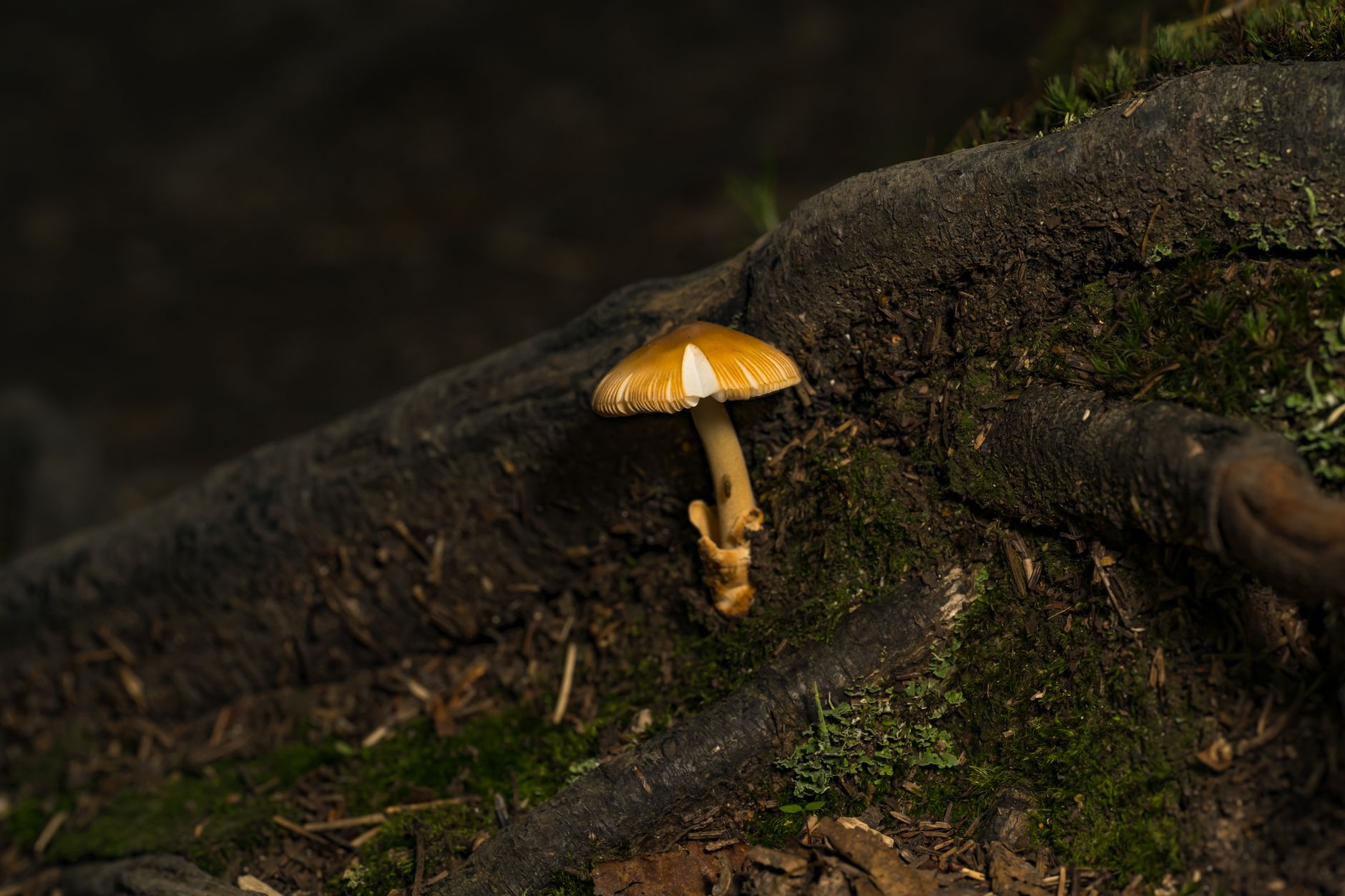
Trees Can Talk Underground Using a Fungal Network
Beneath the forest floor, trees are connected by threadlike fungal networks that scientists call the "wood wide web." These fungal filaments, called mycorrhizae, attach to tree roots and extend outward into the soil, linking individual trees across vast distances. Through this network, trees can send chemical signals, nutrients, and even carbon compounds to one another. A mother tree can identify her own seedlings and send them extra resources. Stressed trees can alert neighbors to pest attacks, triggering chemical defenses before insects arrive. Older, larger trees sometimes appear to support younger or struggling ones by funneling them sugars and nitrogen through the fungal connections. This isn't altruism in the human sense, but rather a form of mutual benefit. Trees gain access to nutrients from fungi in exchange for carbohydrates produced during photosynthesis. The fungi benefit too, receiving food from the trees. Research has shown that trees will even move resources toward seedlings in greater need, suggesting some form of kin recognition. This discovery fundamentally changed how scientists understand forests, revealing them not as collections of individual competitors but as interconnected communities where survival depends on cooperation. The network operates silently and continuously, reshaping our understanding of plant intelligence and communication.