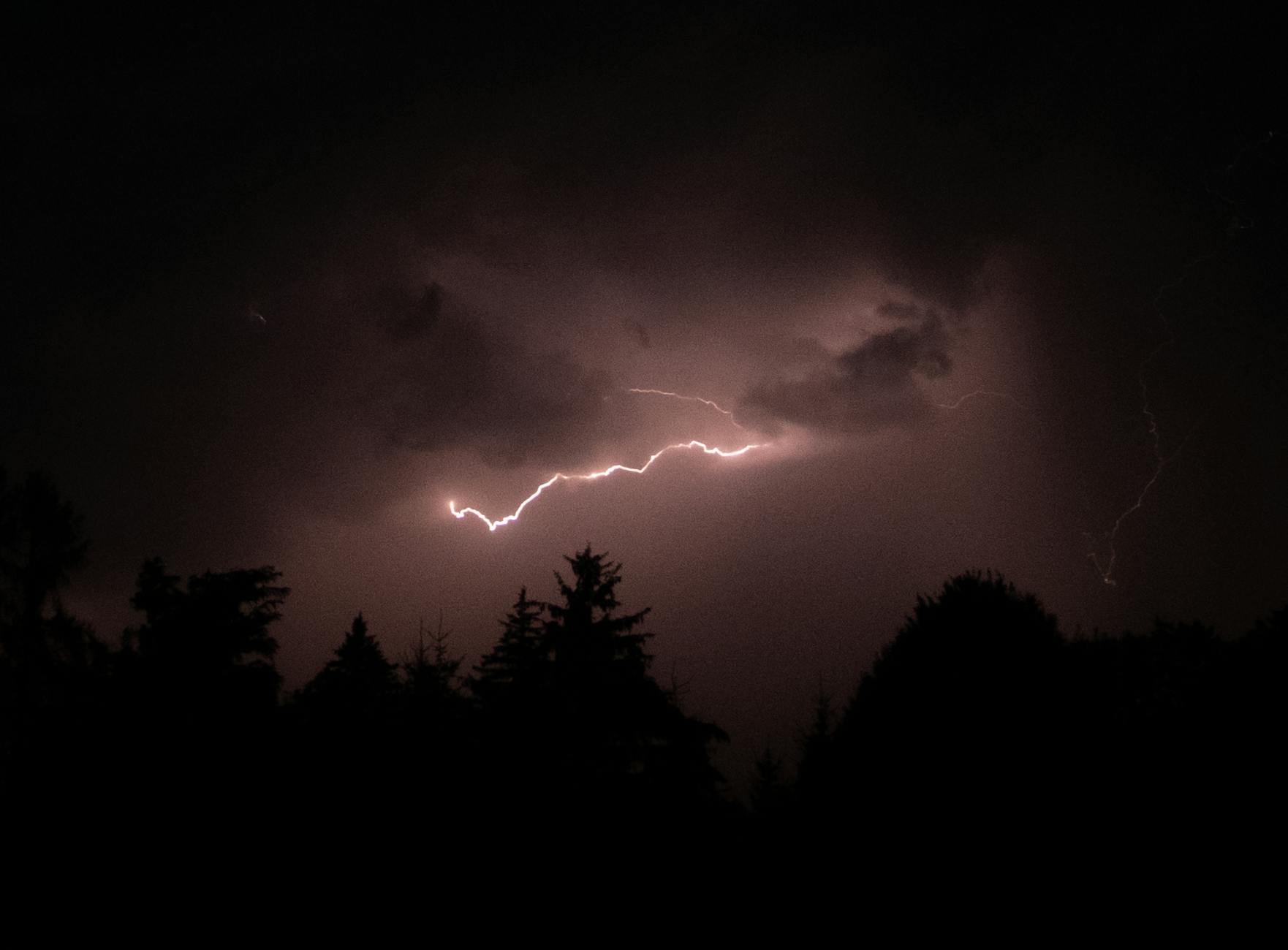
Lightning Strikes Hotter Than the Sun's Surface
A single lightning bolt can reach temperatures of approximately 30,000 Kelvin (53,540°F or 29,727°C), making it roughly five times hotter than the surface of the sun, which burns at about 5,500 Kelvin. This extreme heat causes the air surrounding the lightning channel to expand so rapidly that it creates the thunderous sound we hear during storms. The intense energy is generated by the electrical discharge between clouds and the ground, or between clouds themselves, in a fraction of a second. This phenomenon occurs because the electrical potential difference between storm clouds and the earth can exceed 100 million volts. Interestingly, despite this incredible temperature, most people who are struck by lightning survive, though they often sustain serious injuries. The brief duration of the strike—typically lasting only about 200 microseconds—means the heat doesn't always cause fatal damage. Lightning also creates fulgurites, hollow glass tubes formed when the extreme heat fuses sand and soil together. These natural occurrences happen approximately 100 times per second worldwide, with about 24,000 people killed annually by lightning strikes globally.