Lightning Strikes Hotter Than the Sun's Surface
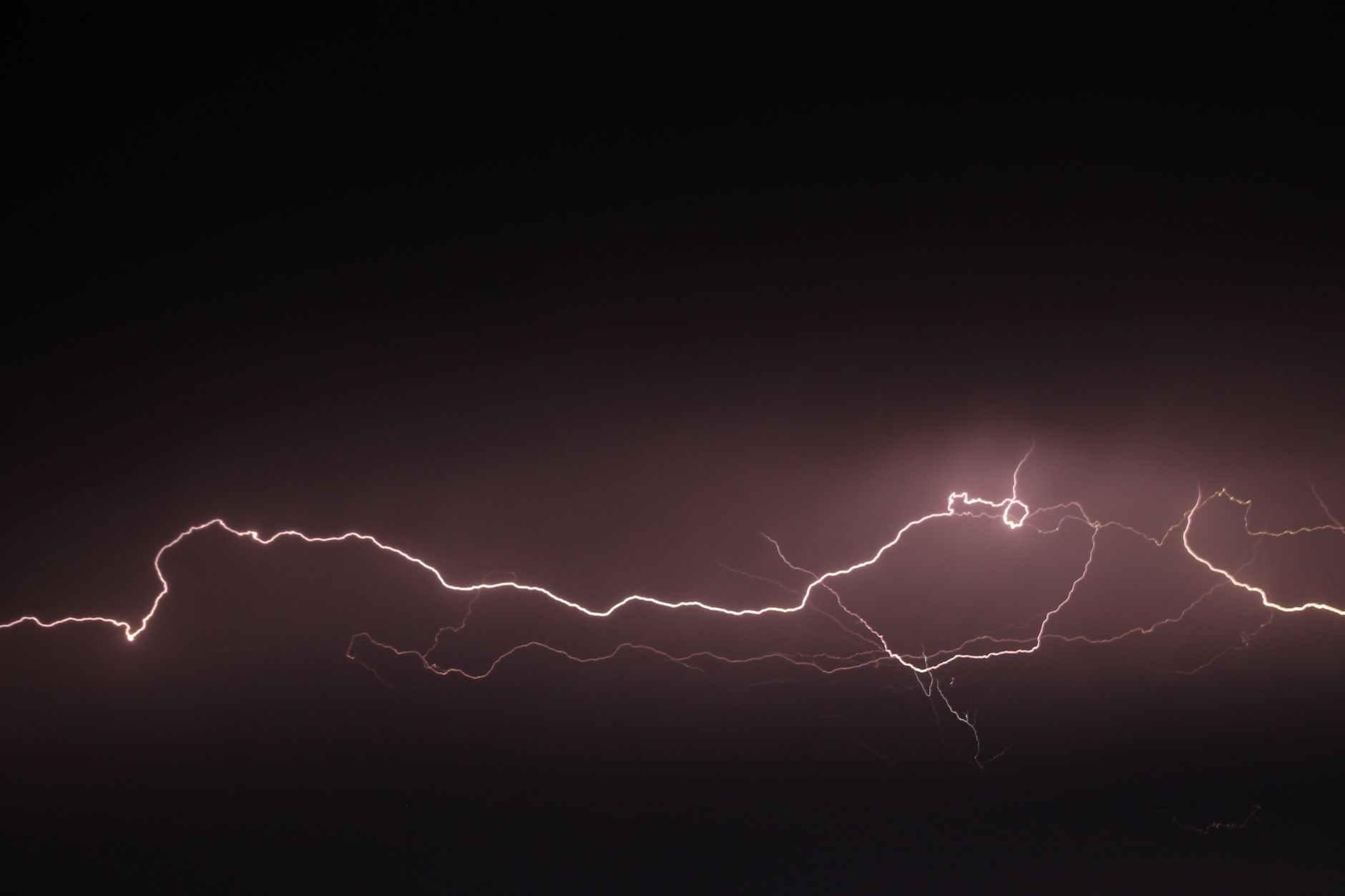
A single lightning bolt can reach temperatures around 30,000 Kelvin, nearly five times hotter than the surface of the sun, which sits at roughly 5,500 Kelvin. This extreme heat happens in a fraction of a second as electrical discharge tears through the atmosphere, ionizing air molecules and creating a plasma channel. The air doesn't just get hot, it expands so violently that it creates a shock wave, which is what you hear as thunder. What makes this even stranger is that lightning doesn't sustain this temperature for long. The entire flash lasts only about 200 milliseconds, and the visible stroke itself takes mere microseconds. Yet in that infinitesimal window, the energy released can power a home for several days. This is why lightning strikes can cause such dramatic damage, from burning tree bark so fast it explodes outward to fusing sand into glass. The heat is so intense that people struck by lightning can suffer severe burns both on the skin and internally, even if they survive. Understanding this extreme temperature is crucial for lightning safety research and improving protection systems for structures and people in storm-prone areas.