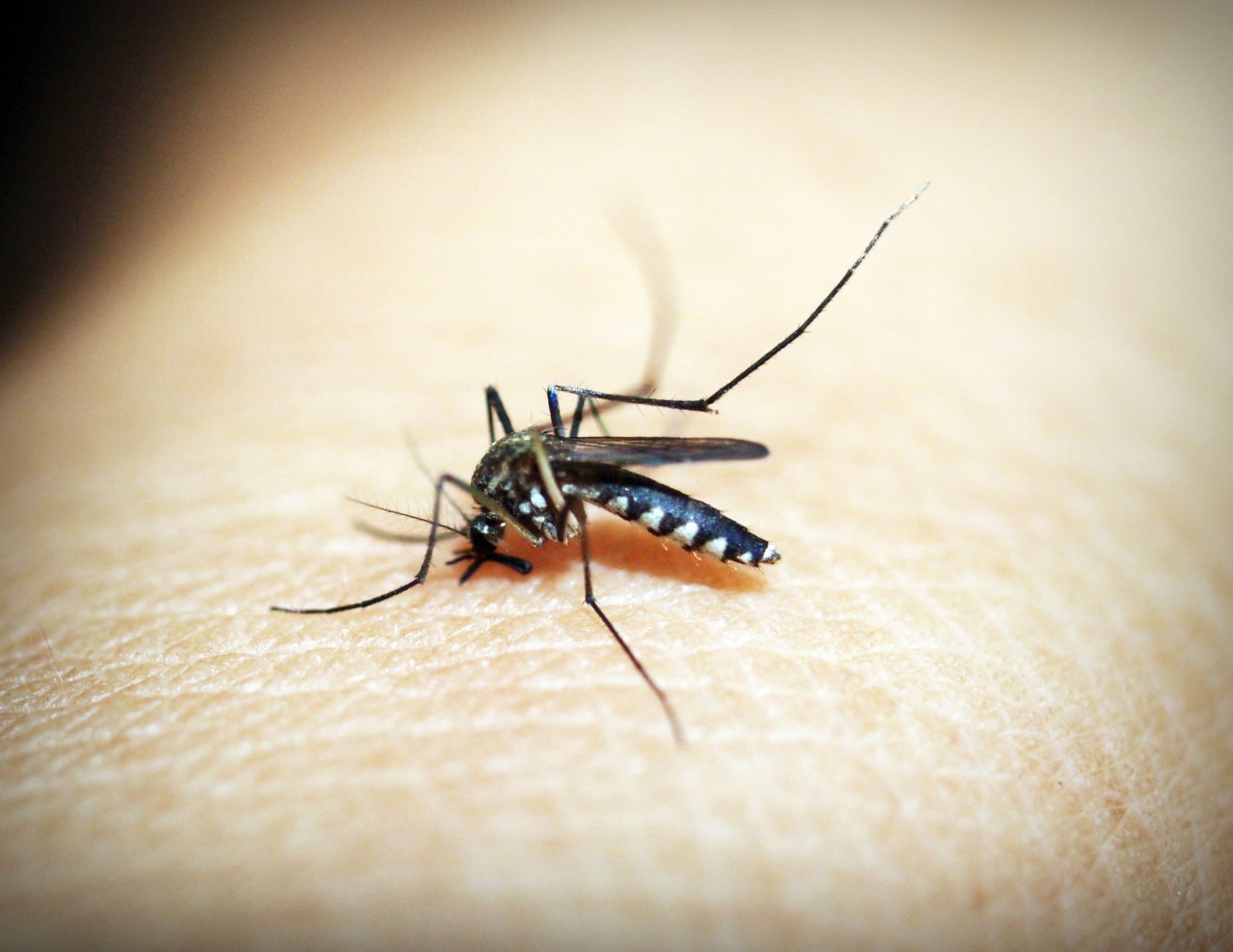
Most male mosquitoes feed on plant nectar and never bite anything in their lives. Only females need blood, and they require it specifically to produce eggs. This means roughly half the mosquito population is completely harmless to humans. The distinction goes further. Some mosquito species have evolved to bite only animals, never humans. The Asian tiger mosquito, despite its fearsome reputation, will actively avoid human hosts if other animals are available. Even more bizarre, certain male mosquitoes have lost the ability to detect carbon dioxide, the very chemical that helps females track down warm bodies. Researchers discovered that a mosquito's mouthparts actually change based on its sex and feeding needs. Females develop needle-sharp proboscises capable of piercing skin, while males retain blunt, brush-like structures suited only for sipping liquids. The female's ability to sense heat, moisture, and body odors develops during the pupal stage, right before she emerges ready to hunt. This sexual dimorphism has practical implications. Scientists exploring mosquito control have investigated ways to breed populations of sterile males, knowing that releasing billions of harmless males into the wild would reduce breeding rates without spraying chemicals. Several countries have already tested this approach with measurable success.