Trees Can 'Talk' Underground Through Fungal Networks
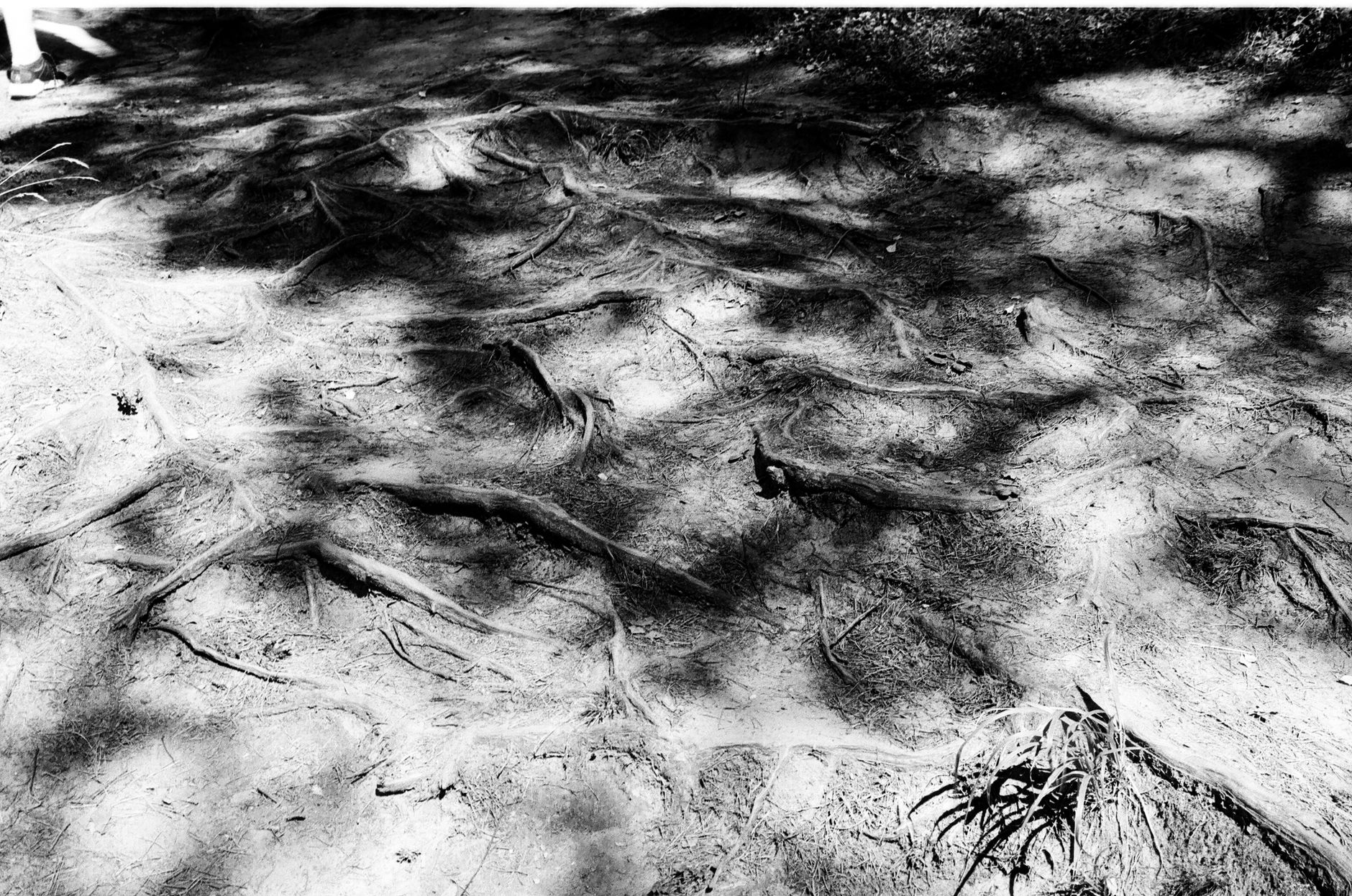
Beneath the forest floor exists a hidden communication system called the 'Wood Wide Web'—a network of mycorrhizal fungi connecting tree roots. Through this underground network, trees exchange nutrients, water, and even chemical signals warning of insect attacks. A mother tree can send carbon to her seedlings through fungal connections, while a tree under pest attack releases chemical distress signals that prompt neighboring trees to boost their own defense compounds before the pests even arrive. Scientist Suzanne Simard's groundbreaking research demonstrated that trees aren't solitary organisms competing for survival, but rather cooperative members of a forest community. Older, established trees can support struggling seedlings, and resource-sharing occurs across different species. This fungal network can span entire forests, with a single fungal network potentially connecting hundreds of trees. The fungi benefit too, receiving sugars from photosynthesis that they cannot produce themselves. This symbiotic relationship fundamentally changed our understanding of forests from competitive ecosystems to collaborative super-organisms. Some researchers now believe forests function more like a single entity than individual trees, challenging the traditional view of plant biology and suggesting trees possess a form of collective intelligence.