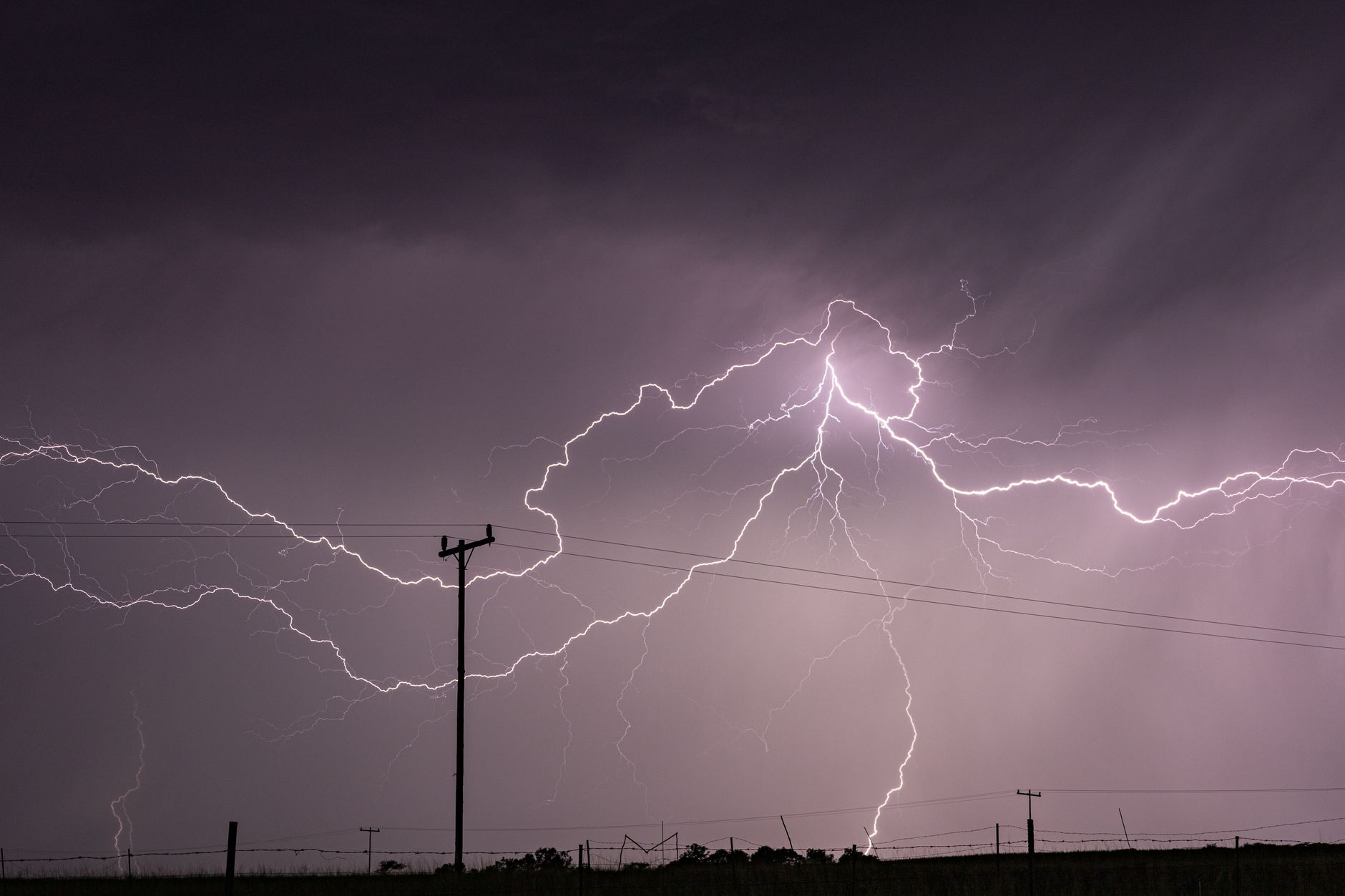
Lightning Strikes Can Turn Sand Into Glass Tubes
When lightning strikes sandy beaches or desert ground, the extreme heat—reaching approximately 30,000 Kelvin (53,540°F)—instantly melts the silica in sand. This creates hollow glass tubes called fulgurites that can extend several meters deep into the earth. These natural glass formations are rare and fragile, shattering easily, yet they provide scientists with a visible record of lightning strikes. Fulgurites have been found on every continent and offer insights into historical lightning patterns and soil composition. The phenomenon was first scientifically documented in the 18th century, though fulgurites have existed as long as lightning itself. Some specimens are perfectly preserved and have become sought-after geological curiosities. The largest fulgurites ever recorded measured over 15 feet in length. These glass tubes demonstrate the incredible power of lightning—a single strike releases more energy than a ton of TNT. Interestingly, fulgurites occasionally contain trapped air pockets and mineral deposits, making each one geologically unique. While most fulgurites are found in sandy environments, they can also form in other materials like soil or even tree roots. This striking example of nature's extreme weather creating permanent geological formations reminds us of the raw power contained within a single lightning bolt.