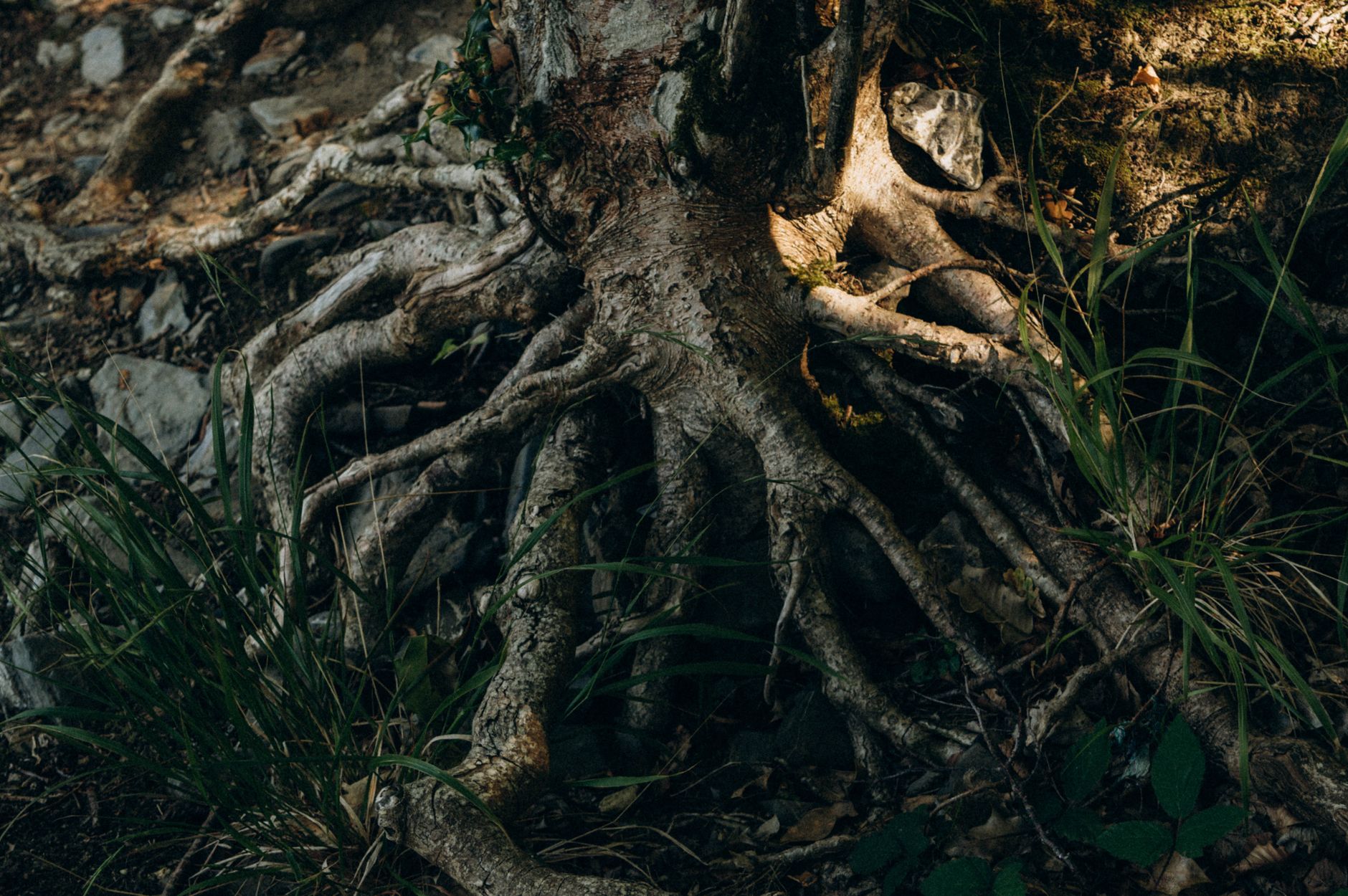
Trees Can 'Talk' Through Underground Fungal Networks
Beneath our feet exists a hidden communication system that rivals the internet in complexity. Trees are connected through mycorrhizal fungi—threadlike organisms that form symbiotic relationships with tree roots. Scientists call this the 'Wood Wide Web.' Through these fungal networks, trees can send chemical signals, nutrients, and even warning messages about pest attacks to neighboring trees, sometimes across different species. A mother tree can even nurture her own seedlings through preferential nutrient transfer via these networks. Research by forest ecologist Suzanne Simard demonstrated that when a Douglas fir was attacked by insects, it sent defense signals through the fungal network to nearby paper birch trees, which then increased their own defensive compounds. Trees can identify kin from strangers and allocate resources accordingly. This discovery fundamentally changed how scientists understand forests—not as collections of individual trees competing for resources, but as interconnected superorganisms capable of cooperation, communication, and collective survival strategies. The fungal networks can transfer carbon from mature trees to struggling seedlings, effectively keeping young trees alive in low-light forest understories where they couldn't survive on photosynthesis alone.