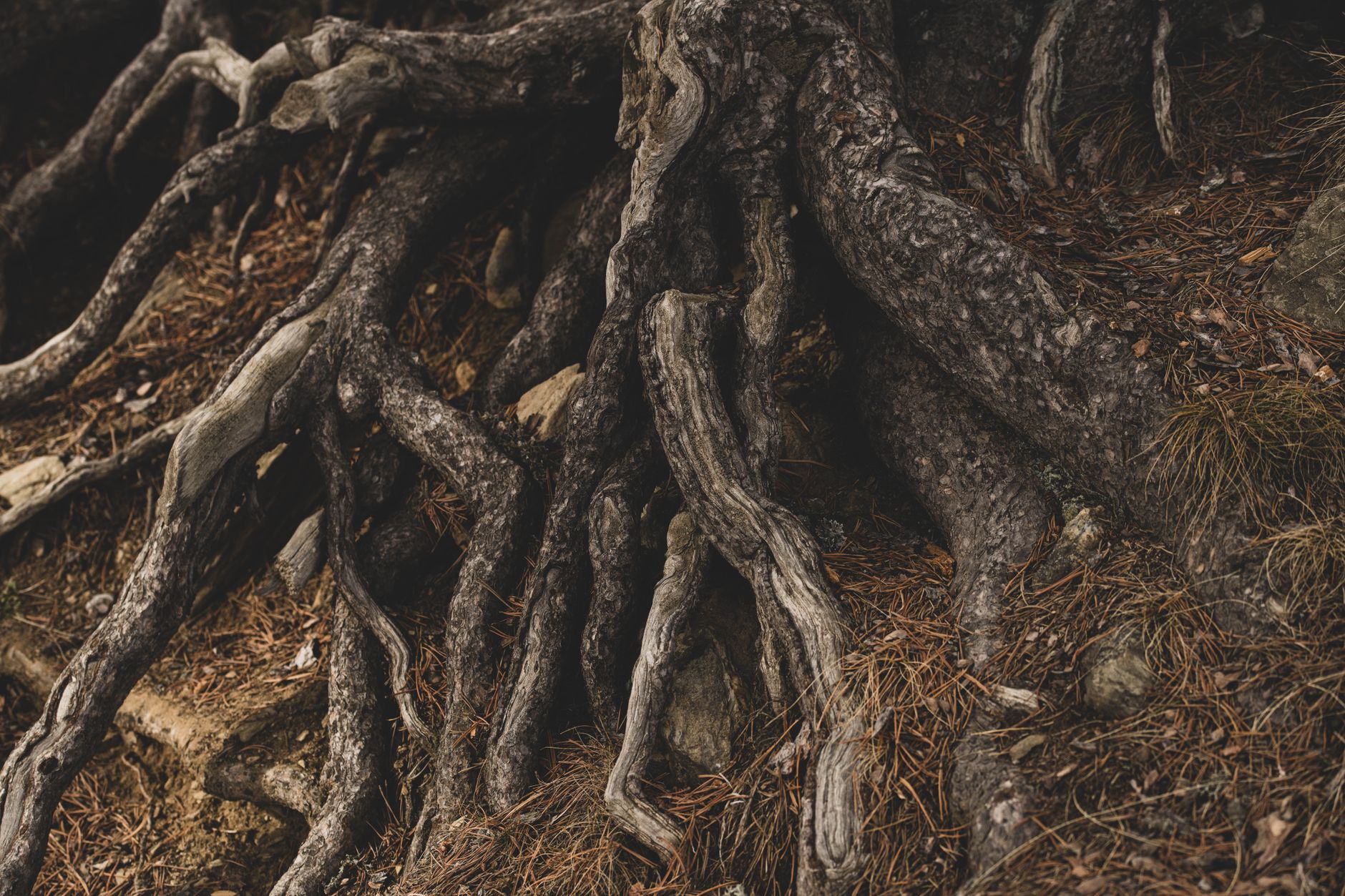
Trees Can Share Food Underground Through a Fungal Network
Beneath the forest floor, trees are connected by a vast web of fungal threads called mycorrhizal networks. These networks link the roots of different trees, allowing them to exchange nutrients and even carbon compounds. A mother tree can send carbon to her seedlings through these underground channels, essentially feeding her offspring. Scientists have documented trees sharing resources with neighbors, and in some cases, supporting weaker or shaded trees by transferring sugars produced during photosynthesis. The fungus acts as a middleman, receiving carbohydrates from the tree in exchange for water and minerals it gathers from the soil. This isn't one-way traffic either. When a tree is damaged or stressed, it can actually send alarm signals through the network, prompting neighboring trees to boost their chemical defenses. The system is so sophisticated that researchers call it the "wood wide web." These networks can span entire forests, connecting hundreds of trees across acres. The discovery has fundamentally changed how scientists understand forests, showing they function less like collections of individual competitors and more like cooperative communities. Trees aren't simply fighting for survival alone, they're part of an interconnected system where resources flow between them based on need and availability.