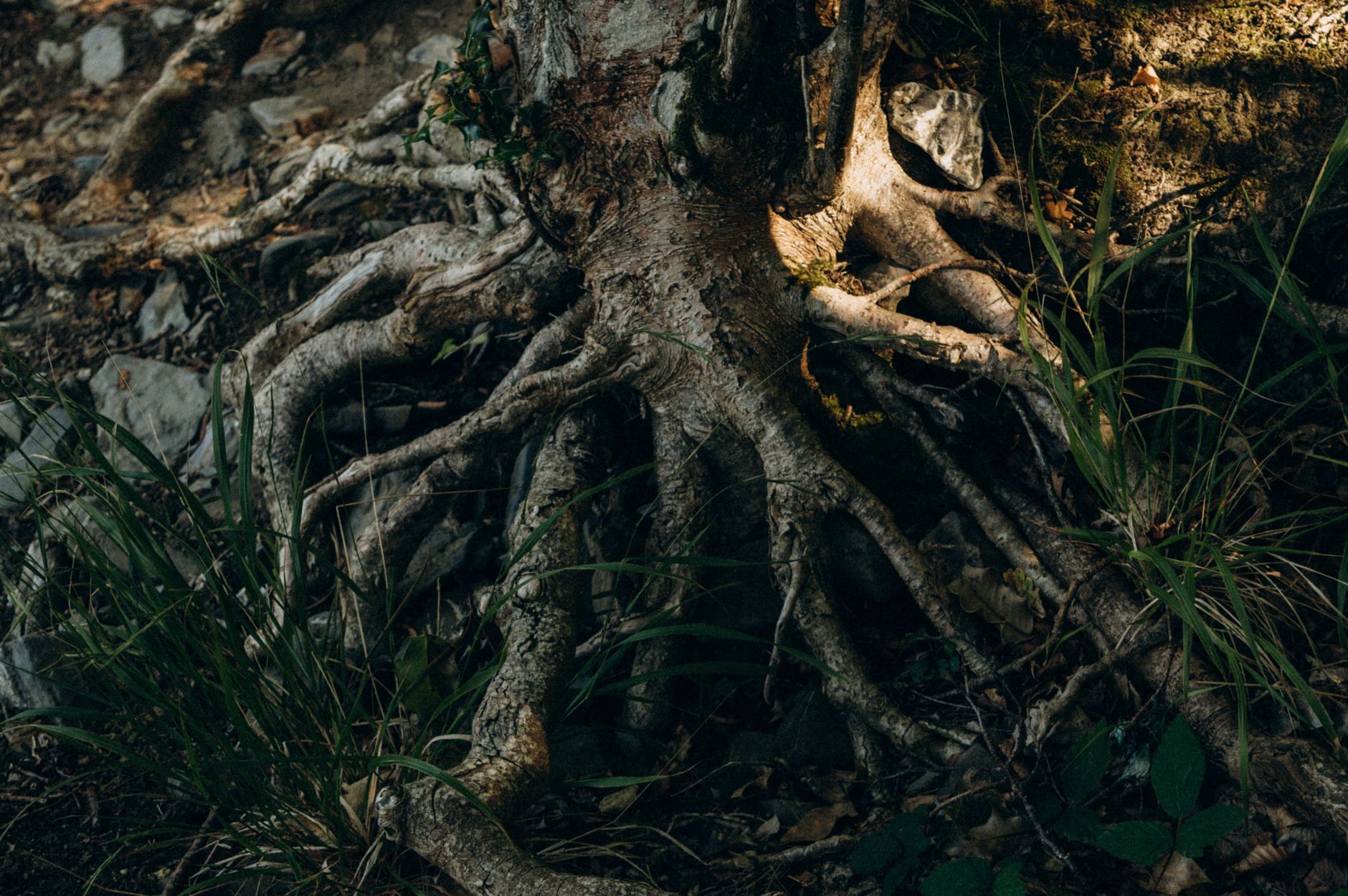
Trees Can "Talk" Underground Through Fungal Networks
Beneath the forest floor lies an astonishing communication system that scientists call the "Wood Wide Web." Trees are connected through networks of mycorrhizal fungi—microscopic threads that attach to tree roots and create underground pathways. Through these fungal networks, trees can share nutrients, water, and chemical signals with neighboring trees, even across different species. When a tree is attacked by insects or disease, it sends warning signals through the fungal network to alert nearby trees. Those trees then boost their chemical defenses preemptively, before pests even reach them. Additionally, trees can transfer excess carbon and nutrients to weaker or younger trees in their network, essentially "nursing" them back to health. Research by Dr. Suzanne Simard demonstrated that a mother tree can recognize and favor her own offspring, sending them more resources than to unrelated seedlings. This challenges our understanding of plants as passive organisms and suggests they possess a form of awareness and intentional cooperation. The fungal networks can span entire forests—the largest organism on Earth is actually a honey fungus in Oregon that covers 2,384 acres and connects thousands of trees in a single network.