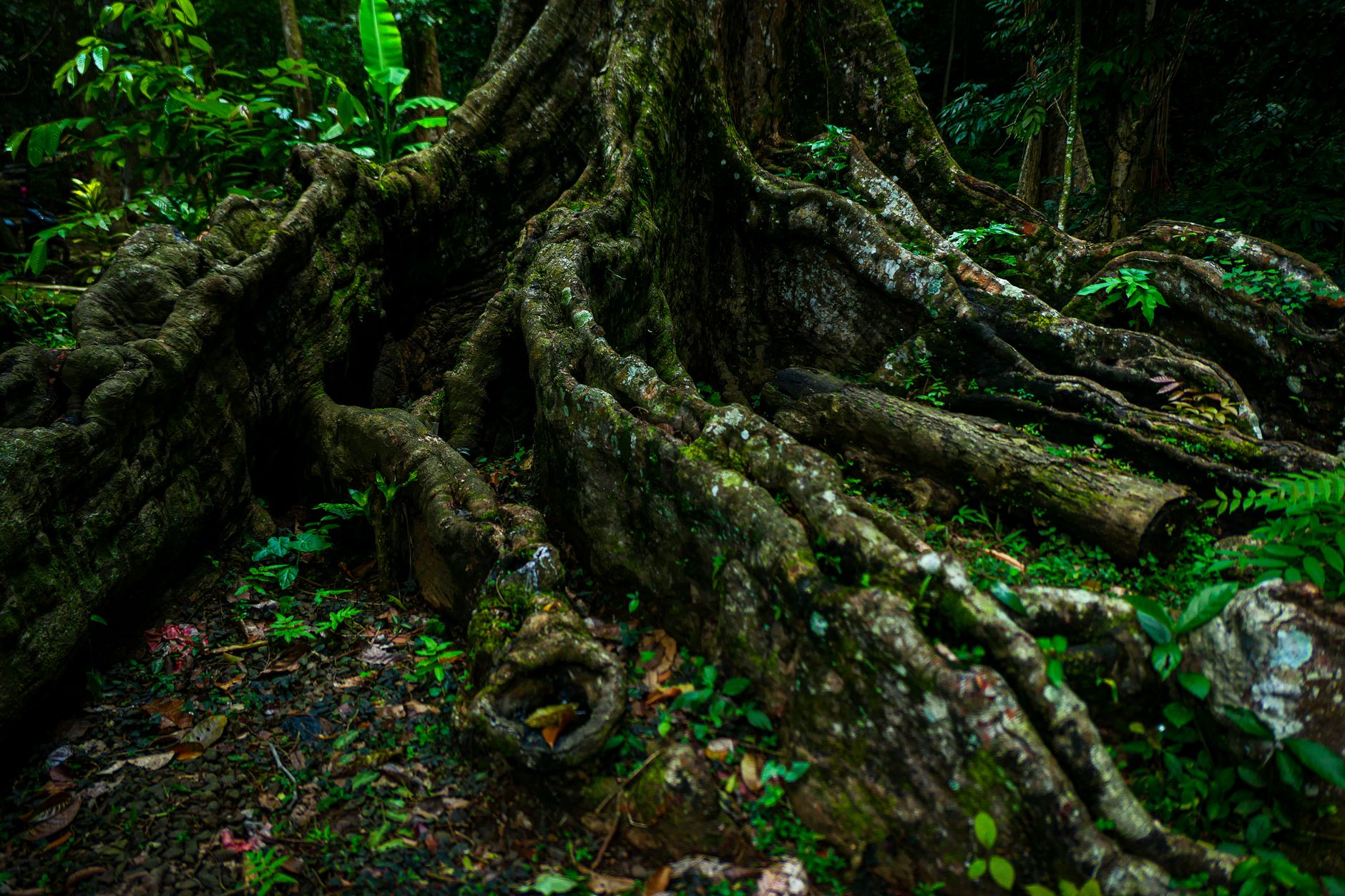
Trees Can Send Distress Signals Through Underground Networks
When a tree is attacked by insects or damaged by disease, it doesn't just suffer in silence. Scientists have discovered that trees communicate through an underground fungal network sometimes called the "wood wide web," sharing chemical distress signals with neighboring trees. When a Douglas fir is being eaten by insects, it releases volatile compounds that travel through fungal threads connected to other trees nearby. Those neighboring trees then boost their own chemical defenses in preparation for potential attack, even before any pest reaches them. The fungal partners in this exchange, called mycorrhizal fungi, benefit by receiving sugars from the tree roots in return. This isn't accidental cooperation. Trees have evolved to recognize the specific chemical signatures of their own species and respond most strongly to kin. A mother tree can even send more resources through the fungal network to her offspring than to unrelated trees. Researchers using radioactive isotopes have traced carbon and nitrogen moving from one tree to another through these networks, confirming the exchange is substantial and purposeful. This challenges the old view of forests as simple collections of individual competitors. Instead, they function as interconnected communities where information flows constantly below the soil surface, allowing trees to warn each other of danger and share resources based on need.