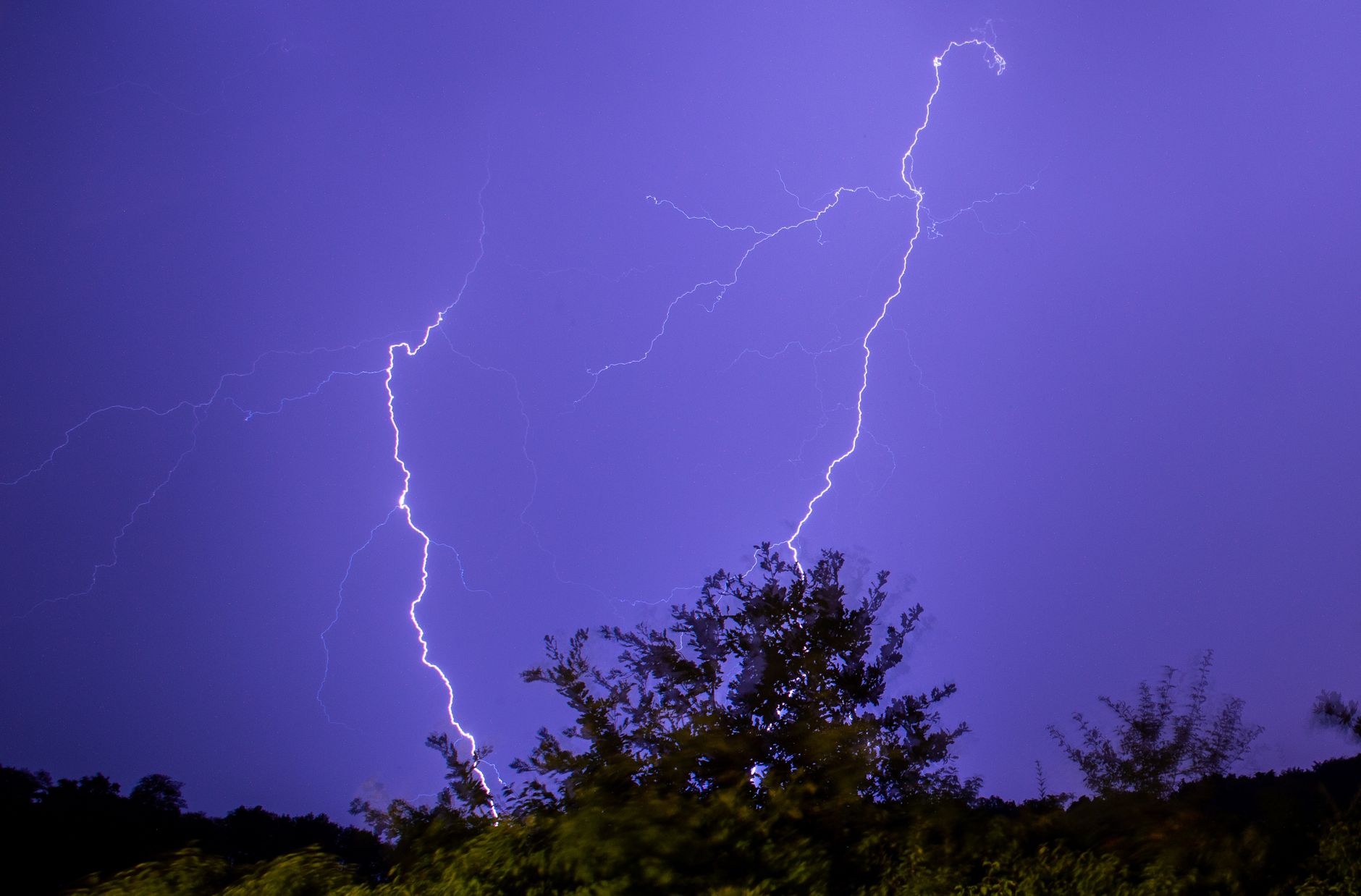
Lightning Bolts Are Actually Cooler Than the Sun's Surface
When lightning strikes, it creates a channel of air heated to approximately 30,000 Kelvin (53,540°F)—nearly five times hotter than the surface of the Sun, which burns at about 5,778 Kelvin. This extreme heat causes the air to expand so rapidly that it creates a shock wave, which is the thunder we hear. The entire lightning strike, from initiation to completion, lasts only about 0.2 seconds, yet it releases energy equivalent to thousands of kilowatt-hours. Despite this intense heat, lightning doesn't always kill because the duration is so brief that the human body doesn't have time to be completely cooked. However, the electrical current can still cause severe burns, cardiac arrest, and neurological damage. Interestingly, about 90% of lightning strike survivors survive, though many experience long-term effects. The extreme temperature also causes nitrogen and oxygen in the air to chemically react, producing nitrogen oxides that eventually become nitric acid, which falls as acid rain—making lightning storms critical for the nitrogen cycle in ecosystems. This phenomenon demonstrates how extreme weather events involve physics and chemistry operating at scales most people never witness directly.