Underwater Sounds Travel Four Times Faster Than in Air
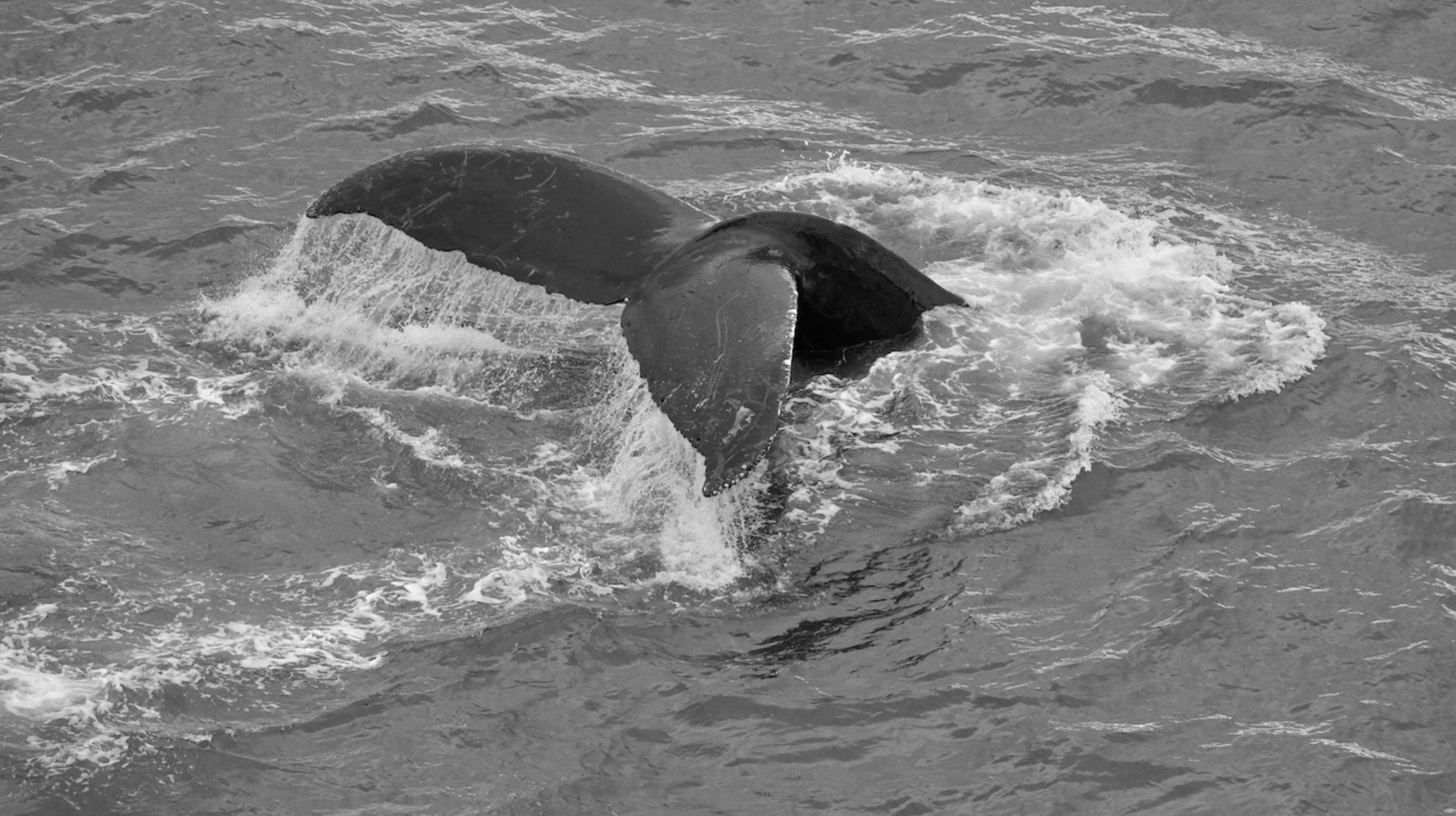
Sound moves through water at roughly 1,500 meters per second, compared to about 340 meters per second in air. This speed difference fundamentally changes how underwater creatures navigate and communicate. Whales can hear each other across entire ocean basins because sound carries so much farther and faster in water, allowing a blue whale's call to travel thousands of miles without significant degradation. This property also means that underwater explosions, ship propellers, and sonar systems create acoustic pollution that can disorient marine mammals and interfere with their ability to find food or mates. The reason for this speed difference is density. Water molecules are packed much closer together than air molecules, so sound waves encounter less resistance and can oscillate through the medium more efficiently. This same principle explains why swimmers underwater hear muffled sounds from above the surface, even though sound is technically moving faster below. The acoustic environment of the ocean is so rich that some researchers compare it to a crowded concert hall, where countless creatures produce clicks, whistles, and rumbles that layer on top of one another. The discovery that human-generated underwater noise has become a significant stressor for marine life emerged only in the last few decades, yet it now ranks among the top threats to ocean biodiversity.