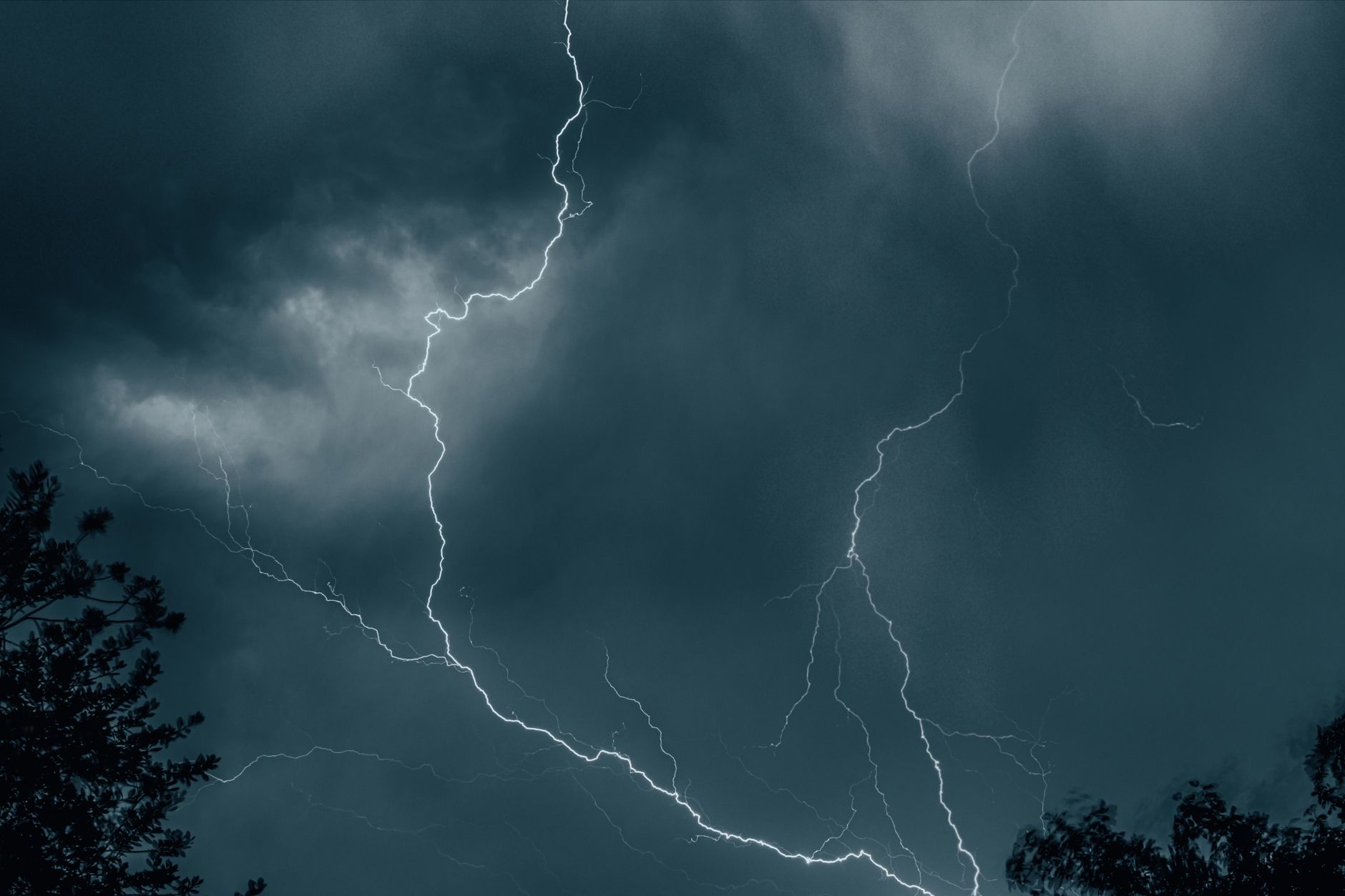
Lightning Can Strike the Same Place Twice, Much More Often Than Myth Suggests
The old saying that lightning never strikes the same place twice is backwards. Lightning actually has a strong preference for hitting the same locations repeatedly, especially tall structures and geographic high points. The Empire State Building gets struck about 20 to 25 times per year. Florida's Lakeland area experiences lightning so frequently that it holds the record for most lightning strikes per square mile in the United States. Scientists discovered this pattern by studying lightning strike data and realized that certain spots, particularly those at elevation or with specific electrical properties in the ground, act like magnets for electrical discharge. During a single storm, the same tall object might be hit dozens of times. This happens because lightning doesn't just randomly search the sky for a target. It follows the path of least electrical resistance, and once a location proves effective at completing a circuit between cloud and ground, that same path becomes more likely to be used again as subsequent lightning bolts develop. Understanding this has practical implications for lightning protection. Engineers now design structures to channel repeated strikes safely rather than hoping to avoid them entirely. The Eiffel Tower, another lightning magnet, receives about five strikes annually and uses this knowledge to funnel electricity harmlessly into the ground.