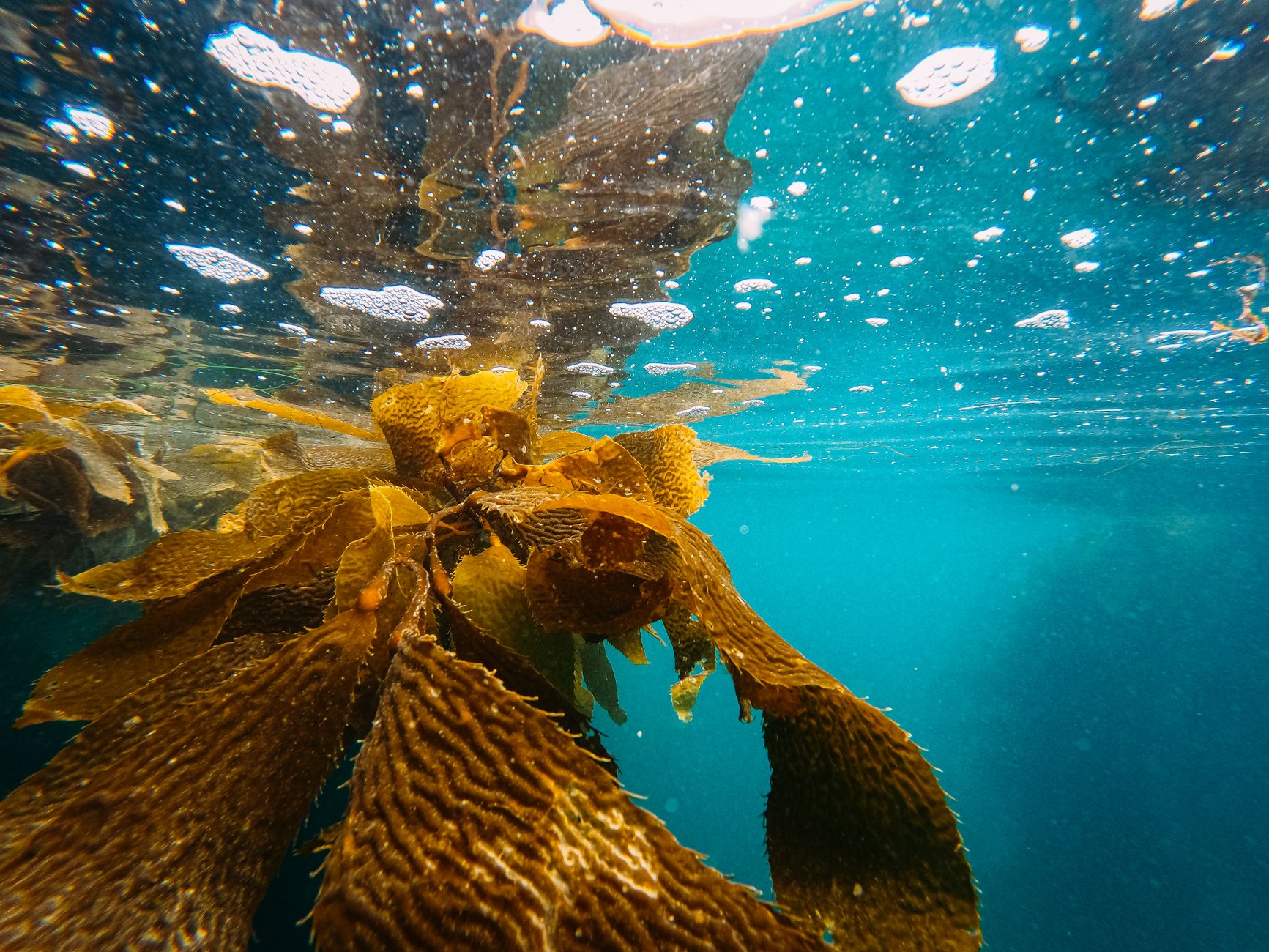
Kelp forests are among the fastest-growing organisms on Earth, capable of growing up to 2 feet per day under ideal conditions. This remarkable growth rate surpasses most terrestrial plants, including rainforest vegetation. Found in cold, nutrient-rich ocean waters, particularly along the coasts of North America, Europe, and Asia, kelp forests create complex underwater ecosystems that rival rainforests in biodiversity and ecological importance. Despite lacking roots, stems, and leaves like traditional plants, kelp is a brown algae that photosynthesizes efficiently using specialized structures called holdfasts to anchor to rocky seafloors. These underwater forests absorb carbon dioxide at rates comparable to or exceeding terrestrial forests, making them crucial carbon sinks in combating climate change. A single mature kelp forest can sequester more carbon than many land-based ecosystems. Kelp forests support thousands of species, from microscopic organisms to sea otters, fish, and seals. The ecosystem is so productive that it generates oxygen and food sources that sustain marine life for miles around. However, kelp forests face threats from warming ocean temperatures, sea urchin overpopulation, and pollution. Some regions have experienced catastrophic kelp forest collapse, resulting in barren underwater landscapes called 'urchin barrens.' Conservation efforts are now underway to restore these vital ecosystems and harness their potential in sustainable food production and carbon sequestration.