Bioluminescent Underwater Creatures: Nature's Living Light Show
Most fish can't see red light, so a deep-sea anglerfish uses a red headlamp to hunt prey that have no idea they're being stalked. That's just one mind-bending trick from the ocean's most dazzling residents: creatures that manufacture their own light in complete darkness.
The deep sea is pitch black. Sunlight dies around 1,000 meters down, yet somehow this alien world glows with ethereal blues, greens, and reds. These aren't reflections or tricks of the eye—they're produced by living organisms performing one of nature's most jaw-dropping chemical magic acts.
How Deep-Sea Bioluminescence Actually Works
Bioluminescent underwater creatures create light through a chemical reaction inside their bodies. A protein called luciferin combines with oxygen and an enzyme called luciferase, producing photons—actual light particles.
Think of it like a biological lightbulb that runs on chemistry instead of electricity. The reaction happens in specialized light organs called photophores, which dot the bodies of thousands of deep-sea species like constellations across living skin.
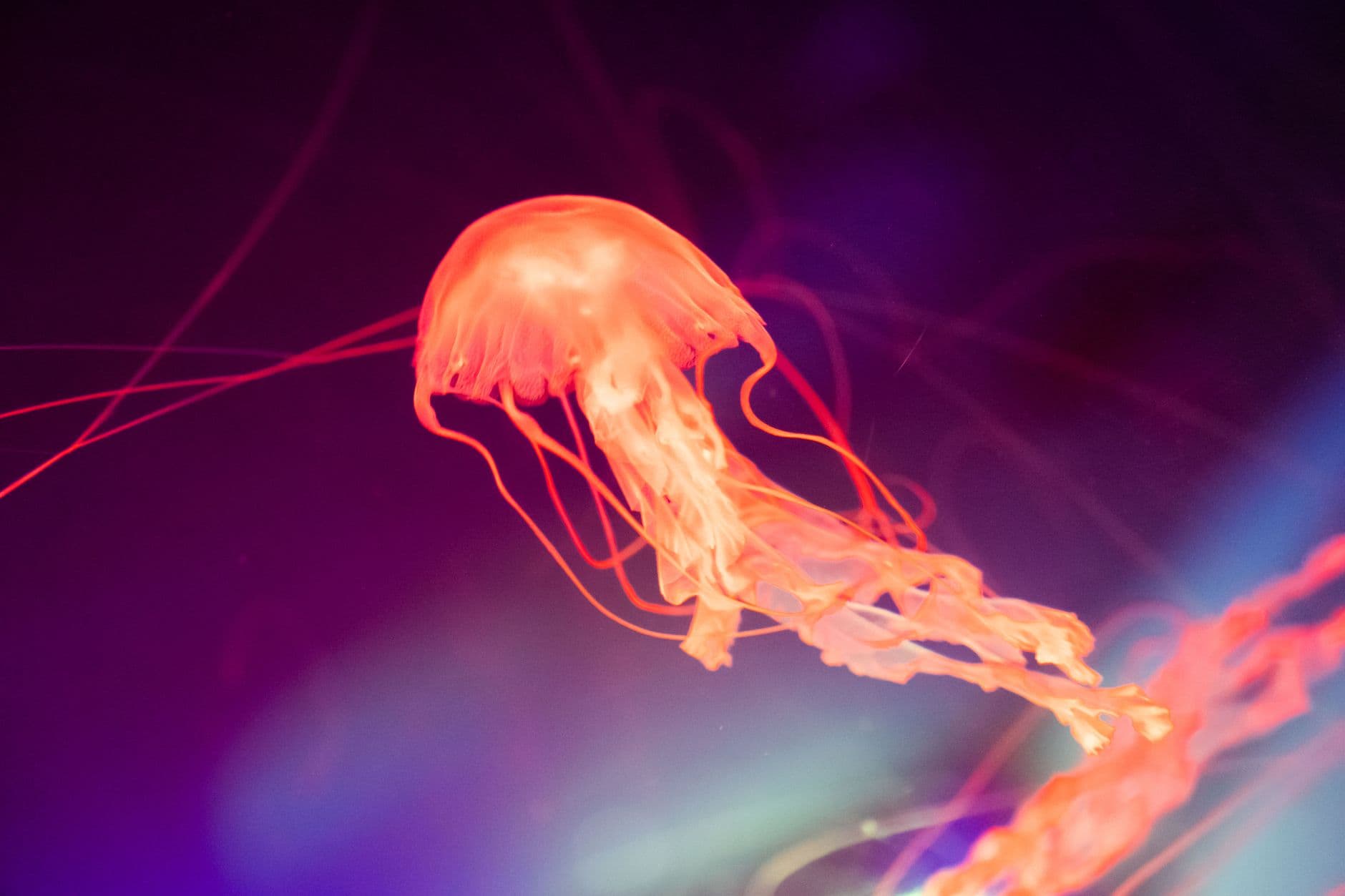
Different creatures produce different colors. Hatchetfish glow blue-green. Dragonfish emit red. Jellyfish—some of the most stunning bioluminescent ocean animals—pulse with haunting, otherworldly light that looks like something from a science fiction film.
Glowing Ocean Animals and Their Survival Tactics
Bioluminescence isn't just beautiful—it's a survival strategy. Lanternfish use their belly lights to hide from predators below by matching the faint glow filtering down from the surface. It's called counterillumination, and it's genius.
The famous anglerfish dangles a bioluminescent lure in front of its enormous mouth. Hungry prey fish swim straight into the trap, drawn by the promise of a meal. The anglerfish doesn't even have to chase anything; dinner comes to it.
Some squid and shrimp use sudden bursts of light to startle attackers or create a smokescreen. Others use gentle glows to attract mates in the darkness. Every flash, every pulse, every glow serves a purpose in the struggle to survive.
Bioluminescent jellyfish have mastered something even more elegant. They pulse with rhythmic light patterns that seem to ripple through their translucent bodies like underwater fireworks. Watch one for thirty seconds, and you'll understand why scientists can't stop studying them.
The Most Incredible Glowing Ocean Animals You Need to Know
The Atolla jellyfish is called the "alarm jellyfish" because it creates a brilliant ring of light when threatened—essentially screaming "help" in light language to larger predators that might scare off the attacker.
Hatchetfish are so thin they're nearly invisible from the side, but their belly lights are unmistakable. Scientists believe they use these lights to maintain schools in complete darkness, a bioluminescent GPS system for fish.
Vampire squid—despite their terrifying name—are gentle creatures with the ability to turn themselves inside out and flash their light organs in defensive bursts. In the deep sea, looking scarier than you actually are might be the difference between living and becoming lunch.
The dumbo octopus glides through the abyss like a ghost, its ear-like fins moving with balletic grace. Some species have bioluminescent spots along their arms, adding points of light to an already haunting silhouette.
Why This Matters for Ocean Science
Understanding how bioluminescent underwater creatures produce light is revolutionizing medicine and technology. Scientists have borrowed the luciferin-luciferase reaction for medical imaging, allowing doctors to track diseases at the cellular level.
Green fluorescent protein, discovered in jellyfish, won researchers the Nobel Prize. That technology now helps us understand cancer, development, and disease in ways previously impossible. The ocean gave us these creatures; they're giving us the future.
Yet we've explored less than 5% of the ocean. Thousands of bioluminescent species probably exist in darkness we haven't even discovered yet. Every research mission into the deep brings back footage that looks like alien worlds.
Explore our underwater nature collection for more stories about ocean creatures that defy belief. Check our daily feed for the latest discoveries in marine science, and visit our full categories to explore other incredible ecosystems. Share your favorite bioluminescent encounter in the comments below!