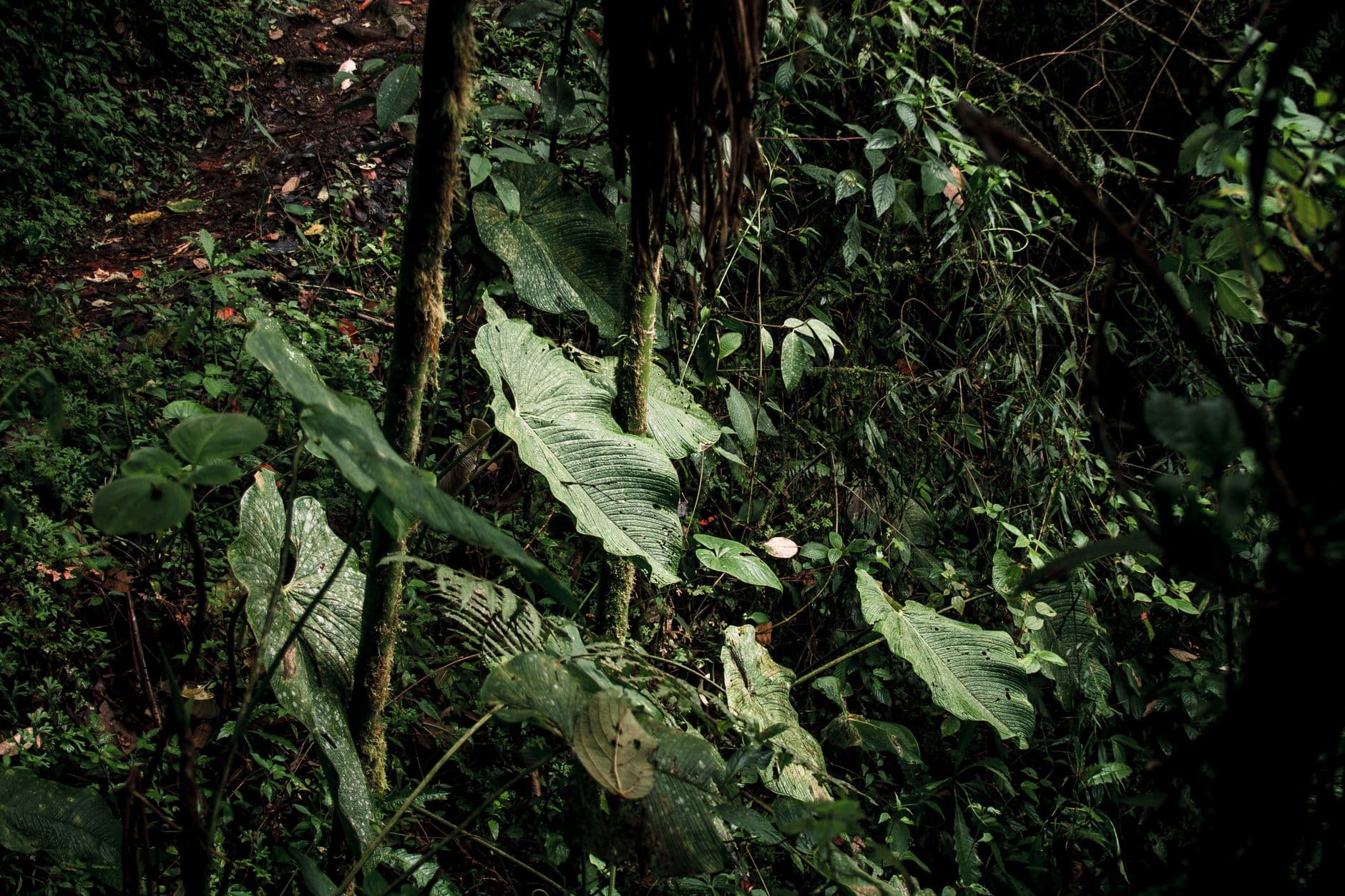
Humans Inhabited West African Rainforests 150,000 Years Ago, Far Earlier Than We Thought
Humans were living in the dense, wet heart of West African rainforests 150,000 years ago. That's roughly 50,000 years before scientists believed our ancestors could survive in such harsh, unforgiving terrain.
This discovery rewrites what we know about human migration, settlement patterns, and our species' adaptability. New research presented by ScienceDaily shows that early humans didn't avoid rainforests. They mastered them.
Archaeological Evidence of Ancient Rainforest Life
The findings come from careful excavation and analysis of archaeological sites deep within West Africa's rainforest zones. Researchers uncovered stone tools, fire remnants, and other traces of human activity that point to sustained occupation over thousands of years.
These weren't brief visits or seasonal camps. The evidence suggests communities lived there year-round, adapted to the forest's wet climate and dense vegetation. They hunted forest animals, gathered plants, and built stable settlements.
The dating of these sites places human presence much earlier than the previous scientific consensus. Earlier estimates suggested humans only colonized rainforests around 100,000 years ago, if at all. This new work pushes that timeline back by half a millennium.
Challenging Our Understanding of Human Migration in Africa
For decades, scientists assumed early humans preferred open savannas and grasslands. Those environments seemed easier to navigate, hunt in, and survive within. Rainforests were treated as barriers, not destinations.
This assumption shaped how researchers thought about human migration routes across Africa. The prevailing theory held that populations moved along coasts or through open country, skirting around dense forests entirely.
The West African rainforest discovery flips that narrative. It shows our ancestors were far more resourceful and flexible than we gave them credit for. They didn't just adapt to rainforests. They thrived in them.
What This Means for Paleolithic Settlement Patterns
If humans lived in West African rainforests 150,000 years ago, they were also likely present in other rainforest regions we haven't fully explored yet. The Amazon, Central African rainforests, and Southeast Asian jungles may harbor similar evidence waiting for discovery.
This reshapes our understanding of human population distribution during the Middle Pleistocene. It suggests early modern humans and their ancestors had already spread across diverse environments much more widely than previously thought.
The implications extend beyond Africa. Understanding how early humans conquered rainforests tells us something fundamental about human ingenuity. These were people with sophisticated knowledge of forest plants, animal behavior, and seasonal patterns.
They possessed the cognitive ability to solve complex problems: where to find food in a dense canopy, how to start fires in wet conditions, how to navigate without landmarks. These weren't simple people bumbling through the forest. They were skilled, observant, and innovative.
The Tools and Techniques of Ancient Rainforest Dwellers
Stone tools recovered from these sites show refinement and specialization. Some appear designed specifically for processing forest plants or hunting smaller game suited to rainforest hunting. Others suggest woodworking capabilities.
Evidence of controlled fire is particularly telling. Maintaining fire in a wet rainforest environment requires knowledge, skill, and persistence. Early humans managed it, using fire for warmth, cooking, protection, and perhaps even clearing small areas for settlement.
These discoveries push back our timeline for human behavioral complexity. We're not talking about primitive wanderers. We're talking about people with culture, knowledge systems, and the ability to transmit skills across generations.
The West African rainforest story adds another chapter to the long history of human resilience and adaptation. Our species didn't conquer the world through strength or speed. We conquered it through intelligence, creativity, and a willingness to inhabit environments that seemed impossible.
For more on ancient human history and archaeological discoveries, explore our coverage of early human civilizations. You can also dive deeper into our latest archaeological findings and learn how scientists uncover secrets buried for millennia. Check out our daily nature and science updates for more groundbreaking research.
Learn more about African archaeology at Britannica's human evolution guide or explore National Geographic's archaeology section for additional context on early human settlement patterns.