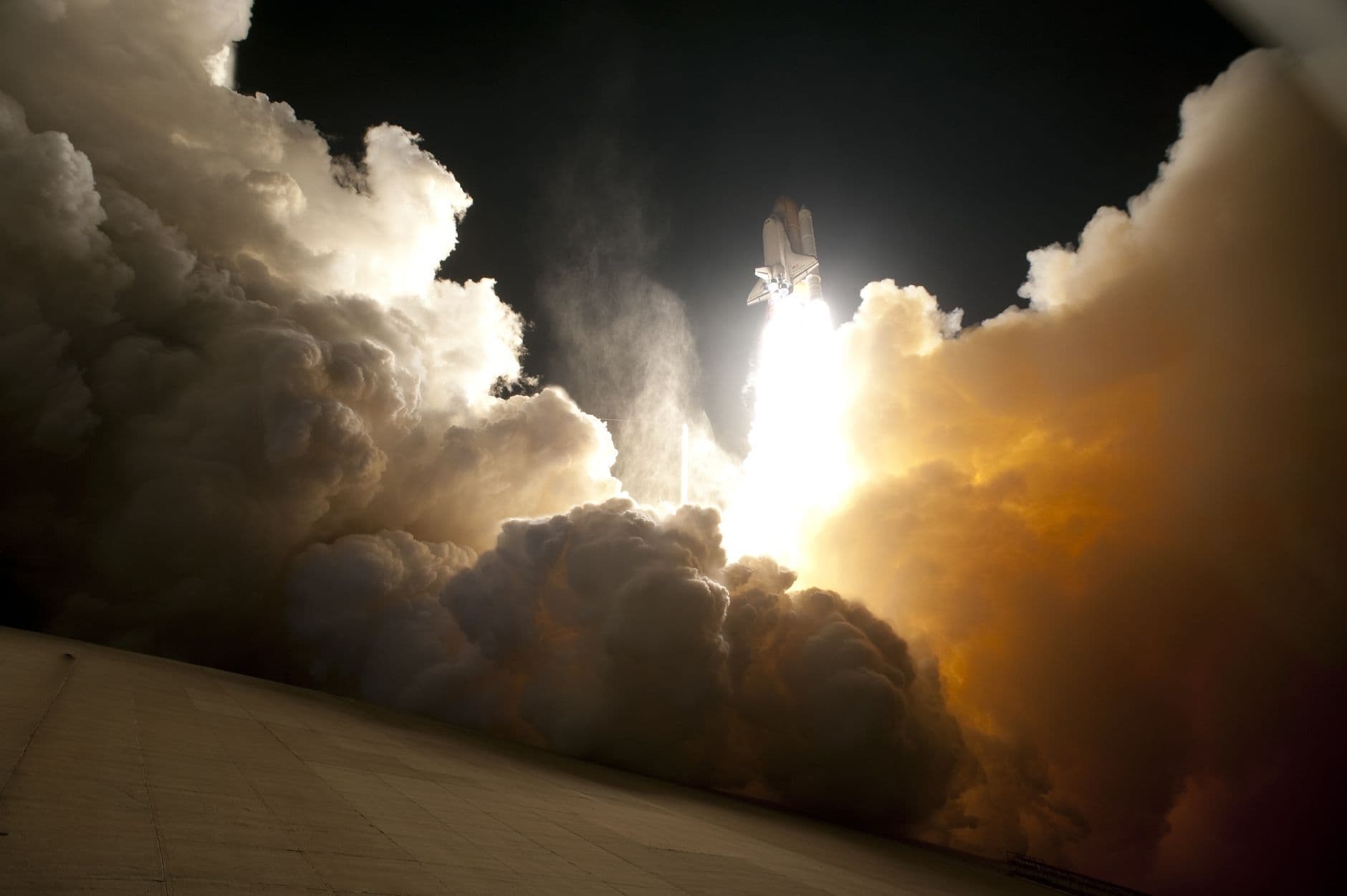
China Successfully Lands Rocket First Stage at Sea During Orbital Launch
China just proved that catching a falling rocket from the ocean is no longer science fiction. The country successfully recovered its rocket first stage after a controlled landing at sea, marking a watershed moment in the race to make space travel cheaper and faster.
This isn't just about splashing down in saltwater. The ability to land and reuse rocket stages dramatically cuts the cost of getting to orbit. Each first stage represents millions of dollars in engineering and materials. Instead of watching it burn up on reentry or sink to the seafloor, recovery means you fly it again.
How China Pulled Off the First Stage Recovery
The rocket lifted off carrying a payload destined for orbit. Everything went nominal through the initial flight phase until separation, when the first stage peeled away from the rest of the vehicle. At that critical moment, the stage fired its engines to slow its descent.
Precision mattered enormously here. The stage had to hit a designated ocean zone with enough accuracy that recovery ships could reach it before currents drifted it too far. Navigation systems guided the falling hardware down, managing its velocity so it could survive the impact with the water.
According to Space.com, the landing succeeded, and recovery vessels were standing by to retrieve the hardware. The stage made it to the surface intact, a clean catch that opens new possibilities for China's space program.
Reusable Rocket Technology Changes Everything
Rocket launches have always been wasteful. You build an expensive machine, fly it once, and watch it disappear. The economics never made sense, but for decades there was no alternative. Then companies like SpaceX demonstrated that recovery actually works, and the entire industry shifted.
China is now firmly in this game. Recovering first stages at sea requires fewer resources than landing on a drone ship or coastal pad, so ocean recovery is a practical step forward. Each successful catch proves the method viable and teaches engineers what to improve next time.
The broader implication is clear. When launch costs drop, more missions become affordable. Scientific research accelerates. Commercial space activities expand. Nations can afford to build and deploy satellite constellations that would otherwise remain on paper.
China's Push Into Advanced Space Recovery
This achievement sits within a larger Chinese strategy to modernize and expand its space capabilities. The country has invested heavily in launch vehicle development, satellite technology, and deep space exploration. Landing first stages at sea is another box checked on a very ambitious roadmap.
Competition drives innovation in space. With China demonstrating success in first stage recovery, the pressure on other spacefaring nations to match or exceed these capabilities intensifies. The race is on, and the technology trickling down from these programs will reshape how humanity accesses space in the coming decades.
Recovery technology also reduces space debris, a growing problem in Earth orbit. Controlled landings keep hardware out of the void where it could collide with active satellites and create cascading collisions. Environmental responsibility and cost savings align perfectly here.
For those tracking space exploration trends, this moment matters. It signals that reusable rocket technology is no longer confined to one nation or one company. The capability is spreading, becoming normalized. What seemed impossible twenty years ago is now routine enough to announce and move forward from.
Want to stay current on major space developments? Explore our space and astronomy coverage for daily updates on launches, landings, and discoveries. You can also check our daily feed for the latest breakthroughs across science and nature, or browse our full blog archive for in-depth analysis of emerging technologies.
For more on reusable launch systems and their impact on space access, check out Wikipedia's overview of reusable launch systems and NASA's space technology initiatives.