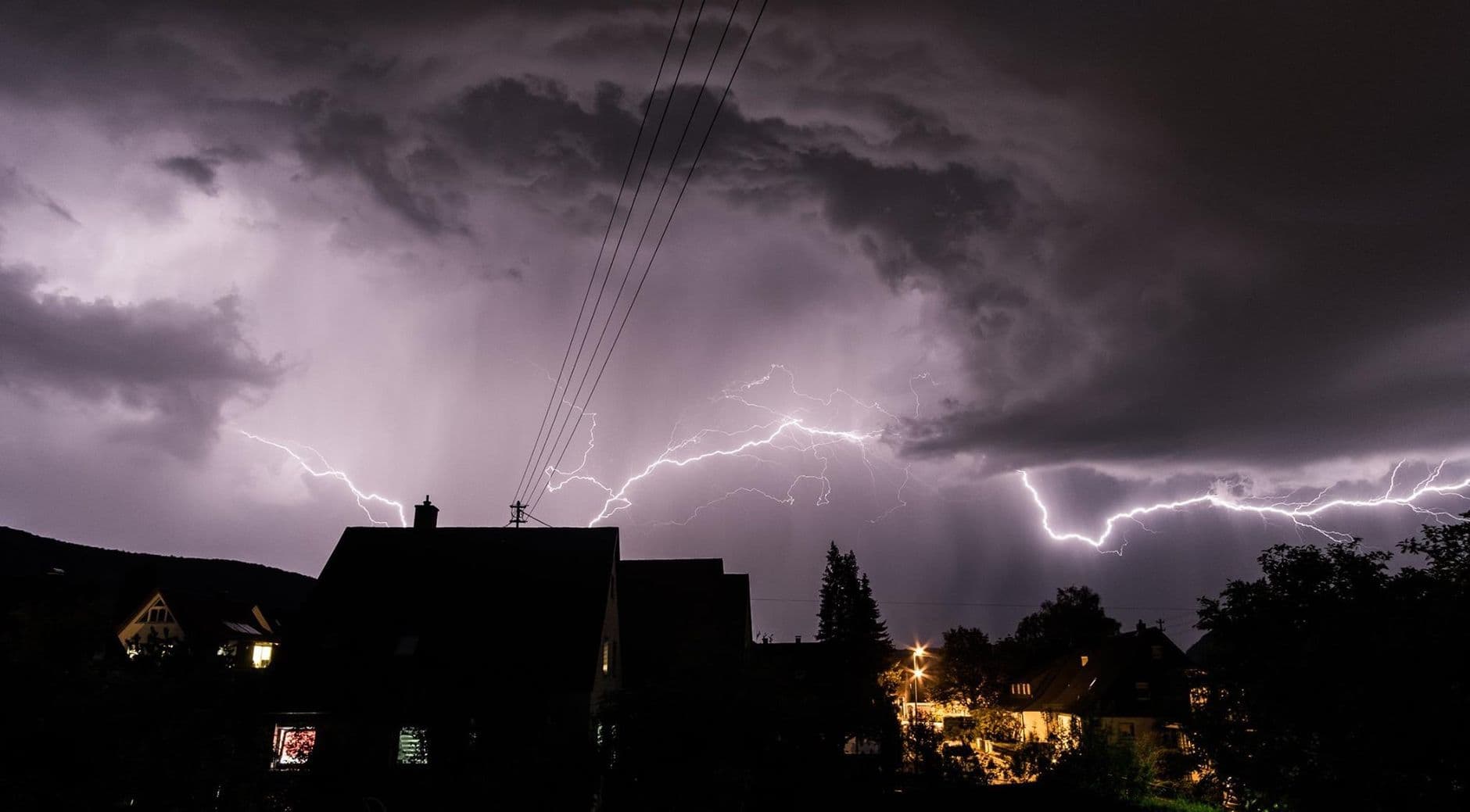
Derechos: Nature's Most Violent Storm Line Explained
A derecho can destroy an entire city in 30 minutes—yet most people have never heard of them. These rare but catastrophic straight-line wind storms pack hurricane-force gusts that arrive without warning, leaving devastation that rivals tornadoes and hurricanes combined.
The term "derecho" comes from Spanish, meaning "straight ahead." That's exactly what these extreme weather events do—they barrel forward in a violent line, obliterating everything in their path with winds exceeding 100 mph.
How Derechos Form: The Perfect Storm Recipe
Derechos don't just happen randomly. They require a specific atmospheric setup that meteorologists call a "derecho formation" event. Warm, moist air near the ground clashes with cold, dry air aloft, creating explosive instability in the atmosphere.
When a thunderstorm develops in this environment, something sinister happens. The downdraft—cold air sinking from the storm—spreads outward violently. As it expands, it accelerates, creating a wall of wind that races ahead of the main storm system.
The key difference from regular thunderstorms? The downdraft becomes so powerful that it sustains itself. The leading edge of this wind wall, called the "gust front," triggers new storms along its boundary. Each new storm strengthens the system further, creating a self-perpetuating machine of destruction.
Unlike other extreme weather events, derechos can maintain their intensity for hours, traveling hundreds of miles across entire states.
The Devastating Power of Straight-Line Wind Storms
In 2020, a derecho obliterated Cedar Rapids, Iowa. The damage rivaled a category 4 hurricane, yet wind speeds were "only" 112 mph—well below hurricane category 4 strength. So why was the destruction so severe?
The answer lies in wind direction. Hurricanes spin in circles; derechos attack from one direction with unrelenting force. Buildings designed to withstand omnidirectional wind can't handle sustained assault from a single angle. Roofs peel off, walls collapse, and trees snap like toothpicks.
The June 2012 derecho that swept across the Midwest and Mid-Atlantic states killed 22 people and caused $2.7 billion in damages. Power outages lasted weeks because entire transmission lines were downed simultaneously across vast regions.
Warning Signs and Detection Challenges
Here's what makes derechos terrifying: they often develop with minimal warning. While tornado watches provide hours of advance notice, derechos can form from seemingly ordinary thunderstorms in 20-30 minutes.
Meteorologists look for specific radar signatures called "bow echoes"—the storm's leading edge bends outward like an archer's bow. A hook-shaped appendage on the radar called a "rear inflow notch" indicates the strongest downdraft. When these patterns appear, a derecho may be imminent.
The problem? These signatures don't always appear. Some derechos develop so rapidly that warnings come minutes before impact. Others grow gradually, making it hard to distinguish them from ordinary severe thunderstorm outbreaks until they're already devastating communities.
Researchers at the National Oceanic and Atmospheric Administration are working to improve derecho prediction models, but forecasting remains one of meteorology's greatest challenges.
Climate Change and Future Derechos
Scientists debate whether derechos will become more frequent as our planet warms. Some evidence suggests that the atmospheric instability required for derecho formation is increasing in certain regions.
Warmer air holds more moisture, and temperature contrasts between air masses may intensify. Both factors favor violent thunderstorm development. However, the relationship between climate change and derechos remains an active research question.
What's certain? As extreme weather events continue to evolve, understanding derechos becomes increasingly critical for emergency preparedness and community resilience.
Explore more extreme weather phenomena on our site, or check our daily feed for the latest severe weather updates and scientific discoveries.