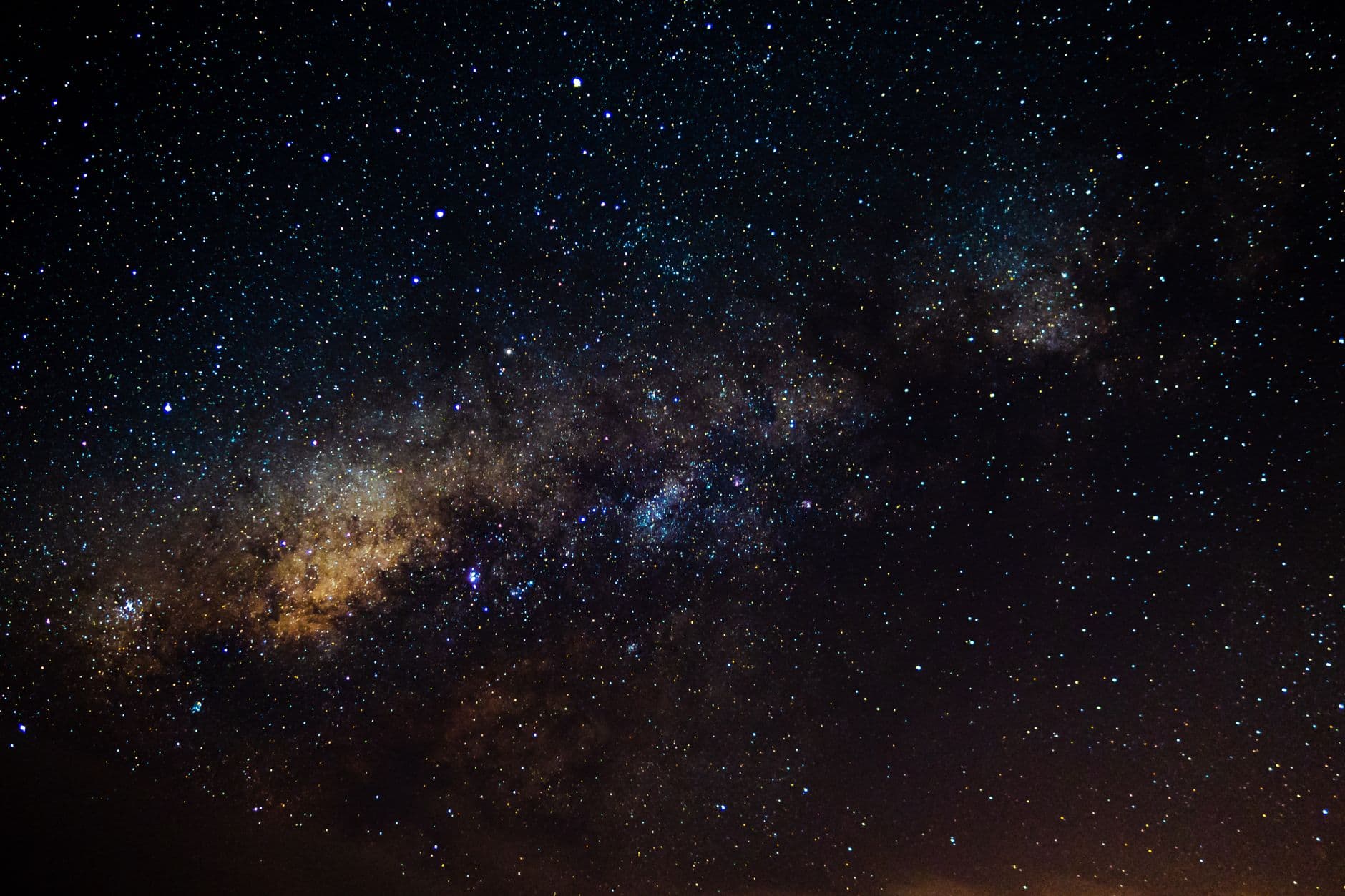
Six Supermassive Galaxies Merging in Unprecedented Cosmic Collision
Six supermassive galaxies are colliding at once, and astronomers have caught it happening. This isn't a prediction or a computer simulation. Telescopes have captured direct evidence of one of the most violent and rare events in the universe.
What makes this discovery so shocking is the sheer scale. Finding even two galaxies in the middle of a merger is uncommon. Finding six at the same time stretches the limits of what we thought possible.
When Galaxies Collide: Understanding This Galactic Merger
Galaxy mergers happen, but they unfold over millions of years. Two galaxies drift toward each other, their gravity pulling at their edges. Stars begin to tear away. Gas clouds compress and heat up. Eventually, they fuse into a single, larger galaxy.
This particular event involves six supermassive galaxies all caught in the same gravitational trap. Universe Today reported the findings from astronomers using advanced space-based instruments to map the collision.
The galaxies aren't colliding head-on like cars in a crash. Instead, they're locked in a cosmic dance, orbiting closer and closer until they eventually merge into something entirely new. The process takes millions of years, but from our perspective as observers, we're watching a slow-motion catastrophe unfold.
Supermassive Black Holes and Extreme Cosmic Energy
At the heart of each of these six galaxies sits a supermassive black hole. As the galaxies move toward each other, these black holes will eventually merge too. The energy released during these mergers creates some of the most violent events in the known universe.
When black holes collide, they send out gravitational waves, ripples in the fabric of space itself. These waves carry information about the collision back across the cosmos, reaching our detectors on Earth. This discovery adds another layer of complexity to the puzzle of how supermassive black holes grow and interact.
The gas and dust surrounding these merging galaxies heat to millions of degrees. X-rays pour out. Radio waves blast across space. The region becomes an active galactic nucleus, one of the brightest and most energetic objects we can observe.
Why This Cosmic Collision Matters for Astronomy
Astronomers study galaxy mergers because they shape how galaxies evolve. When galaxies combine, they trigger massive bursts of star formation. The pressure and heat ignite new stars at a rate far exceeding what happens in isolated galaxies.
This event gives us a rare window into the early universe. Scientists believe galaxy mergers were far more common billions of years ago, when the universe was younger and more crowded. Studying this collision helps us understand how today's large galaxies, including our own Milky Way, assembled themselves over cosmic time.
The discovery also tests our models of how black holes and galaxies interact. Do our simulations predict what we're actually seeing, or do we need to revise our understanding? Each new observation refines the picture.
What Telescopes Revealed About This Merger
Space-based observatories and ground-based telescopes worked together to map this collision. Infrared cameras pierced through dust clouds to reveal the hidden structure. Radio telescopes detected the powerful jets of energy shooting from the black holes.
The combination of data from multiple instruments across the electromagnetic spectrum created a detailed portrait of the merger. This multi-wavelength approach has become standard in modern astronomy, allowing researchers to see phenomena invisible to any single telescope.
The distance to this system places it at a time when the universe was much younger. Light from these galaxies traveled billions of years to reach us, so we're essentially looking back in time at an ancient collision.
The Future of These Merging Galaxies
Over the next few million years, these six galaxies will continue to spiral inward. Friction will slow them down. Their structures will distort and tear. Eventually, they will merge into a single, massive elliptical galaxy.
The process will release more energy than we can easily imagine. Stars will be flung out into space. Some will collide and merge. Others will be ejected entirely. The resulting galaxy will be fundamentally different from any of its six progenitors.
Discoveries like this remind us how dynamic and violent the universe really is. What appears static and eternal on human timescales is actually in constant motion, constantly changing, constantly reshaping itself through these cosmic collisions.
Want to explore more about how our universe evolves? Check out our space and astronomy coverage for the latest discoveries. You can also browse our full blog for deeper dives into cosmic mysteries, or visit our daily feed for breaking science news. For more on galactic structures, NASA's official site offers detailed resources on galaxy formation.