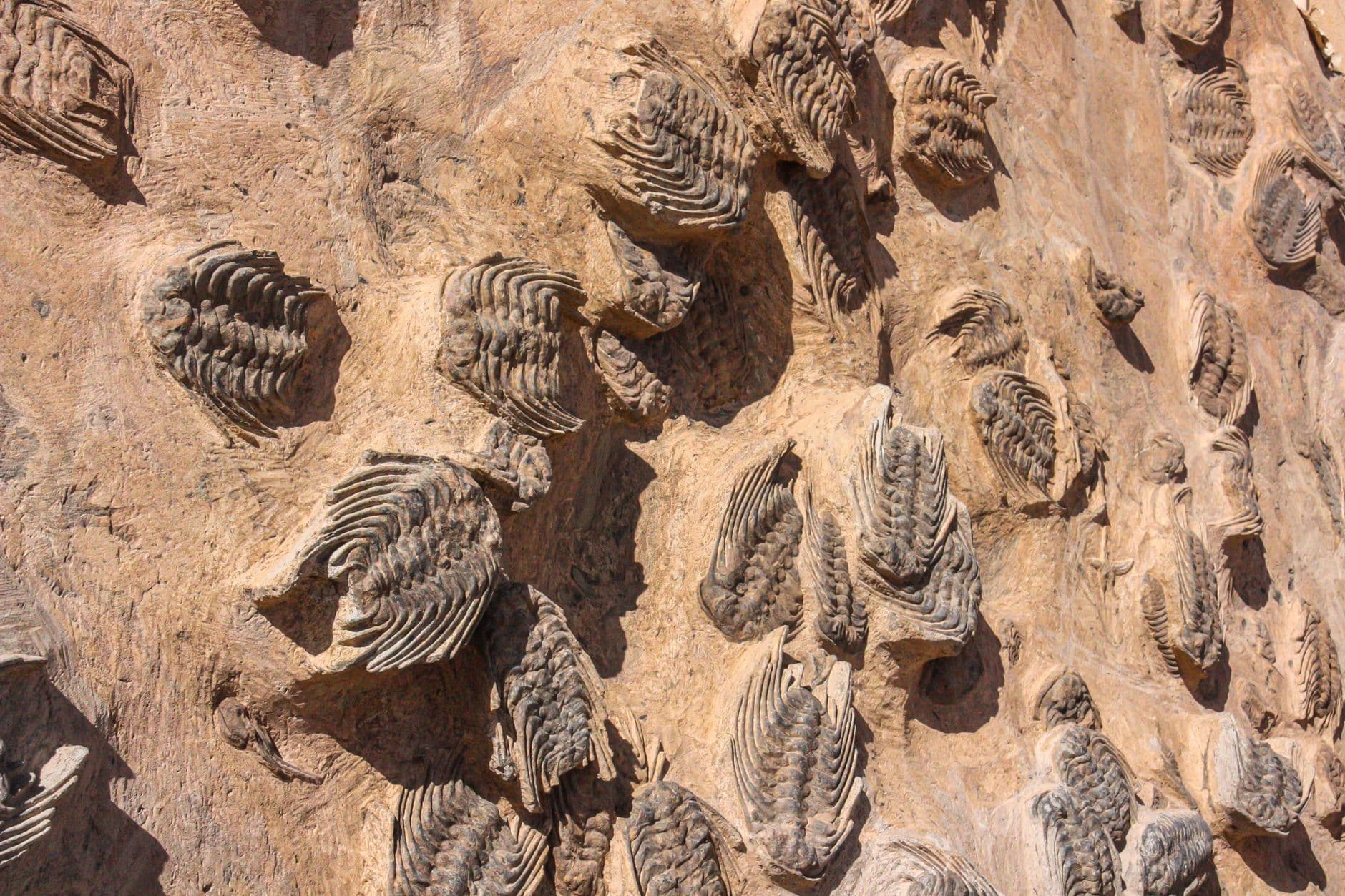
567-Million-Year-Old Ediacaran Fossils Rewrite the Timeline of Complex Animal Evolution
Scientists just pulled something extraordinary from the frozen Canadian Arctic, and it's forcing paleontologists to rewrite one of the biggest chapters in Earth's history. A collection of 567-million-year-old Ediacaran fossils has surfaced, and these ancient organisms are challenging everything we thought we knew about when complex animal life actually began.
For decades, scientists believed the Ediacaran period, stretching from roughly 635 to 541 million years ago, represented a kind of evolutionary waiting room. Strange, soft-bodied creatures shuffled across ancient seafloors, but they seemed disconnected from the animals that would eventually dominate Earth. Then came the Cambrian explosion, that sudden flourishing of complex life around 541 million years ago. Case closed, or so we thought.
These new Arctic fossils shatter that neat narrative.
What the Ediacaran Fossils Tell Us About Animal Evolution
The specimens discovered in the Canadian Arctic reveal something researchers didn't expect to find. These organisms show levels of structural complexity that paleontologists previously associated only with later periods. The animals display specialized body parts, organized tissues, and evidence of behaviors that suggest a level of sophistication science hadn't credited to Ediacaran life.
What makes this discovery particularly striking is where it was found. The Canadian Arctic, today one of Earth's harshest environments, was once a shallow tropical sea. The preservation conditions there created a window into an ancient world that most fossil sites don't offer. Soft tissues, rarely preserved in the fossil record, survived here in remarkable detail.
Researchers examining these specimens noticed patterns they hadn't documented in other Ediacaran collections. The organisms show clear differentiation between body regions. Some display what appear to be feeding structures. Others suggest movement capabilities beyond simple drifting.
How This Discovery Changes the Complex Life Evolution Timeline
The implications ripple through everything paleontologists thought they understood. If complex animal life was already developing during the Ediacaran period, then the Cambrian explosion looks less like a sudden creation event and more like an acceleration of changes already underway.
This reframes the animal evolution timeline significantly. Instead of life remaining relatively simple for millions of years before suddenly exploding into diversity, we now see a more gradual transition. Evolution was experimenting with body designs and survival strategies long before the Cambrian seas filled with trilobites and other iconic fossils.
The discovery also raises questions about what triggered the more rapid diversification in the Cambrian. Was it environmental change? Oxygen levels? Predation pressure? With evidence of complex animals already present 567 million years ago, these triggers become harder to pinpoint.
Why the Canadian Arctic Matters for Fossil Discovery
The Canadian Arctic has quietly become one of the world's most important paleontological regions. The combination of ancient seabeds, dramatic geological exposure, and exceptional preservation makes it ideal for uncovering early animal life. These new Ediacaran fossils are the latest in a series of remarkable finds from the region.
Researchers working in Arctic conditions face serious challenges. The harsh climate, remote locations, and short field seasons require intense planning and endurance. Yet these obstacles have yielded some of the most complete fossil assemblages ever discovered.
The work continues. Paleontologists are already planning expeditions to examine additional rock layers in the region. Every new season brings the potential for discoveries that could further reshape our understanding of early life.
These 567-million-year-old Ediacaran fossils prove that Earth's ancient past was far more dynamic than we've given it credit for. Life didn't wait for the Cambrian to get interesting. The story began much earlier, in Ediacaran seas, with organisms far more sophisticated than scientists previously imagined.
Explore more about paleontology discoveries and how ancient life shaped our world. Check out our latest science updates for more findings that reshape what we know about Earth's history. Visit Britannica's guide to the Ediacaran period for deeper context on this critical era, or read National Geographic's coverage of ancient animal life for additional perspectives.