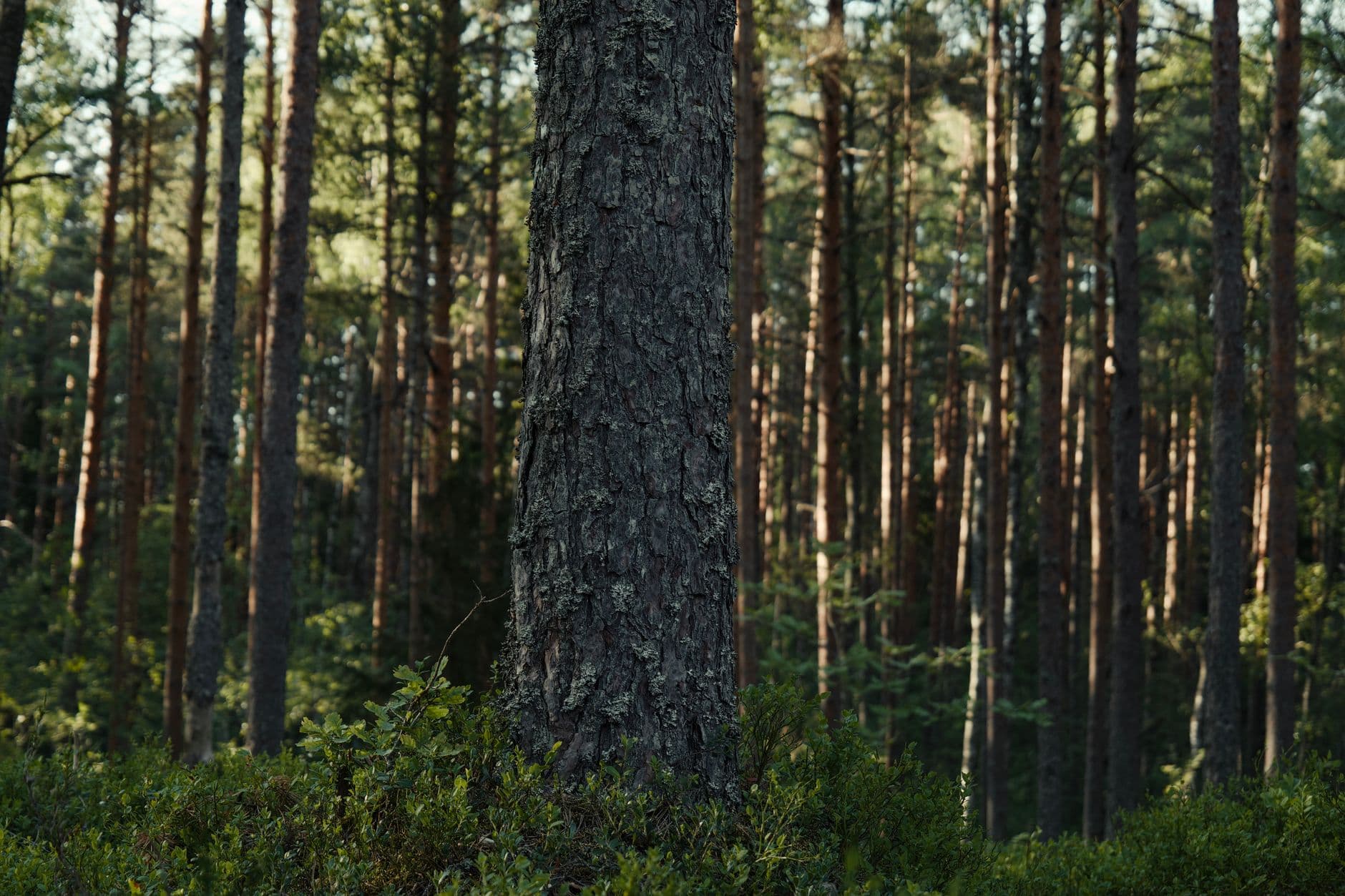
Old-Growth Forests Store 83% More Carbon Than Managed Forests
The forests we've been protecting for centuries are sitting on a carbon vault we've barely understood.
A groundbreaking study from Lund University reveals that Swedish old-growth forests store a staggering 83% more carbon than forests under active management. But here's what really matters: most of that extra carbon isn't in the trees themselves. It's locked deep in the soil, where it can stay for centuries.
This finding upends decades of forest policy across Europe and North America. We've been told that active management, selective logging, and replanting create healthier, more resilient forests. The science suggests otherwise, at least when it comes to carbon storage.
Where the Carbon Actually Hides: The Soil Story
Most people picture a forest's carbon storage happening in tree trunks and branches. That's wrong. The real carbon warehouse lies beneath your feet.
Old-growth forests develop thick, complex soil layers over centuries. These soils contain dead wood, leaf litter, fungal networks, and decomposing organic matter that collectively hold far more carbon than the living trees above. When you manage a forest, you disturb this carefully balanced system. Logging equipment compacts soil. Harvesting removes the dead wood that feeds soil carbon. Replanting disrupts the fungal networks that have been building since the forest's youth.
The Lund researchers measured carbon content in both above-ground biomass and soil across Swedish forests of different ages and management histories. What they found was unmistakable: older forests with minimal human interference kept accumulating carbon in their soils long after they stopped growing taller.
Why Managed Forests Fall Short on Carbon Storage
Managed forests are designed for productivity, not carbon preservation. Foresters thin stands to promote faster growth in remaining trees. They remove dead wood, which they classify as fire hazard or disease risk. They harvest at rotation ages between 40 and 100 years, depending on the species and region.
Each of these practices makes economic sense for timber production. Each one also removes carbon from the soil system. When you harvest trees, you're not just removing the tree. You're removing the deadwood habitat, interrupting nutrient cycling, and resetting the clock on soil carbon accumulation.
The 83% difference isn't marginal. It's the carbon equivalent of decades of growth, stored in the ground where it's chemically stable and unlikely to return to the atmosphere through natural decomposition or fire.
What This Means for Climate Policy and Forest Carbon Credits
Carbon markets have boomed in recent years, with companies buying forest carbon credits to offset emissions. Most of these credits come from managed forests or newly planted forests. The logic is straightforward: new trees absorb CO2, so planting more trees reduces atmospheric carbon.
The Lund study suggests this accounting method misses the larger picture. An old-growth forest may not be growing rapidly, but it's storing carbon at a rate that managed forests simply cannot match, primarily through soil accumulation.
This creates a policy dilemma. If we want to maximize carbon storage, protecting old forests becomes more valuable than managing them for timber or even replanting them after harvest. Yet forest industries depend on active management, and many governments view timber revenue as essential to rural economies.
Some researchers and policymakers are now questioning whether carbon credits should be awarded equally to all forest types. National Geographic has explored this tension extensively, noting that old-growth protection competes directly with timber harvesting interests.
The Bigger Picture: Old-Growth Forests Beyond Carbon
Carbon storage isn't the only reason to protect old forests. They support ecosystems that simply cannot develop in younger stands. Old-growth forests host rare species of beetles, fungi, birds, and lichens that depend on dead wood, complex canopy structure, and stable microclimates.
Sweden's forests have been shaped by human management for centuries. Only small patches of truly old-growth forest remain. The same is true across Europe and much of North America. This makes the Lund findings especially urgent: the old forests we have left are irreplaceable carbon stores and ecological treasures.
For more insights on forest ecology and carbon dynamics, explore our forest conservation articles or browse our environmental science categories. Understanding how forests work is the first step toward protecting them effectively.
If you're interested in climate solutions and natural carbon storage, check our daily environmental news feed for the latest research and policy developments.