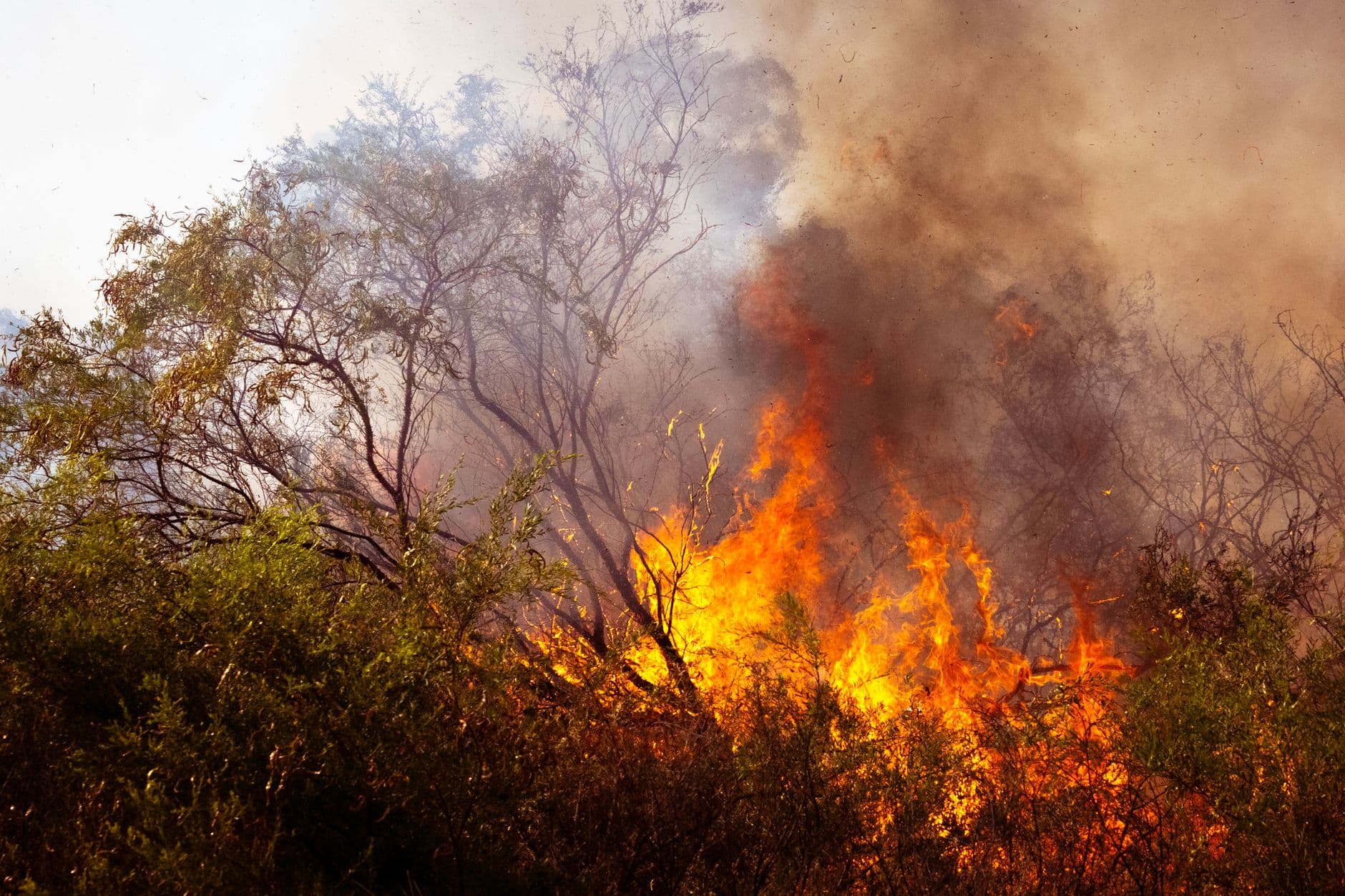
France and Spain Wildfires Surge Across Europe With Record-Breaking Heat Waves
Europe is burning, and the numbers are so staggering they barely feel real. During July and August 2026, France and Spain wildfires have erupted with an intensity that shattered previous records, turning summer into an inferno across the continent. This isn't incremental climate change anymore. This is the climate crisis arriving in real time.
The scale of destruction defies easy comprehension. Thousands of hectares have burned in a matter of weeks. Entire villages have been evacuated. The smoke reached countries hundreds of kilometers away, darkening skies and choking lungs across Western Europe.
Record-Breaking Heat Waves Fuel the Wildfire Crisis
Behind every flame lies a brutal fact: temperatures are climbing to levels that make human survival difficult in affected regions. Heat waves have gripped the continent relentlessly, with some areas experiencing temperatures that haven't been recorded in modern history.
These extreme temperatures create the perfect tinderbox. Vegetation dries out completely. Soil cracks. Any spark, whether from human carelessness or natural causes, spreads into a raging inferno within hours. According to CNN, the combination of record heat and prolonged drought has made this summer uniquely catastrophic.
Firefighters have been deployed in unprecedented numbers. Some have worked 18-hour shifts without relief. The resources required to contain these fires have stretched emergency services across multiple countries to their breaking point.
What's Driving European Wildfire Season to New Extremes
Climate patterns are shifting in ways that climate scientists warned about for years. Atmospheric conditions now favor the development of heat domes that stall over regions for weeks at a time. These stationary systems trap heat and prevent the kind of weather pattern changes that would normally bring relief.
The Mediterranean region has always experienced summer heat. But the new normal operates at a different threshold. What once occurred every 50 years now happens every decade. What happened once a century could become routine within two generations.
Rainfall has become increasingly unpredictable. Some regions received almost no precipitation during critical spring months, leaving forests and grasslands vulnerable to ignition. The soil moisture deficit across Southern Europe reached levels that haven't been measured since records began.
The Human and Environmental Cost of European Heat and Fire
Thousands of people have lost homes. Families have fled with whatever they could carry. Elderly residents in care facilities required emergency evacuation. The psychological toll extends far beyond those directly affected, as entire populations watch their landscapes transform into ash.
The environmental damage will persist for decades. Ecosystems that took centuries to develop have been destroyed in days. Wildlife populations have been decimated. Soil quality deteriorates when forests burn, making recovery slower and more difficult.
Air quality has plummeted across Western Europe. Smoke from wildfires contains particulates and toxic compounds that damage respiratory health, especially in children and elderly populations. Hospitals in affected regions have reported surges in respiratory admissions.
Agricultural losses are mounting. Vineyards in France, cork oak forests in Spain, and crop fields across the region have burned. The economic impact will be measured in billions, and recovery will take years.
What Comes Next for Fire-Prone Regions
Experts are already warning that this pattern will likely intensify. The conditions creating these megafires are becoming more common, not less. National Geographic reports that climate change is fundamentally altering wildfire behavior globally.
Prevention strategies require systemic changes. Forest management must adapt. Building codes in fire-prone areas need strengthening. Communities need better evacuation planning and early warning systems. Governments across Europe are beginning to acknowledge these realities, though action remains slower than the crisis demands.
The France and Spain wildfires of 2026 will be studied as a turning point. Not the moment everything changed, but the moment it became impossible to deny that everything had already changed.
Want to stay informed about climate impacts and environmental crises? Check our daily environmental updates or explore our full categories for more reporting on extreme weather and climate science. Visit our blog for deeper analysis on how wildfires shape our future.