Africa's Forests Switched From Carbon Sink to Carbon Source After 2010
Africa's forests stopped absorbing carbon and started releasing it somewhere around 2010, and almost nobody noticed until now.
For decades, the continent's vast forests acted as Earth's lungs, pulling carbon dioxide from the atmosphere and storing it in trees, soil, and vegetation. Then something broke. Research shared by ScienceDaily reveals that Africa's forests made a catastrophic shift from being a carbon sink to becoming a carbon source, primarily driven by accelerating deforestation rates.
The implications are staggering. We're not just losing trees. We're losing one of the planet's most critical climate regulators at the exact moment we need it most.
What Happened to Africa's Forests After 2010
Before 2010, African forests were holding their own. The continent's dense woodlands and rainforests, particularly across the Congo Basin and West Africa, were sequestering more carbon than they released. Trees grew, forests expanded in some areas, and the system remained in balance.
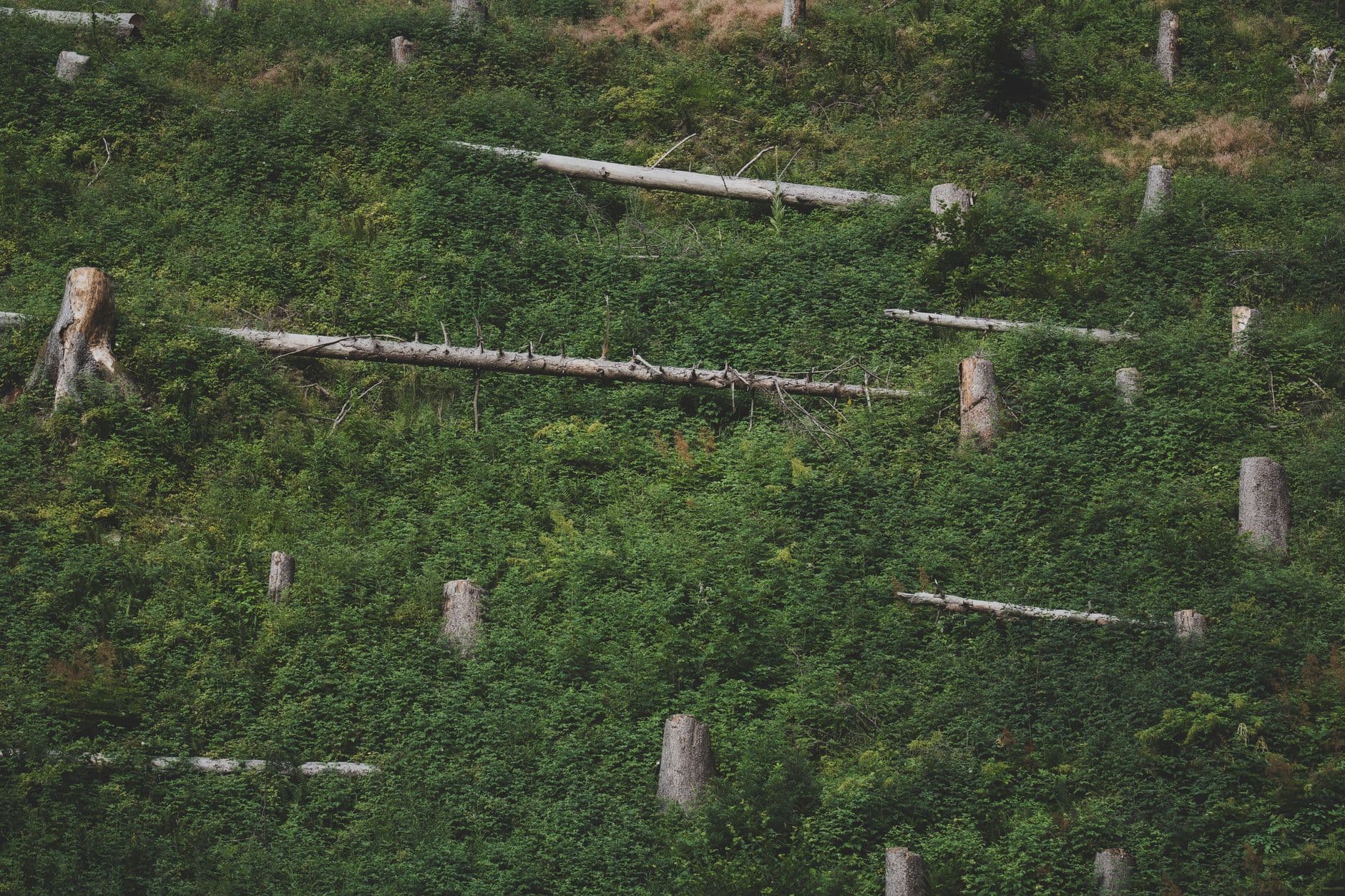
Then the trajectory flipped. Deforestation accelerated dramatically across the continent, driven by agricultural expansion, logging, mining operations, and land clearing for cattle ranching. As trees fell faster than new ones could mature, the forests' ability to absorb carbon collapsed.
Today, instead of storing carbon, these same forests are emitting it. When trees are cut down, the carbon they've accumulated over decades is released into the atmosphere. Soil disturbance accelerates decomposition, further increasing emissions. The net effect is a complete reversal of the forests' climate role.
Why Deforestation in Africa Matters for Global Climate
Africa's forest loss isn't a regional problem. It's a global crisis with teeth. The continent contains roughly 16% of the world's forests, including some of the most biodiverse ecosystems on Earth.
When these forests transition from carbon sink to carbon source, the ripple effects touch every corner of the planet. Carbon that should be locked away is pumped into the atmosphere, accelerating warming. Biodiversity collapses, affecting species found nowhere else on Earth. Water cycles destabilize, triggering droughts and erratic rainfall patterns that impact agriculture across the continent and beyond.
The timing couldn't be worse. Scientists worldwide are racing to reduce atmospheric carbon, yet one of the largest potential carbon sinks on the planet has flipped into reverse.
How Carbon Sink to Source Shift Accelerated
The shift didn't happen overnight, but it accelerated faster than most climate models predicted. Between 2010 and now, deforestation rates in Africa have climbed steadily, driven partly by increasing global demand for agricultural commodities.
Cattle ranching expanded across the Sahel region. Cocoa and palm oil plantations replaced natural forests in West and Central Africa. Logging operations, both legal and illegal, carved into the Congo Basin. Mining operations stripped vegetation to access mineral deposits. Each activity removed forest cover without adequate replanting or restoration.
The carbon accounting is brutal. A mature tree stores hundreds of kilograms of carbon. When it's felled and not replaced, that carbon enters the atmosphere as carbon dioxide. Multiply that across millions of hectares, and you get a continent-sized emissions source.
What Comes Next for African Forests and Climate
The research doesn't offer easy solutions, but it does demand action. Slowing deforestation is the obvious first step, but Africa also needs investment in reforestation and forest restoration at massive scale.
Some nations are responding. Protected areas are expanding in certain regions. Community-led conservation efforts are gaining traction. International climate agreements increasingly recognize the need to fund forest protection in developing nations.
Yet the window is closing. If Africa's forests continue their current trajectory, the continent could shift from being a climate asset to a climate liability for decades to come. The forests that once helped regulate global temperature would instead accelerate warming.
The stakes are simple but immense. A forest that breathes in carbon is an ally. A forest that breathes out carbon becomes another problem we're racing to solve.
Want to understand more about how forests influence climate? Explore our climate change coverage or dive into our latest environmental news. For deeper scientific context, check out National Geographic's analysis of forests and climate or learn about BBC's reporting on Africa's forest crisis. Keep reading our blog for ongoing updates on global environmental shifts.