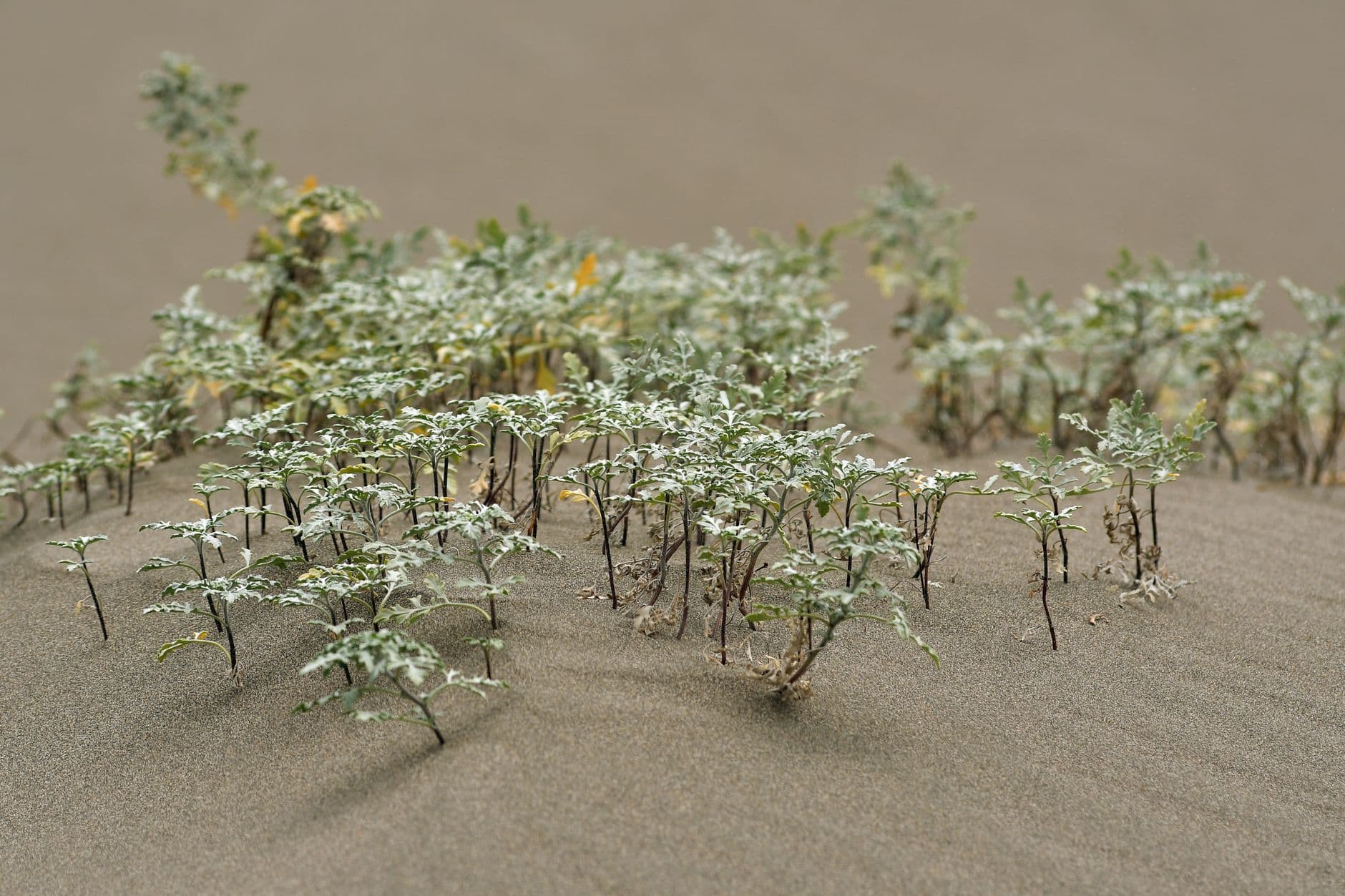
Chickpeas Grown in Lunar Soil: The Future of Moon Farming Begins Now
Plants can now grow on the moon, and we have the proof sitting in a laboratory on Earth. Scientists have successfully cultivated and harvested chickpeas in simulated lunar soil, marking a watershed moment for human space exploration and our ability to sustain life beyond Earth.
This isn't science fiction anymore. Researchers working with ScienceDaily have demonstrated that crops can thrive in the harsh environment of lunar regolith, the rocky, dusty surface material that covers the moon. The implications stretch far beyond a single harvest.
Breaking Through the Challenges of Lunar Agriculture
Growing food on the moon presents obstacles that terrestrial farmers never face. Lunar soil lacks organic matter, contains toxic compounds, and has virtually no nitrogen or phosphorus that plants need. The radiation exposure is brutal. Gravity is one-sixth of what we experience on Earth.
Yet chickpeas thrived anyway. The team engineered conditions that mimicked what a future lunar greenhouse might provide, creating an environment where the plants could establish roots, develop properly, and produce edible pods. This proves that careful planning and the right technology can overcome even the moon's most forbidding constraints.
The choice of chickpeas wasn't random. These legumes are hardy, nutrient-dense, and capable of fixing nitrogen in soil through their root systems. They're also a critical food source for billions of people on Earth, making them a logical candidate for extraplanetary cultivation.
What This Means for Long-Term Space Exploration
A crewed lunar base requires food. Shipping everything from Earth is prohibitively expensive and limits how long humans can stay. Self-sufficiency through local agriculture changes the economics of space exploration entirely.
Successful moon farming opens pathways to longer missions, deeper scientific research, and eventually permanent settlements. Astronauts could cultivate their own vegetables and proteins, reduce resupply costs, and spend more time studying the lunar environment rather than managing logistics.
The psychological value matters too. Humans maintaining gardens, watching plants grow under alien skies, connects us to life itself in ways that matter for mental health during extended isolation.
From Lunar Soil to Mars and Beyond
The techniques developed for chickpea cultivation in simulated lunar soil transfer directly to Mars missions. Red planet regolith shares similar challenges, and solutions that work on the moon will likely work on Mars as well. This research accelerates timelines for human missions to our neighboring worlds.
Scientists are already testing whether other crops can survive in lunar conditions. Lettuce, potatoes, and other staple foods are being evaluated in parallel studies. The goal is to build a diverse agricultural portfolio that ensures nutritional variety and resilience.
The work also informs our understanding of lunar resource utilization and regolith composition. Every experiment reveals new properties of moon dust and how organisms interact with it.
Earth Applications Worth Considering
Technology developed for harsh lunar environments often finds unexpected uses closer to home. Agricultural innovations from space research have historically improved crop yields in extreme terrestrial climates.
Hydroponics, specialized lighting systems, and soil amendment techniques refined for space farming could help feed populations in deserts, high-altitude regions, and areas damaged by climate change. The moon helps us solve Earth's problems.
This chickpea harvest represents more than a technical achievement. It's a statement that humans can adapt, innovate, and create life even in environments that seem utterly hostile. We're learning to live beyond our home planet, one crop at a time.
Want to explore more about how science is reshaping our future? Discover more stories about plants and agriculture, or browse our full collection of science breakthroughs. Stay curious about the innovations shaping tomorrow.