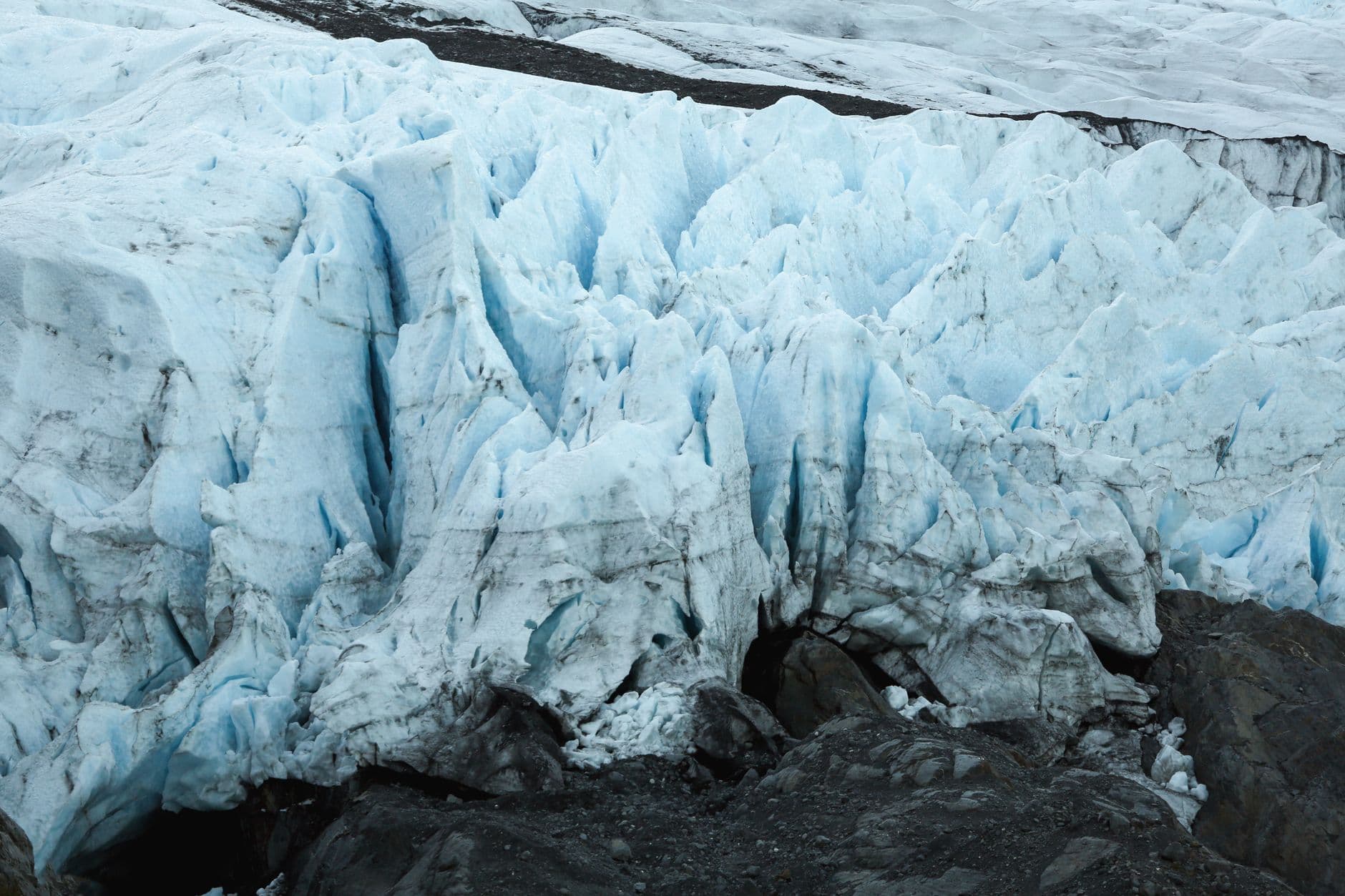
Giant Fan-Shaped Subglacial Basin Network Discovered Beneath East Antarctica
Beneath two kilometers of Antarctic ice lies an intricate network of valleys that no human has ever seen. Researchers have just mapped a colossal fan-shaped system of subglacial basins hidden under East Antarctica, and the discovery is reshaping how scientists understand the mechanics of our planet's largest ice sheet.
This isn't a small find. The basin network stretches across a region the size of a small country, carved into bedrock over millions of years by the movement of ice and flowing water. According to ScienceDaily, the discovery was made using advanced satellite and airborne radar technology that penetrates the ice to reveal the landscape beneath.
What Is a Subglacial Basin Network?
A subglacial basin is essentially a depression or valley carved into rock beneath glacial ice. These basins fill with water, forming what scientists call subglacial lakes. The newfound network isn't just one lake or a few scattered depressions. It's a complex system of interconnected valleys arranged in a fan pattern, radiating outward like spokes on a wheel.
Water flows through these hidden channels constantly, feeding into larger systems. This subglacial drainage network acts almost like an underground river system, moving vast quantities of freshwater and sediment beneath the ice. The sheer scale of this particular network suggests it plays a significant role in how the ice sheet moves and evolves.
Why the Fan Shape Matters for Ice Sheet Dynamics
The fan configuration of these subglacial basins is the real story here. Rather than appearing random, they're arranged in a pattern that reflects the flow of ice above them. As the massive ice sheet moves, it carves the bedrock below according to the direction and speed of that movement.
Scientists believe this pattern reveals crucial information about historical ice flow across East Antarctica. By studying the geometry of these basins, researchers can reconstruct how ice moved through the region thousands and even millions of years ago. This acts like a geological record book, written in stone.
The basins also tell us about water movement beneath the ice. Subglacial water reduces friction between the ice sheet and bedrock, allowing the ice to slide faster. Understanding these drainage systems helps explain why some glaciers accelerate or slow down unexpectedly.
East Antarctica and Climate Change Implications
East Antarctica holds roughly 90 percent of the world's ice. While West Antarctica has received more attention in recent climate discussions, the eastern ice sheet is equally critical to global sea levels. Any significant melting or movement of East Antarctic ice would have catastrophic consequences for coastal regions worldwide.
This discovery of the subglacial basin network adds complexity to climate models. The hidden water systems beneath the ice interact with the ice sheet in ways scientists are still working to fully understand. As global temperatures rise, these subglacial systems may become more active, potentially accelerating ice movement.
Researchers are now integrating this new information into their climate projections. The more accurately scientists can map and understand subglacial processes, the more reliable their predictions about future ice sheet behavior become.
How Scientists Mapped the Hidden Landscape
The discovery relied on satellite radar imagery and airborne geophysical surveys. These technologies can penetrate through two kilometers of ice to image the bedrock below. The radar bounces off the solid ground, creating a picture of the terrain hidden from view.
This mapping technique has revolutionized Antarctic research over the past two decades. What was once completely unknown is now becoming visible to scientists. As technology improves, researchers continue to uncover more details about Antarctica's hidden geography.
For more insight into Antarctic research methods, National Geographic regularly covers cutting-edge polar expeditions. You can also explore subglacial lakes on Wikipedia to deepen your understanding of these underground water systems.
The discovery of this giant fan-shaped subglacial basin network is a reminder that Earth still holds major secrets. Even in places that seem thoroughly studied, new findings can shift our understanding entirely. This network beneath East Antarctica will likely occupy scientists for years to come, revealing layer after layer of information about how ice sheets function and respond to our changing climate.
Want to explore more discoveries about polar regions and climate science? Check out our latest articles on Antarctic research or browse our full collection of nature and science stories.