NASA's Swift Boost Mission Launches to Save the 22-Year-Old Swift Observatory
A space telescope that was supposed to die in orbit just got a second chance at life. NASA's Swift Boost mission launched this week to push the aging Swift observatory back into a higher orbit, preventing it from plummeting into Earth's atmosphere within the next few years. What started as a brilliant X-ray and gamma-ray detector in 2004 has now become the subject of one of space exploration's most dramatic rescue operations.
The Swift observatory has spent two decades hunting down the universe's most violent events, from gamma-ray bursts to supernova explosions. But gravity always wins in the end. Without intervention, the satellite would have burned up in our planet's upper atmosphere by 2032, taking decades of astronomical discoveries with it.
Why the Swift Observatory Needs a Boost
Everything in orbit slowly falls. It sounds counterintuitive, but even spacecraft moving at thousands of miles per hour gradually lose altitude due to atmospheric drag. The Swift observatory sits at about 370 miles up, where thin wisps of air create just enough friction to pull it down over time.
According to Space.com, scientists realized years ago that Swift would need help staying aloft. A satellite that costs hundreds of millions of dollars to build and has proven its value time and again deserves more than a quiet death.
The telescope has detected some of the most energetic explosions ever witnessed. Its rapid-response system allows astronomers around the world to catch these events in real time. Losing Swift would punch a hole in our ability to study these cosmic phenomena.
How NASA's Swift Boost Mission Works
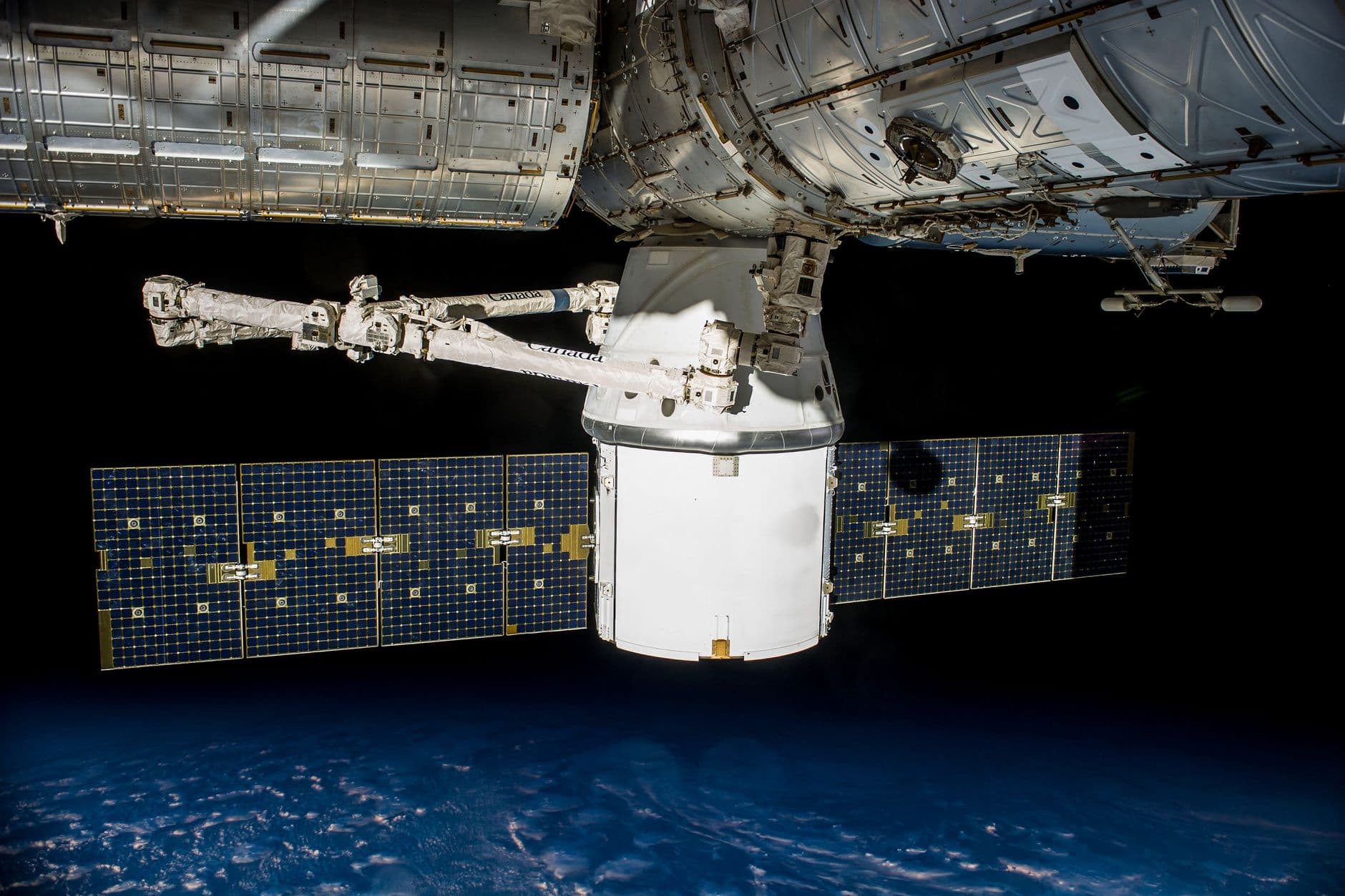
The Swift Boost mission uses a concept that sounds simple but requires extraordinary precision. A specially equipped spacecraft approaches the observatory and gives it a gentle push, adding just enough speed to raise its orbit back to a sustainable altitude.
This isn't the first time NASA has tried something like this. The technology builds on decades of on-orbit refueling and servicing missions, though pushing a satellite higher requires different engineering than traditional docking procedures.
The boost won't make Swift last forever. But it extends the telescope's operational life by another decade or more, buying time for the next generation of space-based observatories to reach orbit and take over its mission.
The Future of Space Telescope Rescue Missions
Swift's rescue highlights a growing reality in space exploration. As telescopes become more capable and more expensive, agencies like NASA must plan for their eventual decline. Unlike the Hubble Space Telescope, which astronauts can service directly, Swift orbits too high for a crewed mission.
Robotic rescue missions represent a new frontier. If successful, the Swift Boost operation could establish a template for saving other aging satellites and telescopes that are too valuable to abandon.
The James Webb Space Telescope, now operating beautifully at a distance of a million miles, benefits from a different approach, built with fuel reserves for station-keeping. But older missions like Swift weren't designed with such generous margins.
What Swift's Legacy Means for Astronomy
Since 2004, Swift has discovered more than 2,000 gamma-ray bursts. These violent explosions occur when massive stars collapse or when neutron stars collide. Each detection helps astronomers understand the most extreme physics in the universe.
The telescope also monitors X-ray sources across the sky, tracking black holes, neutron stars, and other exotic objects. Its data flows to thousands of researchers worldwide, fueling discoveries in high-energy astrophysics.
Losing such an instrument would be like closing a major observatory on Earth. The cost of replacement alone would dwarf the expense of this rescue mission. Swift has paid for itself many times over in scientific value.
NASA's decision to save the Swift observatory reflects a deeper commitment to protecting scientific infrastructure in space. As we launch more missions and spend more resources beyond Earth, the ability to maintain and rescue those assets becomes essential.
The coming months will show whether the Swift Boost mission succeeds. If it does, we'll see Swift continue its hunt for the universe's most violent moments for years to come. If it fails, the loss will sting, but it will also teach engineers valuable lessons about future rescue operations.
For now, the Swift observatory waits in orbit, hoping for the gentle push that will give it a new lease on life. Explore more about space exploration and astronomy on our site, or check out our daily feed for the latest discoveries. You can also browse our full categories to discover more stories about how humans study the cosmos.
Learn more about the Swift satellite and its contributions to X-ray astronomy, or read about NASA's latest missions to understand how space agencies protect their most valuable instruments.