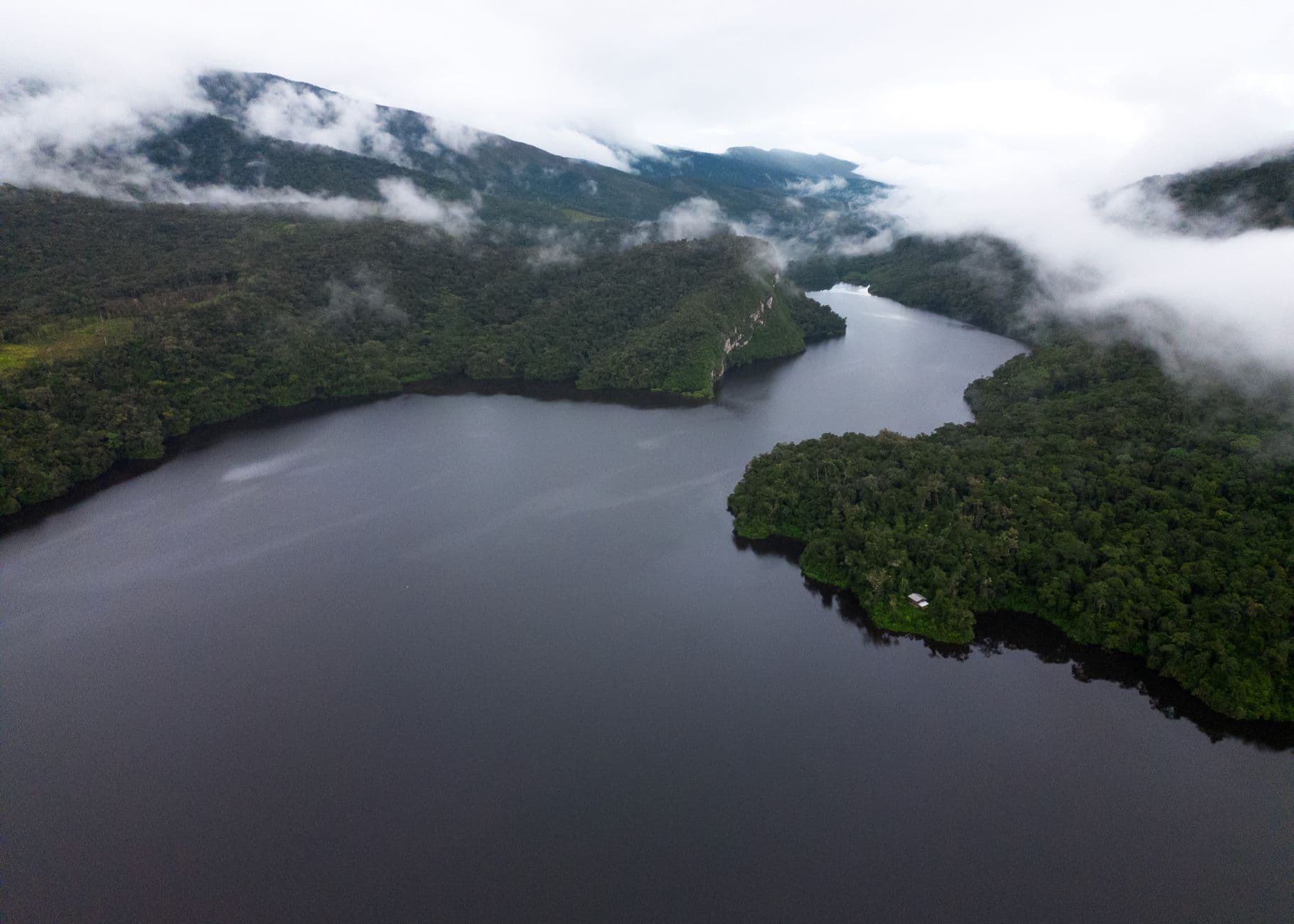
Amazon Deforestation Hits 10-Year Low in First Half of 2026
The Amazon is being cut down slower than it has been in a decade. In the first half of 2026, deforestation rates plummeted by 38 percent compared to the same period last year, marking the lowest point in ten years for forest loss across the world's largest rainforest.
This news arrived quietly in July, buried beneath headlines about weather and politics. But if you care about the future of the planet, this matters enormously. According to Mongabay, the data comes from Brazil's National Institute for Space Research, which monitors the forest using satellite technology.
What's Driving This Shift in Rainforest Conservation
A 38 percent drop doesn't happen by accident. Brazil's strengthened enforcement against illegal logging has teeth now. New satellite surveillance systems catch operations in real time, and penalties have become severe enough that some operators think twice before firing up their chainsaws.
Indigenous communities have also stepped up their role as forest guardians. Land managed by Indigenous peoples shows lower deforestation rates than other protected areas, and as territorial rights have been recognized more formally, their effectiveness has grown. These aren't outsiders parachuting in to save the rainforest. They're people who've lived there for centuries, protecting what belongs to them.
International pressure and market consequences matter too. Companies facing boycotts and import restrictions have started auditing their supply chains. Cattle ranching and soy farming, the two biggest drivers of Amazon deforestation, face real financial consequences when linked to illegal forest clearing.
Amazon Forest Protection Efforts Show Real Results
The numbers tell a story. In the first six months of 2026, approximately 4,100 square kilometers were cleared. That's still too much, but it's a genuine reversal of trends that had been climbing steadily for years.
What makes this remarkable is the speed of the change. Environmental policy rarely shifts this quickly. Usually, you see years of negotiation, false starts, and political backtracking. This time, multiple forces aligned at once. Brazil's administration prioritized enforcement. Global markets punished deforestation. Communities protected their own territories.
The timing matters too. Climate scientists have warned that the Amazon sits near a tipping point, beyond which it could transition from rainforest to savanna. Every hectare saved now prevents potential collapse scenarios decades from now.
What This Means for Environmental Trends Going Forward
One good year doesn't guarantee a trend. Brazil's political winds shift, international attention wavers, and commodity prices fluctuate. The real test comes in 2027 and beyond, whether these numbers hold or creep back up.
But this half-year proves something important. Large-scale deforestation reduction is possible without economic collapse. Cattle ranchers and soy farmers can still operate profitably under stricter rules. Communities can thrive while protecting forests. The technology exists to monitor what's happening.
For anyone tracking climate change impact and conservation, this is one of the few recent environmental victories worth celebrating. It's not a solution to global deforestation, not yet. But it's evidence that the trajectory can bend toward protection instead of destruction.
The Amazon produces roughly 20 percent of the world's oxygen and stores hundreds of billions of tons of carbon. Its survival isn't a side issue. It's foundational. When deforestation rates drop this sharply, the implications ripple outward across climate and biodiversity.
The real work now involves sustaining this momentum. Indigenous organizations and environmental groups are preparing for the next budget cycles and policy reviews. Market-based solutions need to stay in place. Enforcement has to remain consistent.
Want to stay informed about major shifts in rainforest conservation and environmental protection? Check our daily feed for the latest updates on climate and nature stories reshaping our world. For deeper dives into conservation science, explore the Wikipedia overview of the Amazon rainforest, or read National Geographic's coverage of ongoing threats and protection efforts. Learn more about how communities and policy work together by exploring our full blog archive.