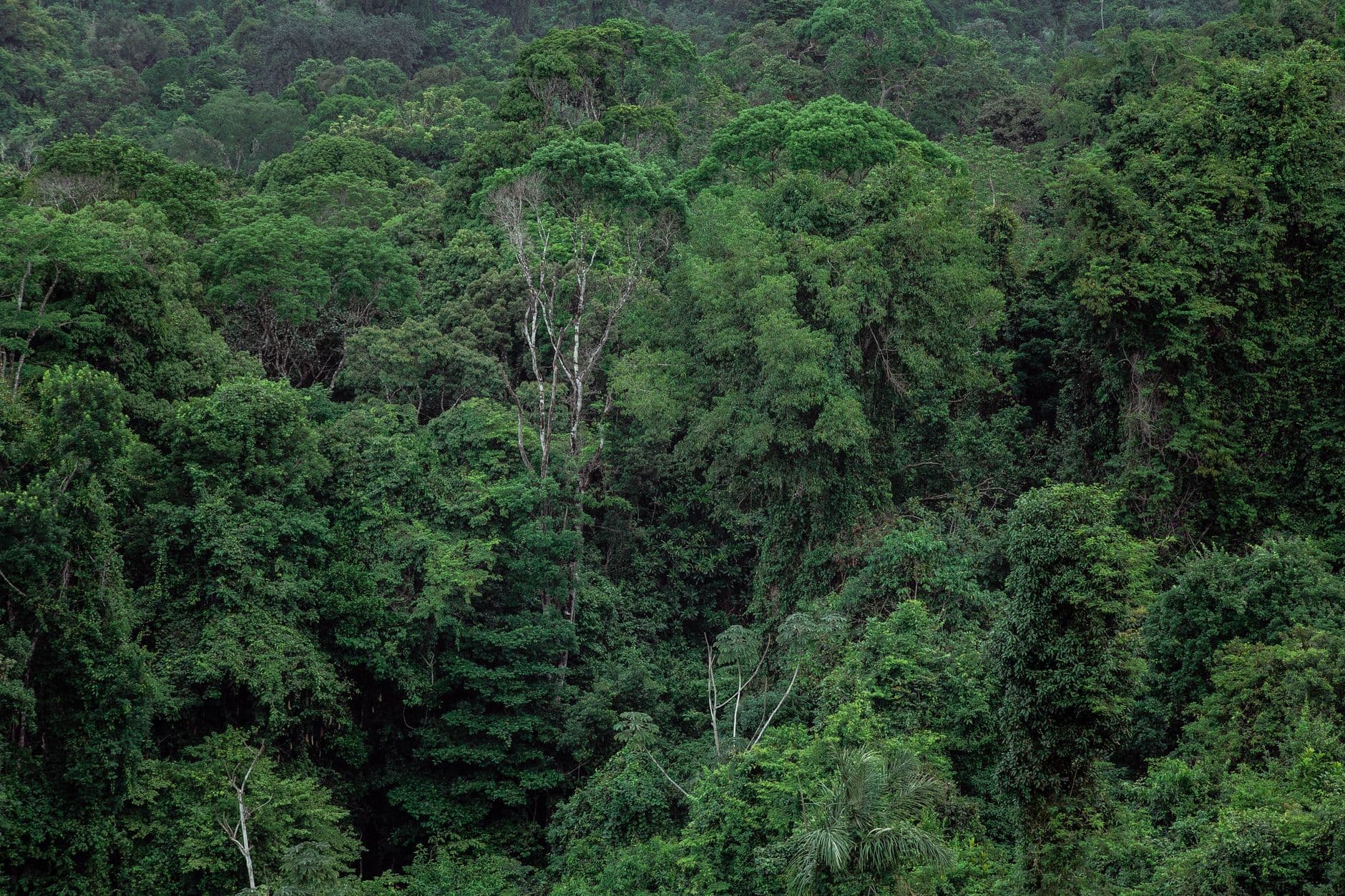
Amazon Deforestation Hits Lowest Level in a Decade in 2026
The Amazon rainforest stopped bleeding out in the first six months of 2026. That's not hyperbole. After more than a decade of accelerating tree loss, the world's largest tropical forest saw deforestation rates plummet to levels not seen since the mid-2010s, according to Al Jazeera.
This isn't just good news for environmentalists nervously watching satellite data from their desks. This is a genuine turning point for a forest that generates roughly 20 percent of the world's oxygen and stores enough carbon to influence global climate patterns for centuries.
What Changed in Brazil's Amazon Protection Strategy
The shift traces directly to policy decisions made under President Luiz Inácio Lula da Silva's administration. After taking office in 2023, Lula's government doubled down on enforcement operations against illegal logging and cattle ranching, the two primary drivers of rainforest destruction.
Federal agents increased patrols in protected areas. Fines against environmental violators jumped dramatically. The government invested in monitoring technology that catches illegal clearings faster than ever before. These weren't rhetorical commitments, they were boots on the ground and checkpoints on rivers.
The results speak for themselves. The numbers don't lie when satellite imagery can track forest loss down to individual clearings.
Brazil's Tropical Forest Conservation Momentum
What makes this moment different from previous environmental pledges is the sustained pressure on illegal operations. Between January and June 2026, deforestation rates dropped so significantly that environmental scientists began updating their climate models downward.
Indigenous communities and local conservation groups that had been fighting this battle alone suddenly found themselves backed by serious government resources. These communities, who have always been the most effective forest guardians, could finally focus on long-term protection instead of constant firefighting.
The economic incentives shifted too. Legitimate businesses operating legally found fewer competitors willing to undercut them through illegal logging. Markets that had started demanding deforestation-free products gained leverage.
Why This Matters Beyond the Headlines
The Amazon produces its own weather patterns. It generates moisture that falls as rain across South America, feeding agricultural systems that feed the continent. When deforestation accelerates, it destabilizes these weather systems, creating a cascading effect that reaches far beyond Brazil's borders.
Slower deforestation means those weather patterns stay intact. It means less carbon entering the atmosphere. It means the forest remains a carbon sink rather than a carbon source, a distinction that matters enormously for global climate stability.
Scientists have long warned that the Amazon has a tipping point, a threshold of forest loss beyond which it transforms into savanna permanently. Every year of reduced deforestation pushes that date further into the future.
The Road Ahead for the Rainforest
One good year doesn't guarantee permanent change. Political administrations shift. Economic pressures fluctuate. International commodity prices rise and fall. The forces that drive deforestation are powerful and persistent.
But this data point proves something crucial, something that seemed doubtful just a few years ago, political will can actually slow the destruction when it's backed by resources and enforcement. The Amazon isn't doomed to inevitable collapse.
For more insights into environmental conservation efforts and forest protection strategies, explore our latest environmental coverage. To learn more about global climate impacts, browse our climate and nature categories. And for ongoing analysis of deforestation trends and policy responses, visit our blog for regular updates.
Want to understand more about how forests influence climate? Check out National Geographic's ongoing Amazon coverage and Wikipedia's detailed deforestation history for deeper context.
The numbers are moving in the right direction. The question now is whether that momentum holds.