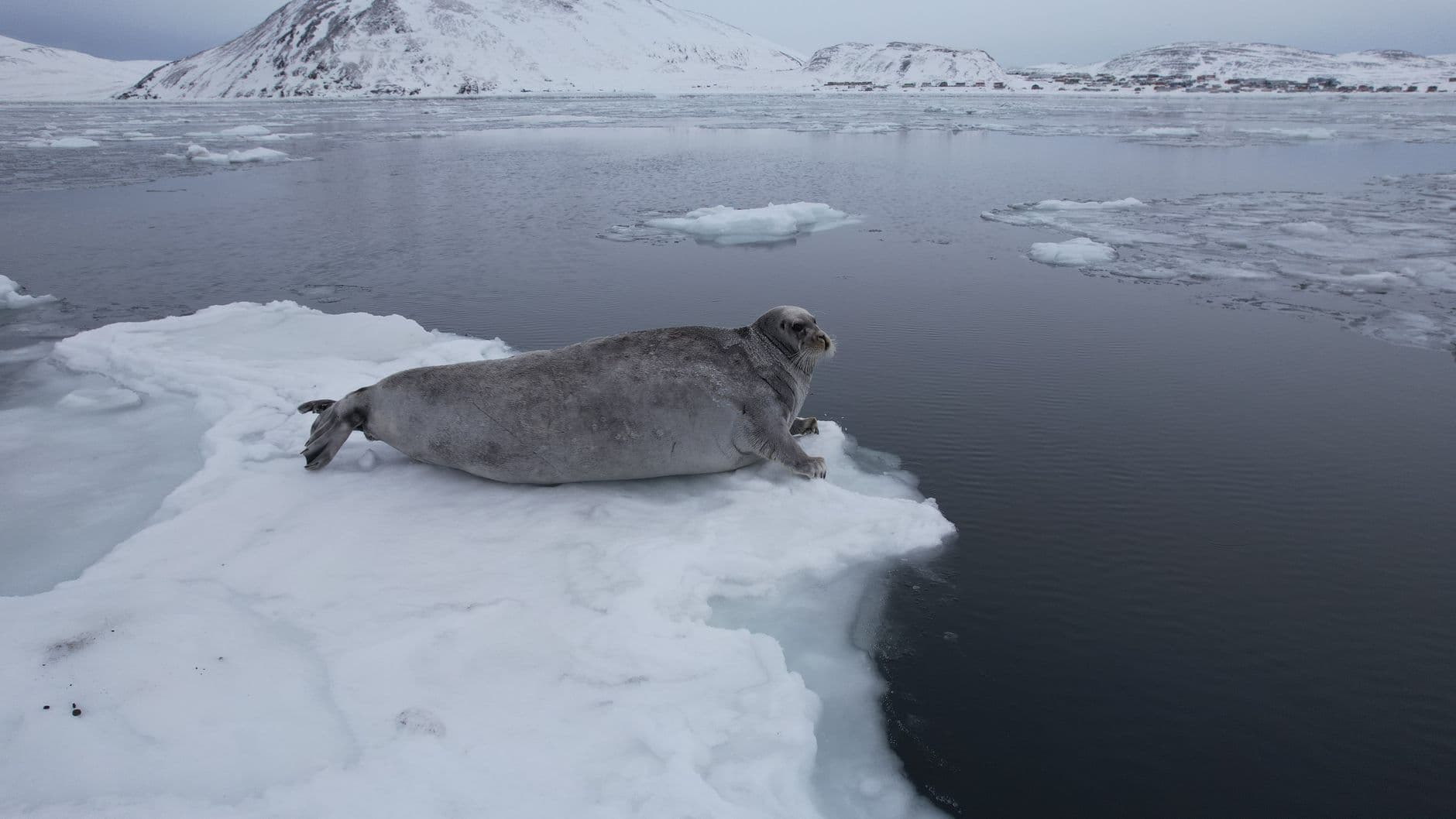
Arctic Sea Ice Reaches Record Low Maximum in March 2026
The Arctic just broke a threshold scientists hoped would hold for another decade. In March 2026, Arctic sea ice reached its lowest maximum extent on record, a haunting milestone that signals the polar regions are unraveling faster than climate models predicted.
This isn't a single bad winter. This is the Arctic telling us something fundamental has shifted.
Barents Sea Ice Loss Drives the Crisis
The Barents Sea, that slice of ocean between Norway and Russia, is the culprit behind most of this loss. Recent data from Earth.com shows that accelerating ice loss in the Barents region is dragging down the entire Arctic's winter ice extent.
The Barents Sea normally freezes solid in winter, creating a vast white cap that reflects sunlight back into space. But that mechanism is failing. Warmer Atlantic currents are pushing farther north. Ice forms later. It melts earlier. The feedback loop tightens.
What makes the Barents Sea different is its geography. It sits at a crossroads where warm ocean water from the south collides with Arctic cold. When that balance tips, the entire region transforms.
Why Record Low Sea Ice Maximum Matters
The sea ice maximum happens in March, at the tail end of the Arctic winter. This is when ice should be at its thickest and most extensive, a brief moment of peak coverage before spring melt begins.
If the maximum is shrinking, the implications ripple outward. Less reflective ice means more dark ocean absorbs solar heat. Polar ecosystems built on stable ice platforms lose their foundation. Indigenous communities that hunt seal and walrus face collapsing food sources. Weather patterns across the Northern Hemisphere shift in ways we're still learning to predict.
Scientists have been tracking Arctic sea ice since satellites launched in the 1970s. The trend has been relentlessly downward, but hitting record lows for the maximum extent crosses a psychological and physical boundary. Winter ice used to be the Arctic's reprieve from summer melt. Now even that is eroding.
Arctic Warming and Global Consequences
The Arctic is warming roughly three times faster than the rest of the planet, a phenomenon called Arctic amplification. Less sea ice accelerates this warming because the ocean absorbs more heat without the reflective ice shield.
This matters everywhere. The jet stream, that river of air that steers weather systems across North America and Europe, weakens when Arctic-to-mid-latitude temperature gradients flatten. Weaker jet streams meander more, stalling weather patterns. That translates to longer heat waves, deeper cold snaps, and wetter springs in populated regions thousands of miles away.
Some researchers argue the Arctic amplification effect is already reshaping storm behavior and seasonal weather across the Northern Hemisphere. Others remain cautious about attribution. But the physical mechanism is sound, and the timing is troubling.
What Happens Next
The Barents Sea ice loss isn't temporary. Models suggest it will continue accelerating through the 2030s as greenhouse gas concentrations rise and ocean temperatures climb. Some projections show the Barents Sea becoming nearly ice-free in winter within two decades.
Arctic sea ice extent has declined by roughly 13 percent per decade since satellite records began. The maximum is now declining faster than the minimum, which reverses what we expected to happen.
Scientists are watching spring 2027 closely. If the maximum continues to fall, we'll know the Arctic has entered a new regime. If it rebounds, it might suggest natural variability is still playing a role. But betting on a rebound right now feels like wishful thinking.
The record low maximum of March 2026 is a wake-up call masquerading as data. The Arctic is telling us the pace of change has accelerated. The question now is whether we listen.
Want to understand more about how climate systems interact globally? Explore our full climate coverage, or check out our environmental science category for ongoing updates. For real-time Arctic monitoring, the National Snow and Ice Data Center provides daily ice extent data and historical context.