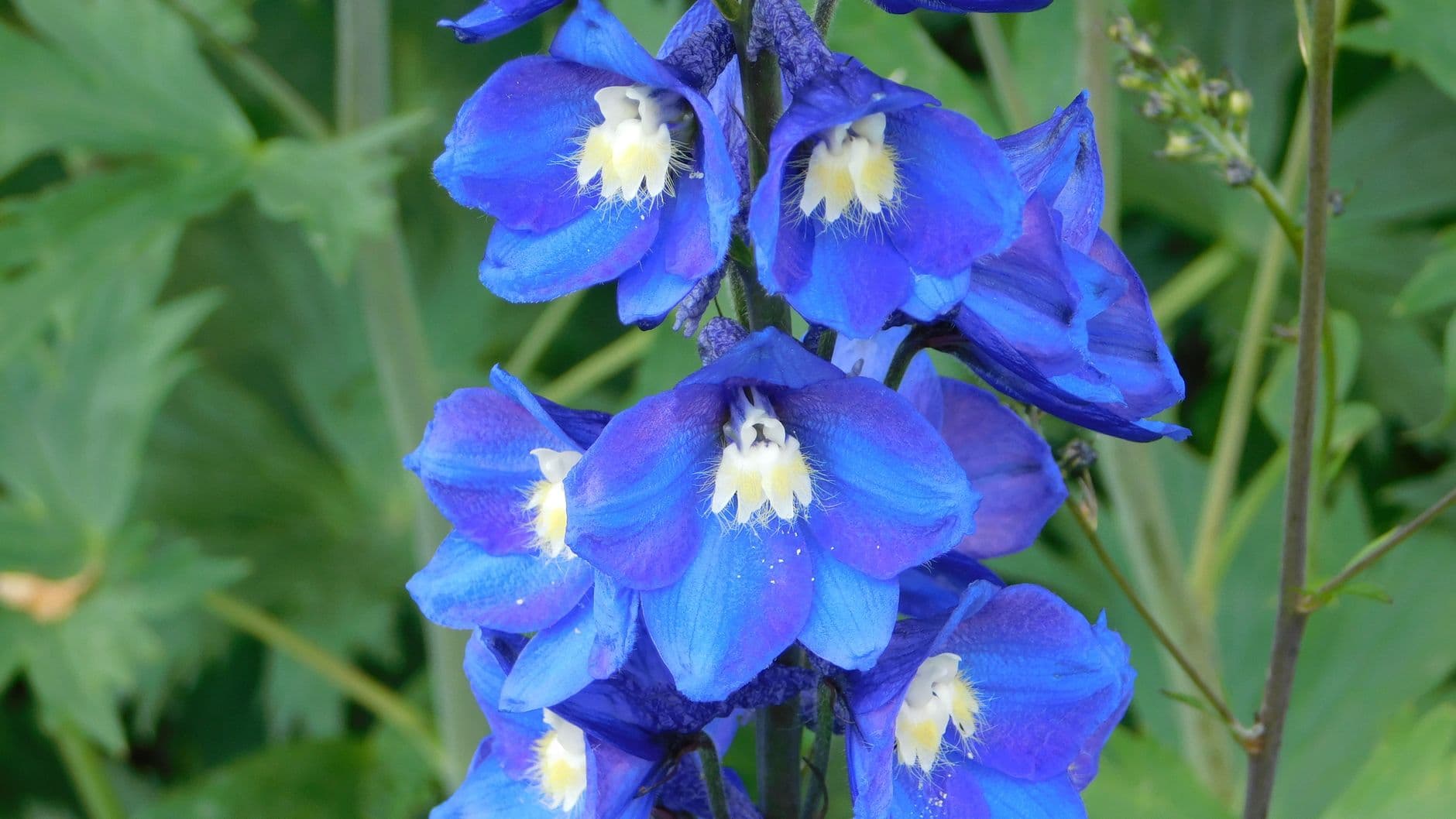
Researchers Crack Genetic Code of Deadly Wolfsbane and Larkspur Alkaloids for Pharmaceutical Synthesis
Some of nature's most lethal plants are about to become some of medicine's most useful tools. Scientists have just decoded the genetic blueprint behind the toxic alkaloids found in wolfsbane and larkspur, two flowering plants that have killed livestock and humans for centuries. This isn't just botanical trivia. The implications could reshape how we manufacture life-saving drugs.
For decades, pharmaceutical companies have wanted to synthesize the complex compounds produced by these plants. The problem was simple but stubborn: we didn't understand how the plants themselves made these molecules at the genetic level. Now, researchers have finally answered that question, and the answer opens doors that were locked shut before.
Understanding Wolfsbane and Larkspur Alkaloids in Nature
Wolfsbane, also called monkshood, grows across mountain meadows in Europe and Asia. Larkspur blooms in wild fields across North America. Both produce alkaloids, organic compounds that act as chemical weapons against insects and herbivores. These compounds are potent. A few grams of wolfsbane alkaloid can stop a human heart.
The question that haunted chemists wasn't whether these plants could make these toxins. They clearly did. The question was why, and more importantly, how. What genetic switches flip to tell a plant cell to construct such intricate, dangerous molecules?
Recent research published on Phys.org reveals that teams of geneticists have finally mapped the specific genes responsible for alkaloid synthesis in both species. This breakthrough represents years of work comparing plant genomes, tracking enzyme pathways, and testing hypotheses that didn't pan out.
How Plant Genetic Code Enables Pharmaceutical Synthesis
Understanding the genes is one thing. Using that knowledge is another. Scientists can now identify exactly which enzymes the plants use to build these alkaloids step by step, like reading a chemical recipe written in DNA. This matters because synthetic chemists have struggled to replicate these processes in laboratories.
Traditional chemical synthesis of complex alkaloids requires expensive reagents, multiple steps, and often produces low yields. The plant does it cheaper and better. If researchers can transfer this genetic knowledge into microorganisms or engineered plants, they could grow these compounds in bioreactors instead of extracting them from wild plants or struggling through lab synthesis.
Imagine fermenting larkspur alkaloid the way breweries ferment beer. That's the promise of this research. Lower costs. Higher purity. Faster production. Sustainable supply chains.
Toxic Plant Alkaloids and Their Medical Potential
Why would medicine want compounds that kill? Because the dose makes the poison. In tiny, controlled amounts, these alkaloids have genuine therapeutic effects. Wolfsbane alkaloids have been studied for cardiac arrhythmia treatment. Larkspur compounds show promise in pain management and neurological applications.
The barrier to developing these drugs hasn't been efficacy. It's been supply and purity. Extracting alkaloids from wild plants damages ecosystems and produces inconsistent results. Chemical synthesis is expensive and complex. Now there's a third path forward.
Researchers in plant genetics and medicinal chemistry can collaborate on new drug candidates that were previously too difficult to produce at scale. Compounds that worked in preliminary studies but were abandoned due to manufacturing challenges might get a second chance.
The Future of Natural Product Drug Discovery
This breakthrough signals a shift in how we approach drug discovery. Instead of synthesizing natural compounds from scratch, we're learning to decode nature's own synthesis methods and replicate them. This applies far beyond wolfsbane and larkspur.
The same genetic toolkit that unlocked these alkaloids could help us understand thousands of other plant-produced compounds. Taxol from Pacific yew trees. Artemisinin from sweet wormwood. Morphine from poppies. Each has been difficult to synthesize or unsustainably harvested. Each could benefit from this approach.
For researchers interested in how plants create their chemical defenses, this work opens new research directions. Explore more about plant biology and genetics on our site, or check out Britannica's overview of alkaloids for deeper context on these compounds.
The deadly blooms that once seemed like botanical curiosities are becoming candidates for pharmaceutical innovation. Nature's toxins are transforming into medicine, one gene at a time.
Discover more groundbreaking research in our blog, or stay updated with our latest discoveries in plant science.