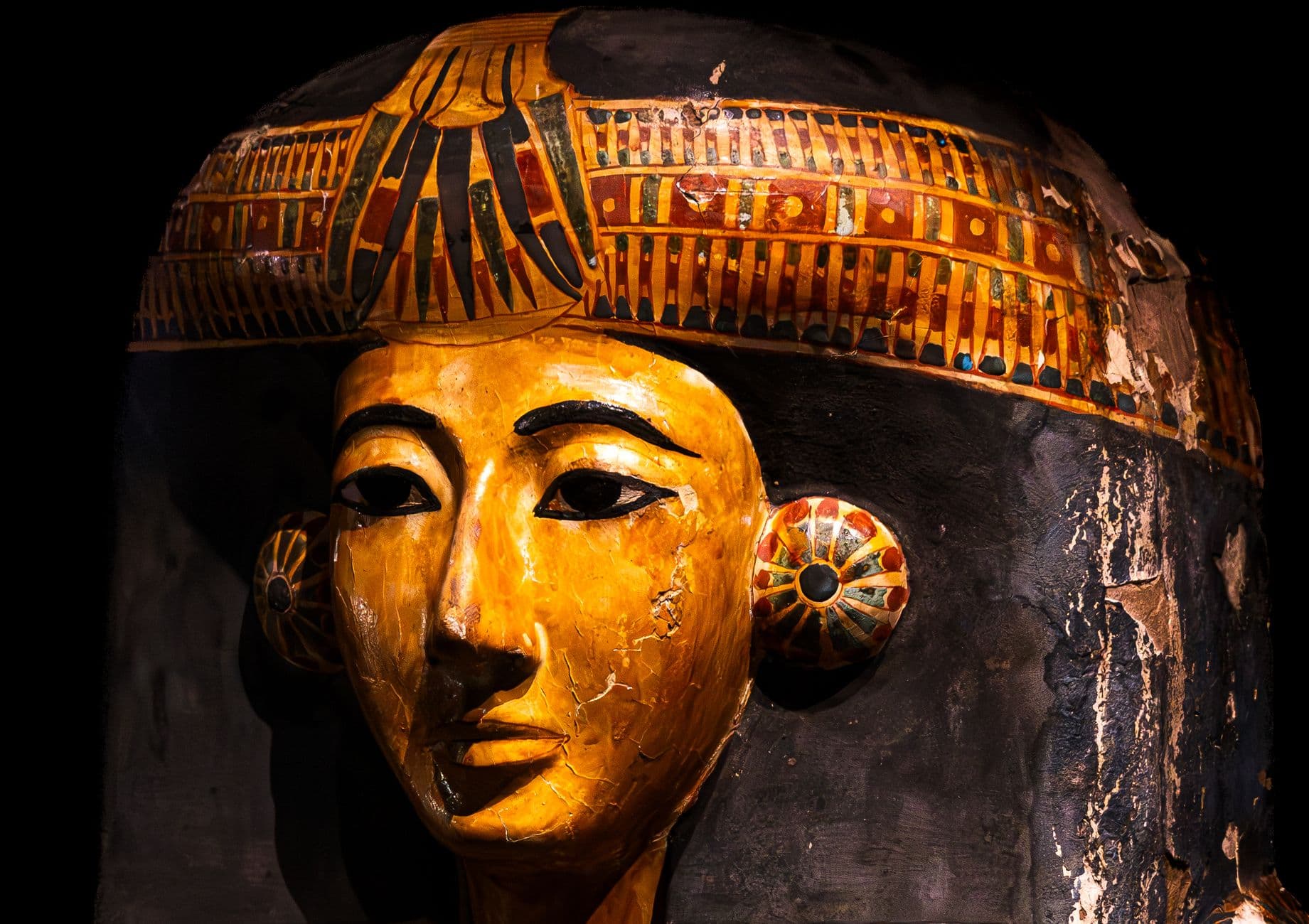
Homer's Iliad Fragment Found Preserved Inside a 1,600-Year-Old Egyptian Mummy
A scrap of Homer's Iliad was just discovered tucked inside the wrappings of a mummy that's been lying in a tomb for sixteen centuries. This isn't a metaphor. Archaeologists literally unwrapped one of the ancient world's most famous literary works from the bandages of the dead.
The find reshapes what we know about how texts survived antiquity. It also reminds us that some of history's greatest treasures hide in plain sight, sealed away in the very places we've been studying for generations.
When Ancient Literature Becomes Mummy Wrappings
Egyptian mummies weren't just bodies wrapped in linen. The wrappings themselves were often made from recycled papyrus, old documents, and discarded texts. Families would use whatever material was available, which meant that broken pottery, grocery lists, tax records, and sometimes literature ended up bound around the deceased.
This particular mummy, according to ScienceDaily, contained verses from Homer's Iliad preserved in the wrapping layers. The papyrus fragment dates to around 1,600 years ago, making it an extraordinary window into what texts were still being copied and read during the late Roman period in Egypt.
The Iliad itself was composed roughly 2,800 years before this mummy was prepared. That means this fragment represents nearly a thousand-year gap in the transmission of Homer's work from its original composition to its discovery in ancient wrappings.
Why This Discovery Matters for Ancient Greek Literature
We don't have the original manuscripts of Homer. Everything we read today comes from copies made centuries or even millennia after the poet died. Each fragment that surfaces helps us verify which versions are most authentic and which variations crept in over time.
This particular find gives scholars another data point about how the Iliad circulated in Egypt during late antiquity. It shows that Greek literature remained valued even as the Roman Empire declined and Christianity spread through the Mediterranean world.
Papyrus fragments like this one are invaluable. They're direct evidence of what people were actually reading, copying, and preserving during specific periods. Unlike later medieval manuscripts, these ancient texts come with built-in dates based on archaeological context.
The Archaeology of Recycled Wrappings and Lost Texts
Egyptian mummy cartonnage and wrappings have yielded some of the most important literary discoveries in modern archaeology. The dry climate of Egypt preserved papyrus in ways that would have been impossible anywhere else in the ancient world.
Scholars studying mummies have recovered tax documents, business letters, medical texts, religious writings, and classical literature. Each piece tells a story about daily life, commerce, and intellectual culture. The Iliad fragment is just one example of how the mundane practice of wrapping the dead accidentally created an archive of ancient texts.
As excavation techniques improve and non-invasive imaging technologies like multispectral analysis advance, more texts hidden within mummy wrappings are being revealed without destroying the artifacts themselves.
What Happens Next
The fragment will now undergo detailed analysis. Scholars will compare it to other known copies of the Iliad to identify which book it comes from and whether it contains any unique variations. Conservation specialists will work to stabilize the papyrus and photograph it at high resolution for study.
This discovery is part of a larger effort to understand the transmission of classical texts through the ancient world. Homer's works were among the most widely copied texts in antiquity, and evidence of their circulation across the Mediterranean helps us trace intellectual networks and cultural values across centuries.
The Iliad survived through countless hands, countless copies, and countless risks. Finding it wrapped around a mummy sixteen hundred years after it was written is a reminder that some stories refuse to stay buried.
Want to explore more discoveries that reshape our understanding of the ancient world? Check out our archaeology blog for the latest findings, or browse our full archive of ancient history articles to dive deeper into how scholars piece together the past.