Hornwort RbcS-STAR Protein Could Transform Wheat and Rice Yields Forever
A tiny aquatic plant called hornwort might just hold the secret to feeding billions more people on Earth. Scientists have discovered that hornwort plants contain a special protein called RbcS-STAR that dramatically improves how efficiently plants convert sunlight into energy, and early research suggests this protein could be engineered into major crops like wheat and rice to boost their yields significantly.
This finding emerged from recent research covered by ScienceDaily, and it's capturing the attention of agricultural scientists worldwide because of what it could mean for global food security.
What Makes Hornwort's Photosynthesis So Different
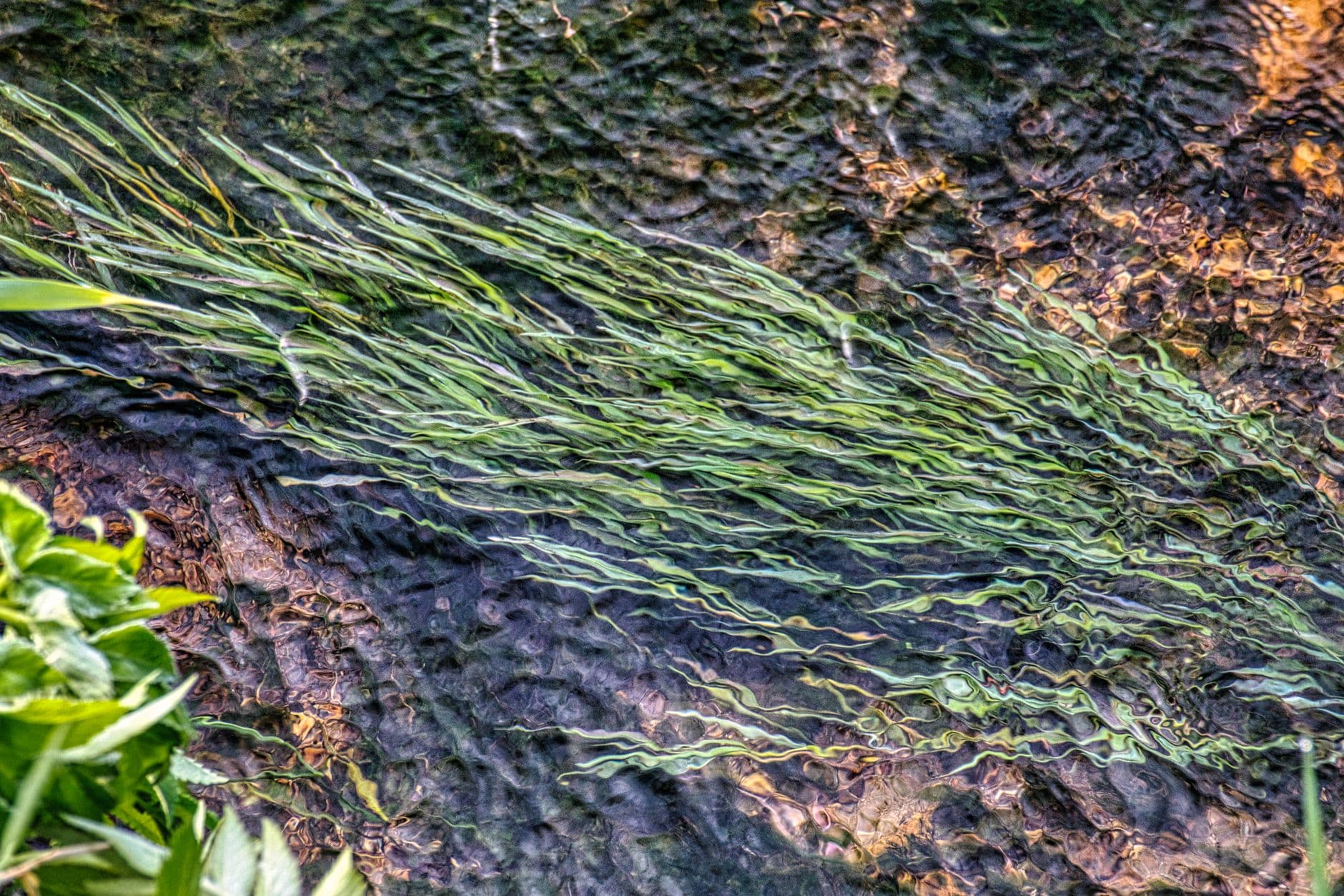
Hornwort is a humble aquatic plant you might find in freshwater lakes and ponds. It doesn't look like much, but under the microscope, its cells are doing something remarkable with photosynthesis that wheat and rice simply cannot match.
The RbcS-STAR protein works within the photosynthetic machinery to optimize how plants capture and use light energy. While common crops have been operating at roughly the same efficiency level for thousands of years, hornwort has evolved a more streamlined system. Think of it as the difference between an old engine and a modern one running the same fuel.
Plants use photosynthesis to turn sunlight, water, and carbon dioxide into sugar and oxygen. It's the process that powers almost all life on Earth. Yet most crops waste enormous amounts of potential energy during this process. The RbcS-STAR protein appears to reduce that waste.
Engineering Better Wheat and Rice Crops Through Photosynthesis Improvement
The real excitement begins when scientists ask the next question, can we take this protein and transfer it to our major food crops? If hornwort's efficiency gains could be replicated in wheat and rice, the agricultural implications would be staggering.
Wheat and rice feed more than half the world's population. Even modest improvements in their photosynthetic efficiency would translate into more grain per acre, lower water requirements, and crops that handle environmental stress better. Researchers believe that engineering the RbcS-STAR protein into these staple crops could increase yields by meaningful percentages without requiring new farmland or additional inputs.
The challenge, of course, is that genetic engineering in major food crops is complex. Scientists must isolate the genes responsible for producing RbcS-STAR, understand exactly how they function in hornwort's cells, and then carefully introduce them into wheat and rice breeding programs. It takes years of testing to ensure the modifications work as intended and don't create unexpected problems.
Several agricultural research institutions are already moving forward with this work, testing whether RbcS-STAR can be successfully expressed in crop plants at meaningful levels.
The Bigger Picture for Global Food Security
Climate change is putting pressure on crop yields worldwide. Droughts, floods, and shifting growing seasons mean farmers need plants that can do more with less. A more efficient photosynthetic system could help crops tolerate stress better while producing more food.
The hornwort discovery also reminds us why biodiversity matters. This breakthrough came from studying a humble plant that most people have never heard of. If we destroy natural ecosystems and plant species, we lose the chance to discover solutions hidden in nature's own innovations.
For more on how plants adapt and evolve, explore our plants and trees category or check out our daily feed for the latest discoveries in plant science. You can also visit Britannica's overview of photosynthesis for deeper context on how this process works.
The path from hornwort to your dinner table will take time, probably a decade or more. But if the RbcS-STAR protein delivers on its promise, it could represent one of the most significant advances in agricultural productivity this century. That's why scientists are working hard to turn this natural advantage into a tool for feeding the world.
Want to stay updated on breakthroughs in agricultural science and plant biology? Visit our blog regularly for the latest discoveries that could reshape how we grow our food.