Aging is one of the most universal processes in biology. Every organism on Earth experiences gradual decline over time as cells lose efficiency, tissues weaken, and the body becomes more vulnerable to disease. From tiny insects to large mammals, the passage of time slowly affects nearly every living creature. Humans are especially aware of this process because aging shapes health, lifespan, and quality of life.
Yet in the depths of the ocean there exists an animal that challenges the typical understanding of aging. Lobsters have fascinated scientists for decades because they appear to resist many of the biological processes that cause aging in most species. Instead of showing clear signs of deterioration as the years pass, lobsters maintain many of their cellular functions throughout their lives.
This unusual trait has led researchers to describe lobsters as animals that do not biologically age in the same way most organisms do. They are not truly immortal, but their biology gives them a remarkable ability to continue growing and repairing their bodies for much longer than expected. Understanding how lobsters achieve this has become an important topic in marine biology and aging research.
The story of lobster longevity reveals how evolution can produce unexpected solutions to survival and raises fascinating questions about the limits of life itself.
The Unusual Biology of Lobsters
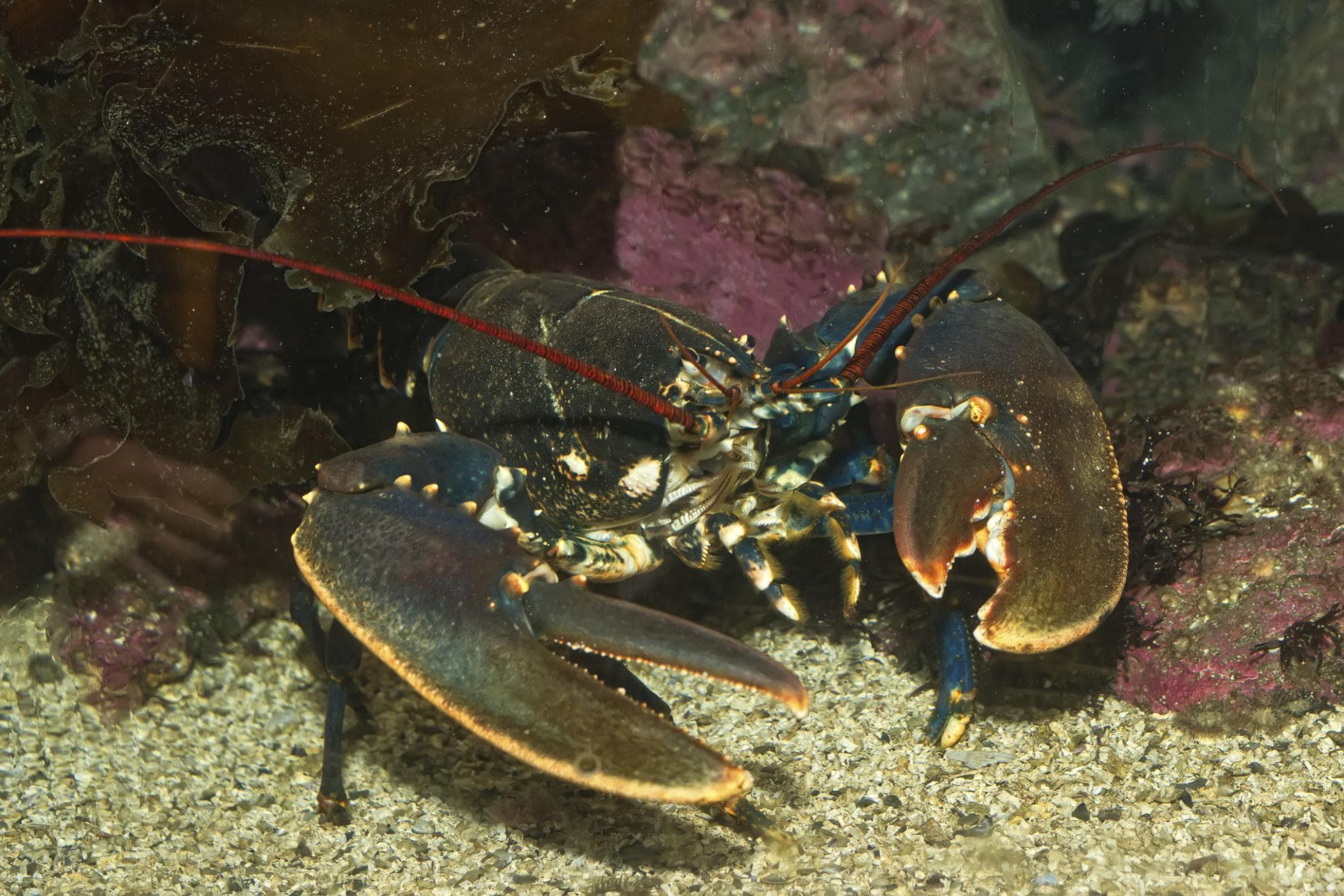
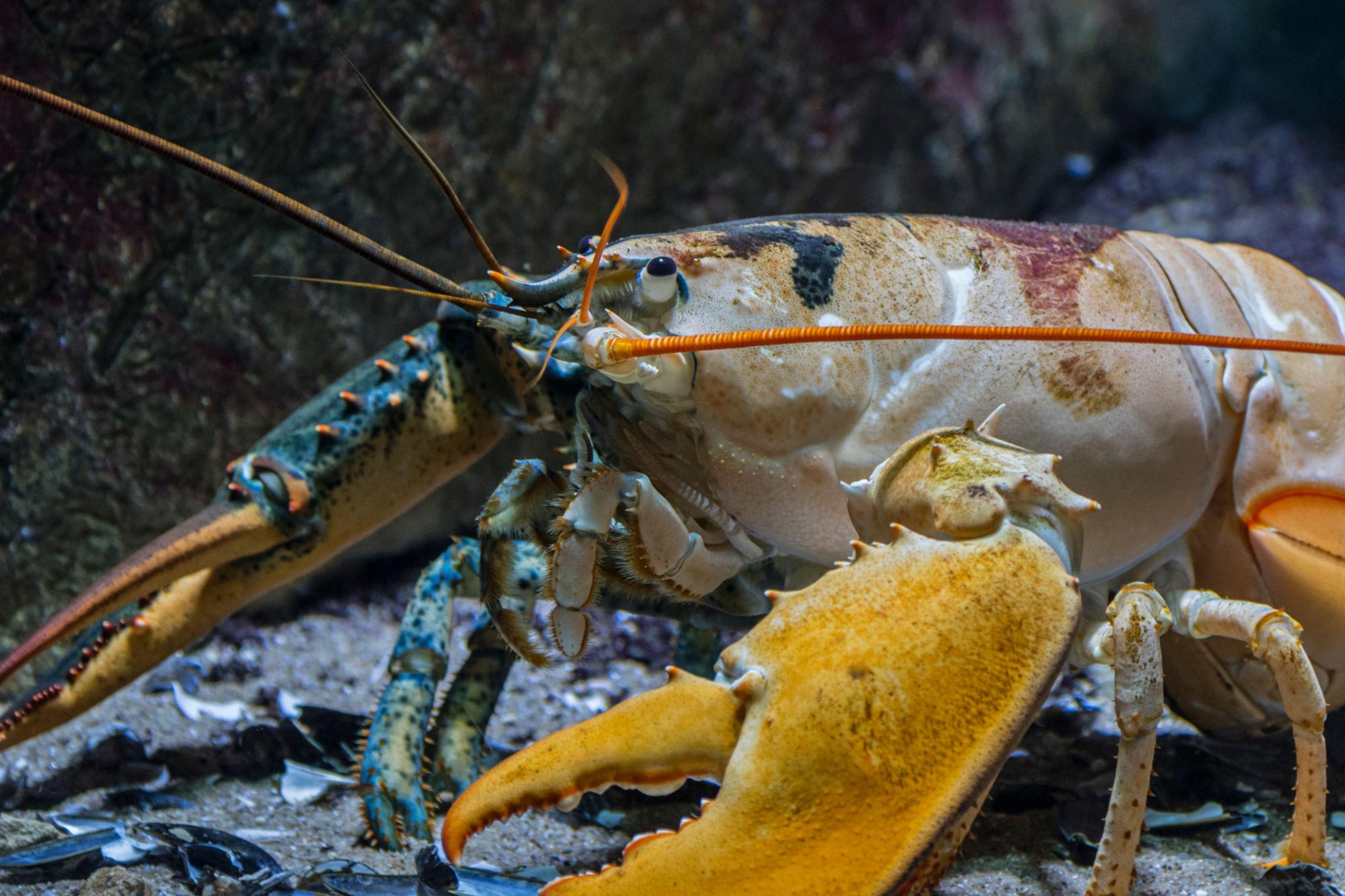
Lobsters belong to a group of marine crustaceans that include crabs and shrimp. The most well-known species are found in the cold waters of the Atlantic Ocean, where they live along rocky seabed and coastal environments. Their thick shells, powerful claws, and long antennae make them one of the most recognizable animals in marine ecosystems.
Unlike mammals or birds, lobsters grow throughout their entire lives. Their bodies are enclosed in a rigid external shell known as an exoskeleton. Because this shell cannot expand, lobsters must periodically shed it into a process called molting. While molting the animal breaks out of its old shell and forms a new larger one.
This process allows lobsters to increase in size repeatedly over the course of their lives. Young lobsters molt frequently as they grow quickly, sometimes several times in a single year. As they become older and larger the molting process slows down, but it continues even in very old individuals.
Molting is not only important for growth. It also plays a role in maintaining the lobster body in good condition. When the old shell is discarded, damaged tissue can be repaired and sometimes even regenerated. Lost claws or injured limbs may gradually return over several molting cycles.
Because of this continual renewal, lobsters can maintain strong body structures for longer than many other animals.
 The Secret of Cellular Longevity
One of the most intriguing discoveries about lobsters involves an enzyme called telomerase. In most animals this enzyme is active mainly during early development and becomes less active as the age of the organism. Telomerase helps protect structures called telomeres, which are protective caps located at the ends of chromosomes.
Each time a cell divides, telomeres slowly shorten. Over time this shortening contributes to aging because cells eventually lose the ability to divide and repair tissues efficiently.
In humans and many other animals telomerase activity decreases with age. As a result, telomeres become shorter and cellular aging gradually accelerates.
Lobsters appear to be very different. Studies have shown that they maintain relatively high levels of telomerase activity throughout much of their lives. This allows their cells to continue dividing and repairing tissue for extended periods.
Because their cells retain this capacity for renewal, lobsters do not experience the same gradual cellular decline that affects most organisms. Their tissues remain functional and capable of growth for many years.
This biological feature has made lobsters a fascinating subject for scientists studying aging and cellular repair.
Growth Without a Fixed Limit
Another remarkable characteristic of lobsters is their ability to keep growing as they age. Many animals reach a fixed adult size and then stop growing entirely. Lobsters follow a different pattern known as indeterminate growth.
With each molting cycle the lobster becomes slightly larger than before. Over decades this process can produce very large individuals. Some lobsters have been estimated to live for many decades and reach impressive sizes.
Marine biologists have occasionally discovered lobsters that weigh several kilograms and appear to be extremely old. Because their shells do not show typical signs of deterioration, it can be difficult to determine their exact age.
The possibility that some lobsters may live for fifty years or more has fueled the idea that these animals resist the normal biological limits of aging.
However, this continued growth also comes with challenges.
The Risks of Molting
Although molting allows lobsters to renew their bodies, the process itself is dangerous. When a lobster sheds its shell, it becomes temporarily soft and vulnerable. During this time predators such as fish or octopuses may attack the defenseless animal.
Molting also requires a significant amount of energy. The lobster must produce an entirely new shell and expand its body before the shell hardens. For very large lobsters this process becomes increasingly demanding.
As lobsters grow older the energy required for molting increases. Eventually the animal may struggle to complete the process successfully. In some cases, a lobster may die while molting simply because the physical demands are too great.
This means that while lobsters show remarkable resistance to biological aging, they are not immune to the physical challenges of life.
Longevity in the Ocean
Despite these risks lobsters often live far longer than many other marine creatures of similar size. Their long lifespans may be partly related to the cold ocean environments they inhabit.
Cold water slows metabolic processes and can reduce cellular damage over time. This may contribute to the extended longevity observed in many deep sea or cold-water species.
Lobsters also possess strong defensive features. Their thick shells and powerful claws help protect them from predators once the shell has hardened after molting. As they grow larger, fewer animals can attack them successfully.
These factors together allow lobsters to survive for many years while continuing to grow and reproduce.
Why Lobsters Still Die
The idea that lobsters do not biologically age sometimes leads to the misconception that they are immortal. Lobsters do eventually die, but usually not because of the gradual cellular decline seen in most animals.
Instead, their deaths are often caused by external factors such as disease, predation, injury, or failure during molting. Environmental changes and human fishing activities also play a major role in limiting their lifespans.
Because lobsters remain capable of growth and cellular repair for so long, scientists describe them as animals that show negligible senescence. This term refers to organisms that exhibit very little decline in physical function with age.
While this does not mean eternal life, it does mean that lobsters age in a very different way compared with most species.
What Lobsters Teach Scientists
The unusual biology of lobsters has attracted attention from researchers interested in the science of aging. Understanding how these animals maintain telomerase activity and continue repairing their tissues could provide valuable insights into cellular longevity.
Scientists are particularly interested in how lobster cells avoid the damage and decline that typically occur in aging organisms. By studying these processes, researchers hope to better understand how aging works at the molecular level.
Although the biology of lobsters cannot simply be applied to humans, the mechanisms that support their longevity may reveal important clues about how cells protect themselves over time.
Research into telomeres, cellular repair, and longevity continues to expand, and organisms like lobsters provide important natural models for these studies.
Lobsters are one of the most fascinating examples of unusual longevity in the natural world. Their ability to maintain active telomerase, continually repair tissues, and grow throughout their lives allows them to resist many of the biological processes that cause aging in most species.
Rather than experiencing steady decline with age, lobsters maintain strong cellular function for decades. Their bodies continue to regenerate through repeated molting cycles, and their cells retain the ability to divide and repair damage.
However, lobsters are not truly immortal. The physical demands of molting, environmental pressures, disease, and predators eventually limit their lifespans. Even so, their remarkable biology places them among the most intriguing long-lived animals in the ocean.
By studying creatures like lobsters, scientists gain valuable insight into how life can evolve strategies that challenge conventional ideas about aging. These discoveries remind us that the natural world still holds many secrets about the limits of life and the possibilities of biological resilience.