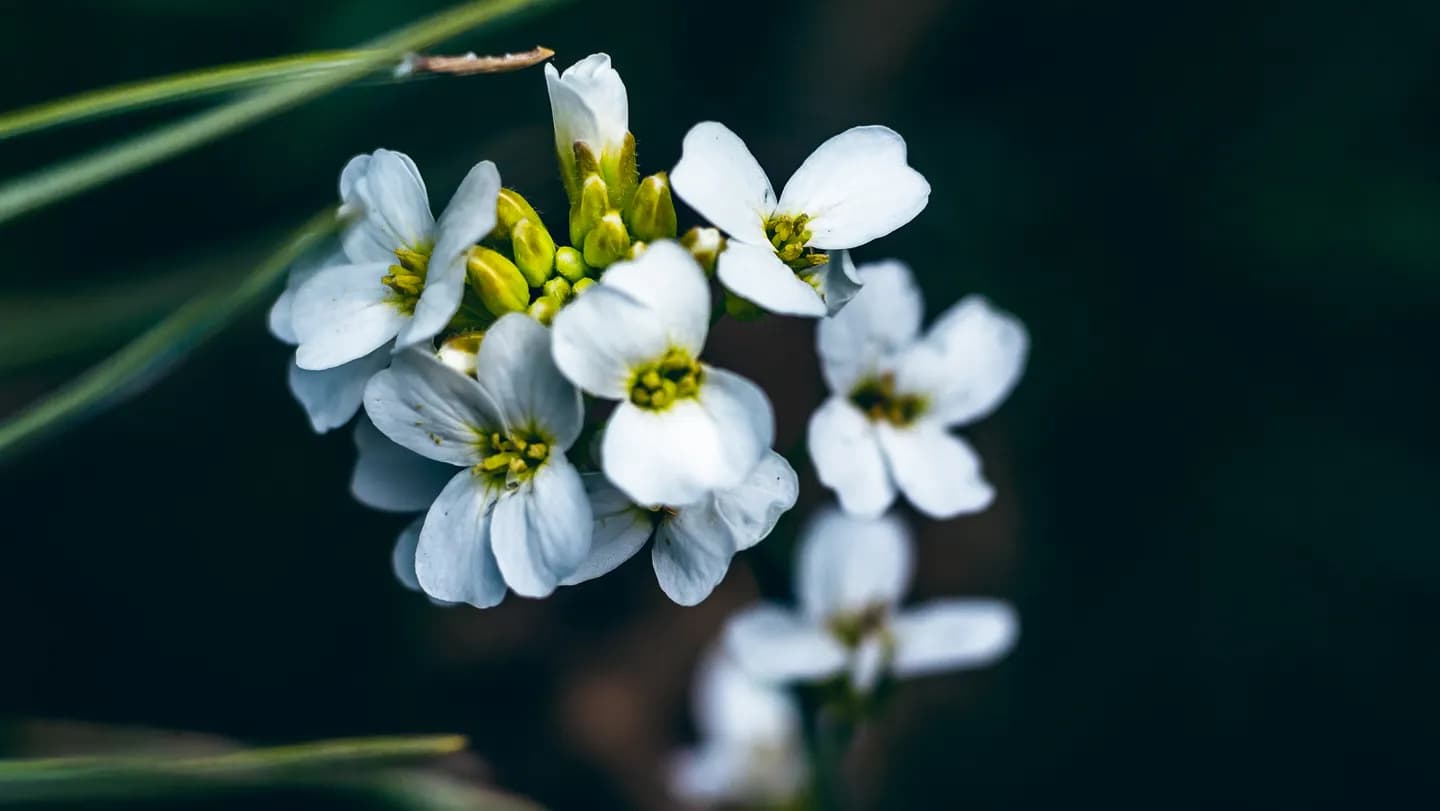
Mittler and his colleagues grew thale cress (Arabidopsis thaliana) over several weeks, some in solitude and some in dense groups where the plants could touch one another’s leaves. When exposed to excess light, individual plants showed more signs of stress and damage than those in groups, the scientists report December 12 at biorXiv.org. “They seem to be more primed to deal with the stress if they touch each other,” Mittler says.
Plants communicate underground through their roots, via microbes or by forming networks with fungi. Research also suggests that aboveground communication may happen through several channels, including airborne chemicals that alert other plants to herbivore attacks or sounds that communicate stress. Plants can also pass electrical signals to each other through their leaves, forming a network connected by touch, though the effects of this on their health had previously been unknown.
Mittler and his team ran a series of experiments on wild thale cress plants grown from seedlings in a lab. They analyzed changes in gene expression in isolated plants and those whose leaves touched another’s, monitored signals passed between them and measured resilience to stress by shining a strong light on the plants. By using genetically altered plants unable to transfer certain chemical signals, the scientists teased apart which signals were responsible for any stress acclimatization