Prescribed Burns Save Giant Sequoias: How Controlled Fire Reduces Mortality by 75%
Fire kills giant sequoias, yet fire also saves them. This paradox sits at the heart of one of California's most urgent conservation battles, and recent data proves controlled burns work in ways that seemed impossible just years ago.
Between 2020 and 2021, when catastrophic wildfires tore through California, approximately 1,900 giant sequoias were spared from destruction in areas where prescribed burns had been conducted. The mortality rate for these ancient trees dropped by 75 percent compared to groves that had never received controlled fire treatment. This isn't theory anymore. It's measurable, verifiable protection for some of Earth's most remarkable living things.
What Prescribed Burns Actually Do
A prescribed burn is a deliberate, planned fire set under careful conditions by trained professionals. It's nothing like the chaotic wall of flame that roars through a drought-stricken forest in summer. Managers light these fires during cooler months when conditions allow them to control intensity and spread.
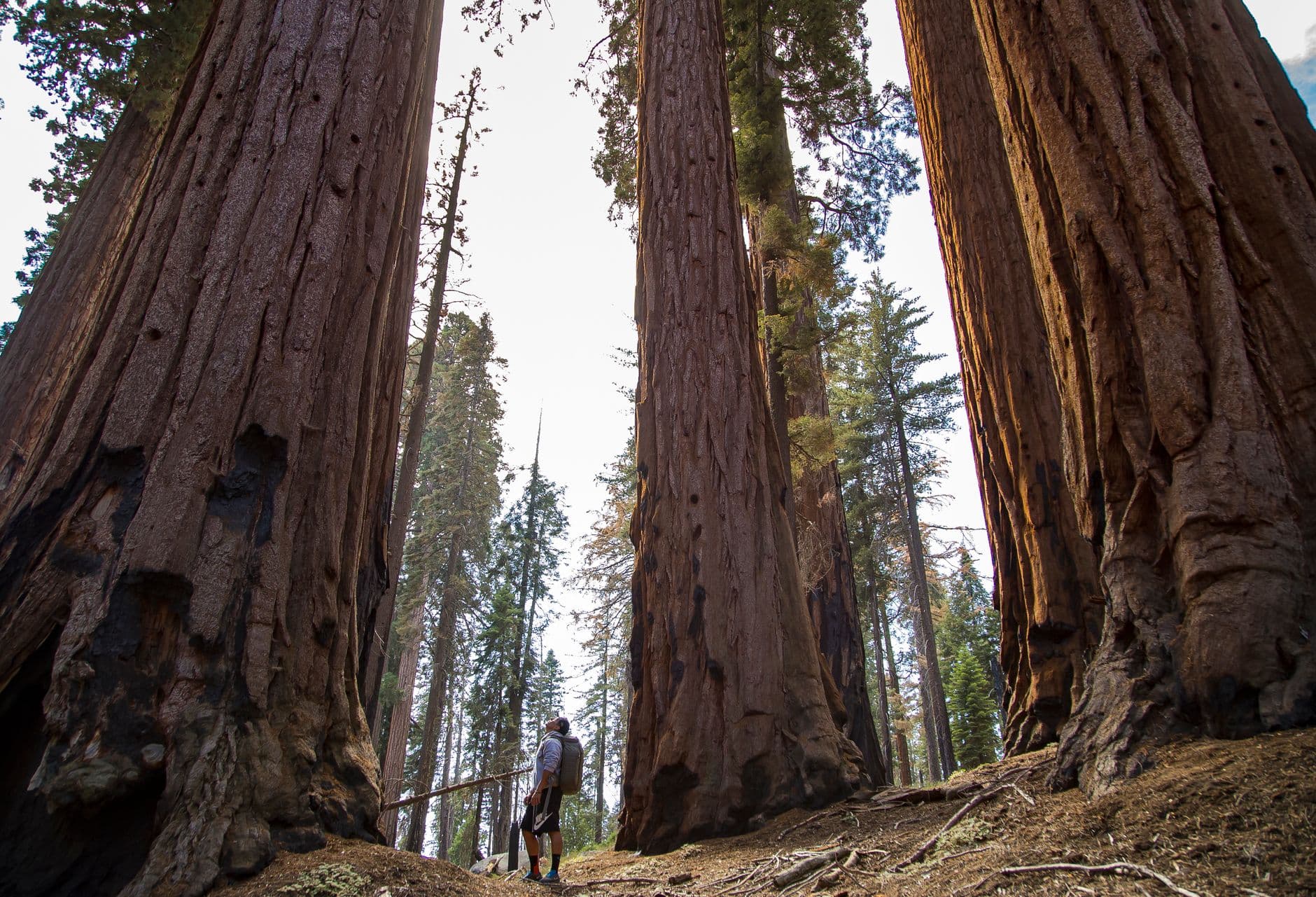
Giant sequoias evolved with fire over millions of years. Their bark contains almost no flammable resin, unlike other conifers. Their wood is fibrous and resists burning from the inside out. What they cannot handle is the intense, superheated wildfire that builds when decades of dead wood and fallen branches pile up on the forest floor.
A prescribed burn clears that buildup. It removes the fuel that turns a manageable fire into an inferno. Without that tinder, when a wildfire eventually arrives, it moves faster through the canopy and doesn't linger long enough to cook a sequoia's trunk from the outside in.
The 2020-2021 Wildfire Season: Proof in Practice
The Castle Fire of 2020 and the KNP Complex Fire of 2021 were brutal tests. These weren't small blazes. They consumed tens of thousands of acres and threatened some of the most iconic groves of giant sequoias on Earth.
In areas where prescribed burns had been done years earlier, the results were stark. Sequoia survival rates climbed dramatically. In untreated areas, the same fires destroyed countless trees that had stood for over 3,000 years. The difference wasn't luck. It was preparation.
Scientists measured the outcomes carefully. The 75 percent reduction in mortality wasn't an estimate or a hopeful projection. It was what actually happened when fire-adapted forests faced real fire.
Why Giant Sequoia Fire Protection Matters Now
Giant sequoias aren't just old trees. They're living archives. A single sequoia can contain 2,000 years of climate data in its rings. They store more carbon per acre than any other forest type on Earth. Losing them to preventable wildfire is losing irreplaceable natural history and climate resilience in one stroke.
Climate change has made California's fire season longer and hotter. Sequoia groves face threats they've never encountered before. Without human intervention through prescribed burns, these ancient survivors may not survive the next century.
The science is clear. Regular prescribed burns, done on a landscape scale across multiple years, create a buffer against catastrophic wildfire. It's not a perfect solution, but it's the most effective tool we have right now.
The Challenge of Scaling Up Prescribed Burns
The data from the 2020-2021 fires should have sparked an immediate, massive expansion of prescribed burning programs across California. Instead, progress has been slow. Air quality concerns, liability issues, and funding limitations have all created friction.
Some prescribed burns escape their intended boundaries. Smoke from controlled burns affects air quality, even when the burns are necessary. Public perception lags behind the science. Many people still see any fire in a forest as a failure rather than a management tool.
Yet the alternative, visible now across California's charred mountainsides, is far worse. The question isn't whether prescribed burns are worth doing. The question is how fast we can do them, across enough territory, to actually change the outcome for forests and the communities that depend on them.
For giant sequoias specifically, the path forward is clear. More prescribed burns now mean more ancient trees standing in 50 years. The math is that simple, and the stakes could not be higher.
Want to understand more about forest conservation and climate resilience? Explore our full coverage of environmental science or browse our nature and conservation topics.