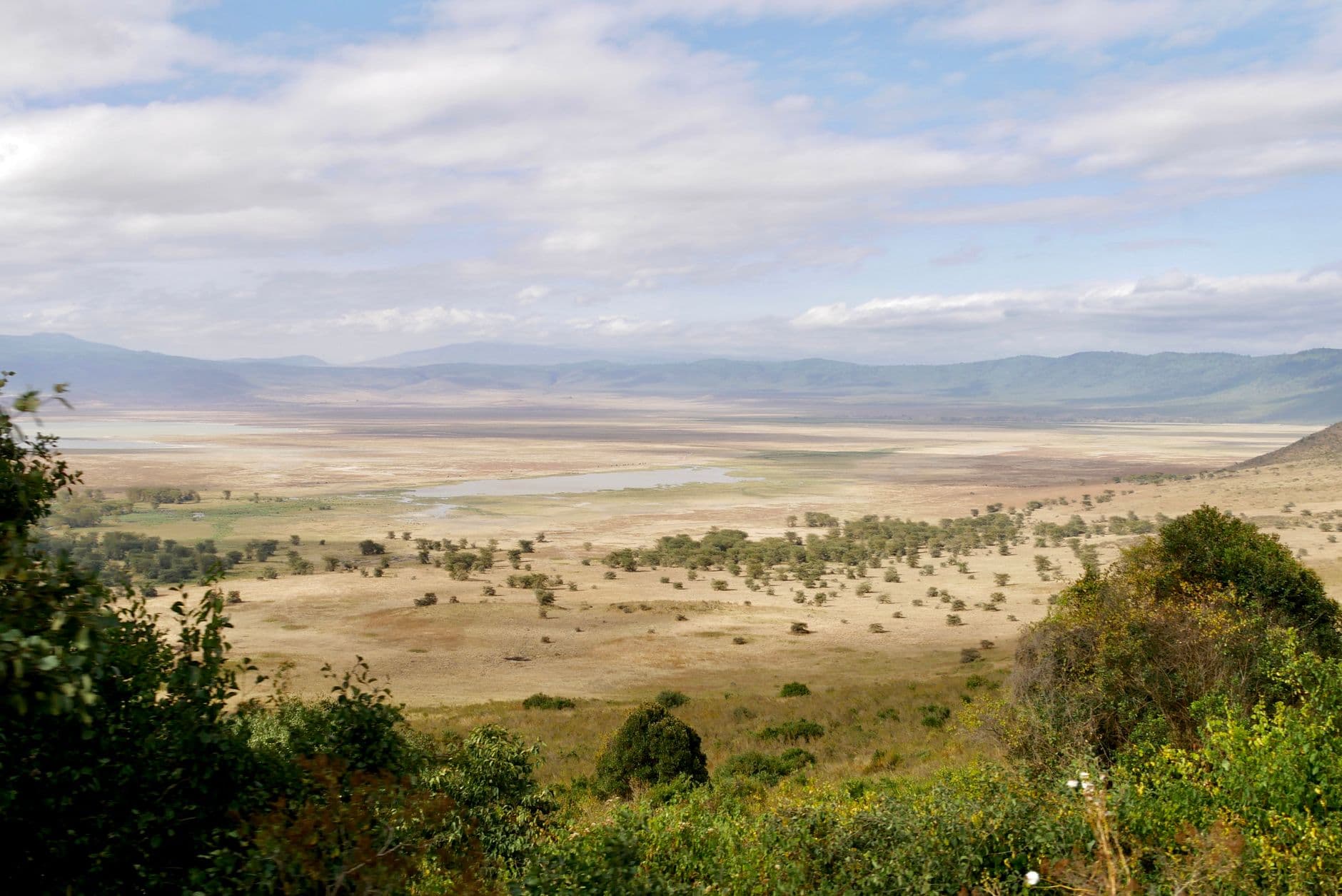
The Turkana Rift's Critical Continental Breakup Stage is Reshaping Africa's Geology
Africa is literally tearing itself apart, and the Turkana Rift in Kenya and Ethiopia has just entered the final stage of continental breakup. This isn't happening over millions of years anymore. The geological forces at work are active right now, visible to anyone willing to look at the ground beneath their feet.
Recent research presented by ScienceDaily shows that the Turkana Rift has progressed beyond the early rifting phase. The crust is weakening in measurable ways, creating the conditions for a complete continental separation that could eventually birth a new ocean basin.
Understanding the East African Rift System
The Turkana Rift is part of the larger East African Rift System, a massive geological feature that stretches from the Red Sea down through East Africa. This isn't some distant scientific abstraction. The rift cuts directly through inhabited regions where millions of people live and work.
The system emerged roughly 30 million years ago as tectonic plates began pulling apart. What started as minor stress in the crust has evolved into a dramatic restructuring of the African continent itself. The Turkana Rift represents the most advanced stage of this breakup process.
Think of continental rifting like a crack spreading through dried mud. Once the fracture reaches a certain critical point, separation becomes inevitable. Scientists now believe the Turkana Rift has reached that threshold.
What Continental Breakup Means for Kenya and Ethiopia
When continents split apart, entire landscapes transform. New valleys deepen. Mountain ranges rise. Water patterns shift. The Turkana Rift has already created dramatic topography, but the process is accelerating.
The rift valley in this region extends roughly 600 kilometers through some of East Africa's most significant geological territory. Communities living along the rift experience regular earthquakes as the crust adjusts to these immense forces. These aren't random tremors, they're evidence of active continental separation happening in real time.
Groundwater availability, mineral deposits, and even climate patterns in the region are all influenced by the ongoing rifting. The geological changes have profound practical consequences for the people who inhabit these lands.
The Science Behind Continental Rifting in Kenya and Ethiopia
Continental rifting occurs when mantle plumes, massive upwellings of hot rock from deep within Earth, push against tectonic plates. The Turkana Rift sits at a triple junction where three tectonic plates meet and strain against one another.
As these plates move apart, the crust thins and weakens. Eventually, new oceanic crust forms in the gap as mantle material wells up from below. This process has already occurred in the Red Sea and the Gulf of Aden. The Turkana Rift is now following the same path.
Scientists measure the rate of separation using GPS and seismic monitoring. The data confirms that the rift is widening at measurable rates. Some sections spread apart by several millimeters each year, a pace that might seem slow until you consider geological timescales.
Timeline for Continental Separation
The timeline for complete continental breakup extends far into the future, likely tens of millions of years. That doesn't make the current stage any less critical or scientifically significant. We're witnessing a continental-scale geological process in its middle chapters.
The Turkana Rift's progression from early rifting to critical breakup stage provides geologists with an unprecedented natural laboratory. Understanding how continents split helps scientists comprehend plate tectonics, volcanic activity, and even resource formation in rift zones.
For researchers studying Earth's dynamic geology, the Turkana Rift offers lessons applicable to understanding similar processes elsewhere on the planet. The mechanisms driving continental separation here operate universally across tectonic systems.
Why This Matters Beyond Geology
Continental rifting isn't just an academic curiosity. It influences economic development, infrastructure planning, and resource management in the affected regions. Understanding the ongoing process helps communities prepare for earthquakes and plan settlements accordingly.
The Turkana Rift also plays a role in how scientists understand Earth's interior, mantle dynamics, and the fundamental processes that shape our planet's surface. Knowledge gained here informs our understanding of geological hazards worldwide.
For anyone interested in how our planet actually works, the Turkana Rift represents something genuinely extraordinary. You can stand at the edge of a continent and watch it split apart. That's not hyperbole, it's geology in action.
Want to explore more about Earth's dynamic geological systems? Check out our categories section for deeper dives into tectonic processes, or visit our daily feed for ongoing updates on geological discoveries. Britannica's overview of rift valleys and National Geographic's reporting on the East African Rift provide excellent complementary resources.