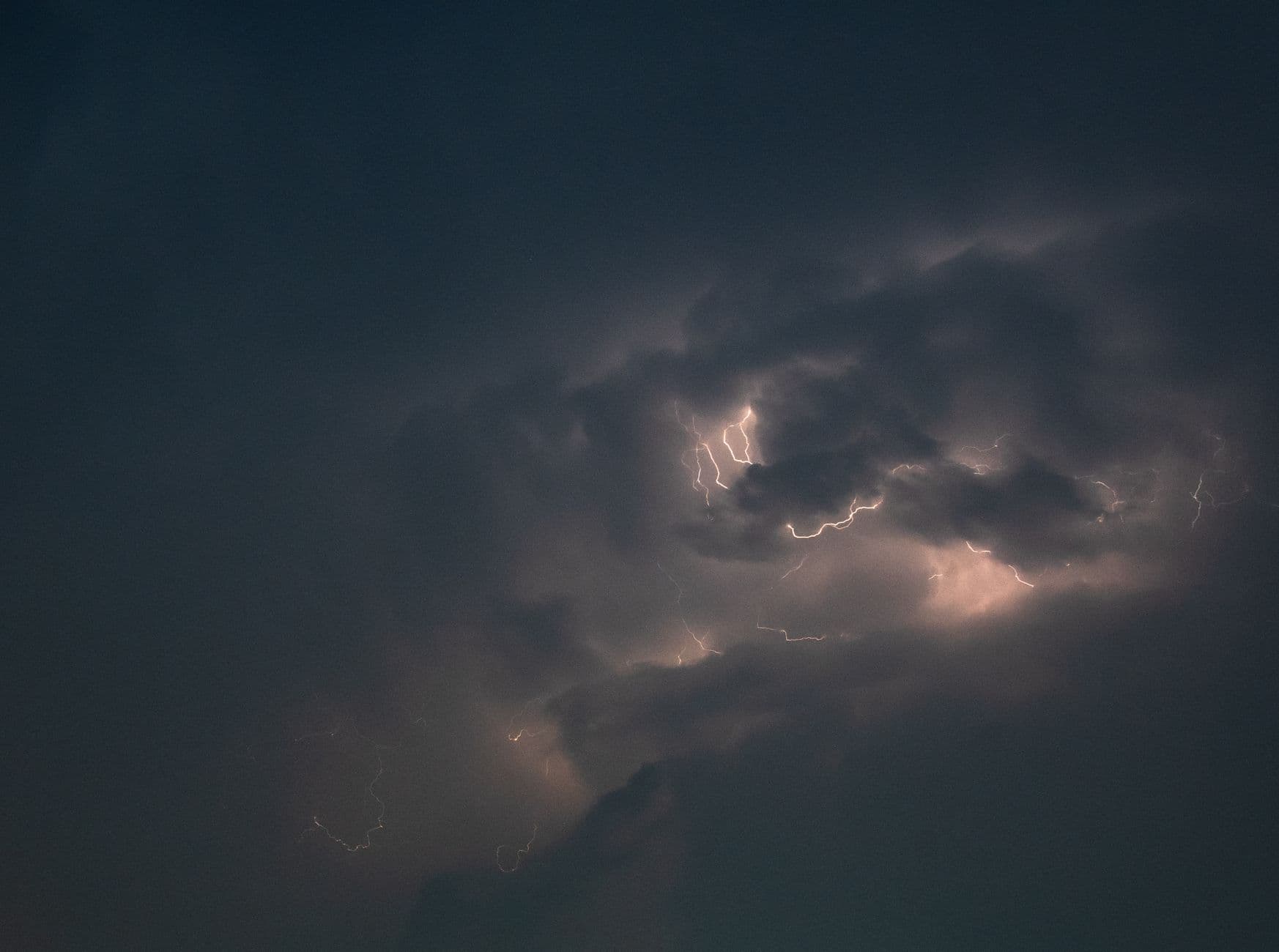
Derechos: Nature's Most Violent Windstorms Explained
A derecho can destroy an entire city in under 30 minutes. Most people have never heard of this extreme weather phenomenon, yet it ranks among nature's most catastrophic and least understood violent storms.
The term "derecho" comes from Spanish, meaning "straight ahead." Unlike tornadoes that spin, derechos attack with straight-line winds that can exceed 130 miles per hour. They're essentially nature's version of a freight train with no mercy.
What Exactly Is a Derecho?
A derecho is a long-lived, fast-moving band of severe thunderstorms with powerful straight-line winds. Think of it as a wall of destruction that races across the landscape, leaving a trail of snapped trees and demolished buildings in its wake.
These storms typically form from a cluster of thunderstorms called a mesoscale convective system. When conditions align perfectly, they can organize into something far more dangerous than ordinary thunderstorms.
The key difference from regular severe weather is speed and organization. While typical thunderstorms might last minutes, derechos maintain their intensity for hours while traveling hundreds of miles.
How Derecho Formation Creates Nature's Perfect Storm
Derecho formation requires a specific recipe: warm, moist air near the ground, dry air aloft, and strong wind shear in the upper atmosphere. When these ingredients combine, they create a meteorological monster.
As thunderstorms develop and rain falls, cold air descends and spreads outward at ground level. This creates a powerful outflow boundary—essentially a wall of cold air pushing forward like a bulldozer. The most violent derechos can maintain wind speeds exceeding 100 mph for extended periods.
The 2020 Midwest derecho that hit Iowa provides the perfect example. This single event caused $11 billion in damage and spawned wind gusts near 140 mph. Entire corn fields were flattened as if they'd been steamrolled.
Severe Weather Patterns and Climate Connection
Climate change appears to be creating more favorable conditions for these extreme weather events. Rising temperatures increase atmospheric instability, the fuel that powers violent storms.
Derechos tend to strike in summer and early fall when temperature contrasts between air masses peak. The central United States and Great Plains sit in the crosshairs, though they've been recorded worldwide.
What makes derechos particularly dangerous is their unpredictability. Unlike hurricanes that we track for days, derechos can form and reach full strength in hours. Meteorologists often struggle to issue warnings before the storm arrives.
The Damage These Violent Windstorms Leave Behind
The destruction path of a derecho stretches for hundreds of miles. Forests don't just blow over—they get snapped like toothpicks. Homes lose roofs, power lines topple across entire regions, and the economic damage rivals major hurricanes.
Between 2003 and 2012, derechos caused more damage across the United States than tornadoes. Yet they remain the forgotten cousin of severe weather, overshadowed by tornado season hype.
Power outages from derechos often last weeks. The 2012 Mid-Atlantic derecho left millions without electricity during a brutal heat wave, creating a humanitarian crisis as much as a meteorological one.
Preparing for Derecho Season
Because derecho formation can happen rapidly, preparation focuses on awareness rather than prediction. Having a sturdy shelter, staying informed during severe weather season, and understanding warning signs makes a genuine difference.
If a derecho approaches, move to an interior room on the lowest floor of a sturdy building. Stay away from windows and exterior walls. These storms pass quickly, but those minutes can feel eternal when the wind screams around you.
Monitoring National Weather Service alerts during severe weather season isn't paranoia—it's smart survival. Understanding derecho science helps you recognize dangerous conditions before they arrive.
Want to explore more about extreme weather events and how they shape our planet? Check out our extreme weather category for deeper dives into nature's most powerful phenomena. Browse our daily feed for the latest weather and nature stories, or explore all our categories to discover more fascinating topics.