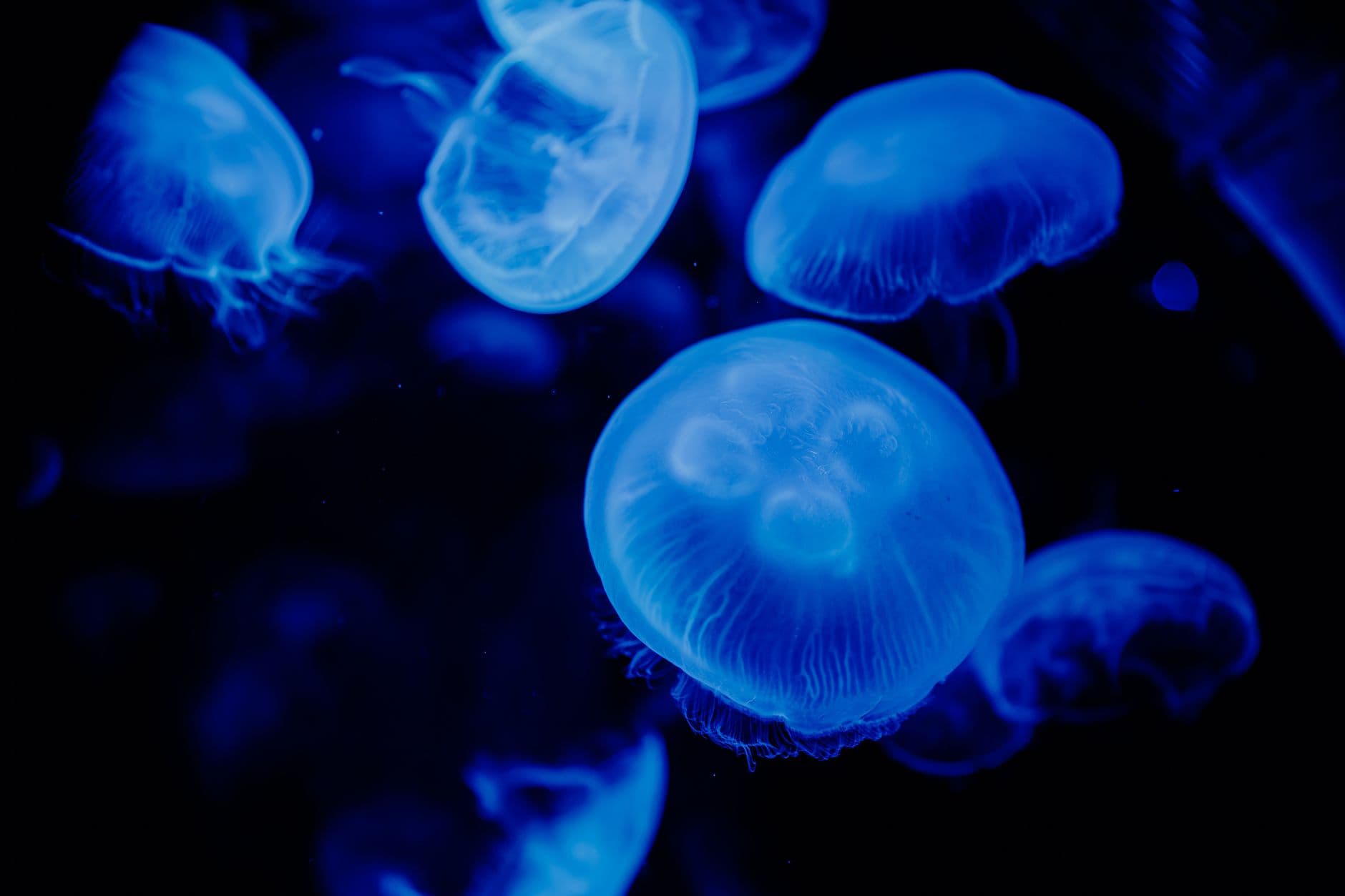
Underwater Bioluminescence: Nature's Glowing Deep Sea Mystery
More light is produced by living creatures underwater than by all the stars in the night sky combined. That's right—the ocean's darkness isn't dark at all when you know where to look.
Bioluminescence isn't science fiction. It's happening right now in the crushing depths where sunlight never reaches, transforming the underwater world into an alien landscape of living light. These creatures have cracked a code that humans are only beginning to understand.
What Exactly Is Underwater Bioluminescence?
Bioluminescence is the chemical production of light by living organisms. Unlike the sun's energy or a light bulb's heat, this light comes from a reaction between a protein called luciferin and an enzyme called luciferase. The result? Pure, cold light that appears to defy the laws of physics.
Think of it as nature's ultimate efficiency hack. These creatures generate light without burning energy as heat, which is why deep sea bioluminescence is considered one of evolution's greatest achievements.
Deep Sea Creatures That Glow: Meet the Performers
The underwater realm hosts thousands of glowing species. Anglerfish dangle bioluminescent lures like fishing rods to trap prey in absolute darkness. Hatchetfish use belly lights to hide their silhouettes from predators below—a trick called counter-illumination.
Jellyfish pulse with otherworldly colors. Dinoflagellates create waves of blue sparkles when disturbed. Vampire squid flash brilliant blue to confuse attackers. Each species has engineered light for survival.
The alarm jellyfish is particularly clever—it creates a bioluminescent burglar alarm, flashing patterns that attract larger predators to attack whatever's trying to eat it. That's psychological warfare in the ocean.
How Deep Sea Light Powers Ocean Communication
Underwater bioluminescence isn't just about hunting and hiding. It's a complete language. Male firefly squid use light flashes to court females in elaborate underwater dances. Some fish create species-specific light patterns like underwater morse code.
The ocean's midnight zone—below 1,000 meters—is where 90% of fish are bioluminescent. This isn't coincidence. In total darkness, light becomes currency. It's communication, deception, seduction, and survival all wrapped into one glowing package.
Scientists studying bioluminescent organisms have discovered that these light patterns vary by species, depth, and even time of year. The ocean has its own light show schedule.
Why Scientists Can't Stop Studying Glowing Marine Life
Medical researchers have already borrowed bioluminescence for human use. The green fluorescent protein (GFP) from jellyfish won a Nobel Prize and revolutionized how we track disease in laboratories. What else is hiding in the ocean's glowing toolkit?
Researchers are now exploring bioluminescent organisms for applications in cancer detection, better lighting technology, and even agricultural innovations. The ocean's creatures have been solving problems for millions of years—we're finally learning to listen.
Yet most of the ocean remains unexplored. We know more about the moon's surface than we do about ocean depths. Imagine what bioluminescent secrets still wait in the abyss.
The Fragile Glow Facing Modern Threats
Ocean pollution, warming temperatures, and overfishing threaten these glowing ecosystems. Light pollution from ships and coastal development disrupts the bioluminescent communication networks that creatures depend on for survival.
The irony cuts deep: we're destroying the creatures that taught us how to make light in the first place. Protecting bioluminescent organisms means protecting one of nature's most stunning innovations.
Every glowing creature in the deep represents millions of years of evolutionary perfection. When they vanish, we lose not just beauty—we lose potential cures, technologies, and understanding we haven't even imagined yet.
Ready to explore more about our planet's hidden wonders? Check out our latest underwater discoveries and join our community of ocean enthusiasts. Visit our blog for more stories about the creatures that make Earth extraordinary.